Police Officers Take Their Pay Dispute to the Streets of Porto Today, a Day Before Talks Resume With the Interior Minister
The PSP's largest union, joined by GNR officers, opens a cycle of protests in seven cities, demanding pre-retirement, better pay and the rest of the 2024 agreement. Careers and working time are on Tuesday's agenda.
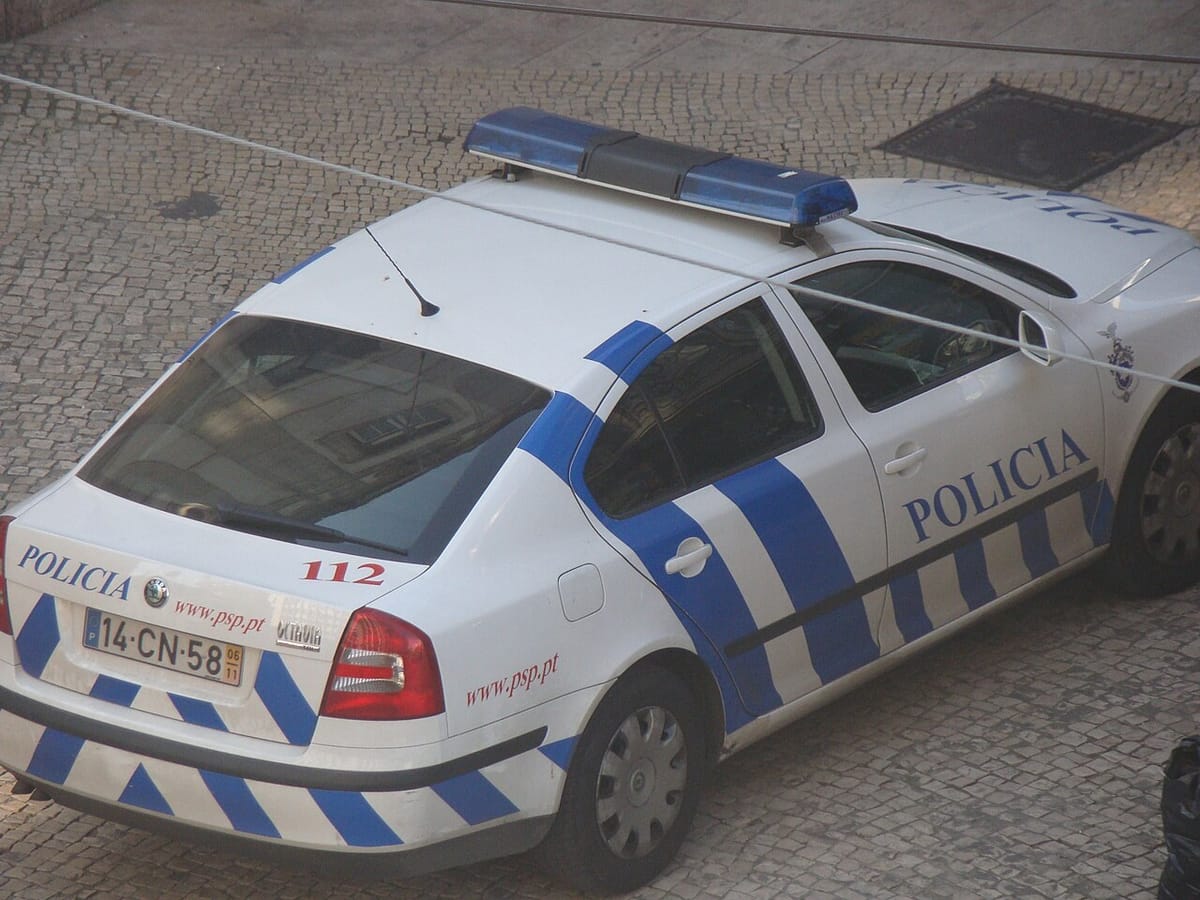
Police officers march in Porto on Monday in the first of a series of street protests over pay, the day before their unions sit down again with the Interior Minister, Luís Neves. The Association of Police Professionals (ASPP/PSP), the largest union in the Public Security Police, is organising the protest, and the Association of Guard Professionals (APG/GNR) is taking part, Lusa reported.
The officers gather outside the PSP's Porto Metropolitan Command and then march to the city hall.
What the police want
The demands, according to the union, are:
- a pre-retirement regime;
- better pay;
- a review of the supplements paid on top of salaries;
- better working conditions;
- full application of the 2024 agreement with the government.
That agreement raised the risk supplement paid to PSP and GNR officers by 300 euros. Both forces say the rest of it, a review of pay scales, careers and the appraisal system, has still not happened.
The ASPP president, Paulo Santos, told Lusa the aim is to "get the demands out there" and to bring mayors and local people into the fight. "This fight is no longer only a professional question, it is also a question of public security," he said.
More cities to come
After Porto, the union plans protests in Leiria, Lisbon, Faro, Funchal, Guimarães and Ponta Delgada, and a "large national demonstration" may follow. When the unions announced the cycle earlier this month, they gave a window of 22 September to 30 October and dates of 1 October in Leiria, 8 October in Lisbon and 14 October in Faro. The Porto protest was first set for 24 September.
Paulo Santos said protests could be called off if there is progress in the negotiations. In September he had been more sceptical. "There is a complete hollowing-out of the PSP on the operational side," he said then, and he accused the government of playing for time: even if new meetings were scheduled, "the protest has to be a reality."
Talks on Tuesday
The Ministry of Internal Administration called the PSP unions and the GNR associations to meetings on 17 and 29 September, insisting the dates were "not a reaction to the protests" but the calendar it had always planned. The 17 September meeting was to close the negotiation of a special supplement for officers on airport border control. Tuesday's meeting is due to cover the restructuring of careers and the organisation of working time, two of the issues the officers are marching about in Porto.
The protests are not a strike. PSP officers are not allowed to strike, which is why their unions take their disputes to the street in demonstrations like Monday's.