Police Arrest Seven Over 4,195 Residence Certificates Allegedly Obtained for Immigrants Through Paid False Witnesses
The PJ says seven people in Loures were paid to vouch for false addresses so parish councils would issue residence certificates used in immigrants' regularisation files. What the law says, and how a genuine certificate is issued.
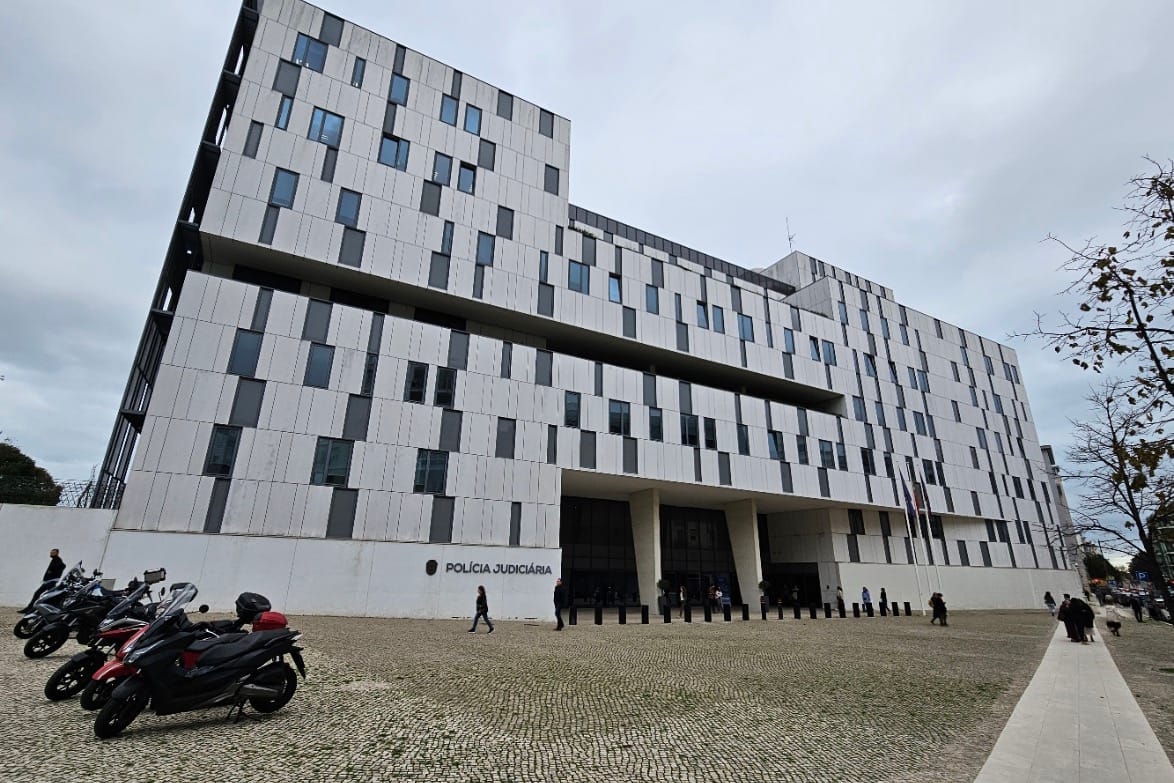
The Polícia Judiciária (PJ, the criminal investigation police) arrested seven people in the municipality of Loures on Tuesday, 17 November. It says they were paid to act as false witnesses so that parish councils would issue residence certificates to foreign nationals. According to the PJ's statement on "Operação Domus", at least 4,195 atestados de residência (residence certificates) were issued between 2024 and June 2026 on the strength of their allegedly false declarations.
The certificates, the PJ says, were meant for files seeking to regularise foreign citizens' stay in Portugal. The suspects allegedly recruited applicants and vouched for addresses where those people did not live. They were paid for each certificate issued. Investigators found cases where the same suspects went to the parish council more than 20 times in a single day.
The case began with a complaint from a junta de freguesia (parish council) that spotted an organised scheme. The PJ does not name the parish. Its counter-terrorism unit carried out seven arrest warrants and 12 home searches. It seized extensive paperwork, two cars (one of them high-powered), firearms, bladed weapons and jewellery. It says the suspects' gains appear "manifestly disproportionate" to their known lawful income.
The seven, who are Portuguese and foreign nationals, will appear before a judge for a first hearing and possible coercive measures. The Ministério Público (Public Prosecution Service) in Loures is leading the investigation. The suspected crimes are aiding illegal immigration, criminal association to aid illegal immigration, forgery and false statements. Nobody has been charged.
What the law says
Under article 183 of Lei n.º 23/2007 (the Foreigners Act), anyone who helps a foreign citizen to stay in Portugal illegally for profit faces one to five years in prison. Article 184 punishes founding or joining a group set up for that purpose with one to six years. Leading such a group carries two to eight years.
How a genuine certificate is issued
Parish councils issue residence certificates under article 34 of Decreto-Lei n.º 135/99, the law on administrative modernisation, and Lei n.º 75/2013, the law on local authorities. The Beato parish council in Lisbon sums up how it works. Any adult may apply, whether or not they are on the electoral roll. The facts have to be confirmed in one of two ways:
- a member of the parish executive or assembly knows them directly; or
- two citizens registered to vote in that parish testify, orally or in writing.
That second route is the one the suspects allegedly abused. Each parish publishes its own document list and fees, so check your own parish council's website or ask at its office before you go.
What residents should take from it
Nobody needs to pay a go-between for a certificate. If you really live at an address, the parish can confirm it through the routes above, and the fee is the parish's own published charge. An offer of witnesses for hire, or of a certificate for an address where you do not live, is exactly what this investigation is about.
The PJ's statement does not say what will happen to the residence applications that relied on the 4,195 certificates. Anyone who used a paid intermediary and is now worried about their file should get advice from a registered lawyer or solicitador. We explained how to check that an adviser is on the official register earlier this month. Since September, a refused residence application also carries an order to leave the country.