Pharmacy Medicines Priced at 5 Euros or Less Are Cleared for a 2.3 Percent Rise in January, With Spain, France, Italy and Belgium as the 2027 Price Benchmarks
A government order published on Wednesday lets pharmacy medicines with a maximum price of 5 euros or less rise 2.3 percent from 1 January. Spain, France, Italy and Belgium are the reference countries for 2027, and cheaper branded and essential medicines are spared the annual price review.
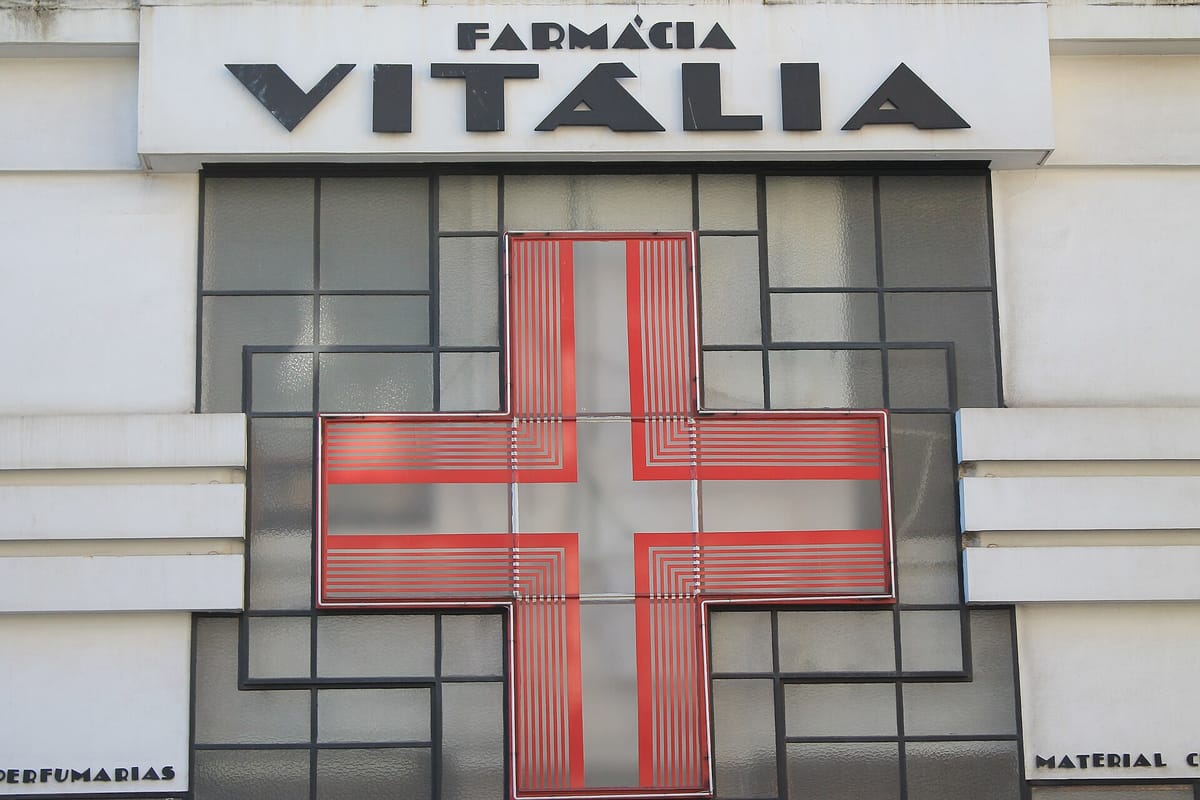
Pharmacy medicines that sell for 5 euros or less may go up by 2.3 percent from 1 January, under a government order published in the Diário da República (official gazette) on Wednesday. The same order, Portaria n.º 504/2026/1, names the four countries whose prices Portugal will use as the benchmark for setting and reviewing medicine prices in 2027: Spain, France, Italy and Belgium.
The order was signed on 16 November by the Secretary of State for Health, Ana Povo, and takes effect on Thursday. It is the yearly instruction that tells drug companies how far their maximum prices can move in the coming year.
What changes in 2027
- Cheap pharmacy medicines can rise 2.3 percent. Medicines sold in community pharmacies with a maximum retail price (PVP, preço de venda ao público) of 5.00 euros or less may be increased by 2.3 percent on the price in force on 18 November. On a 5-euro pack that is at most 11.5 cents, before any state reimbursement. The government says the aim is to keep low-priced medicines on the market.
- Four reference countries. Maximum prices are set and reviewed each year by comparing them with prices in Spain, France, Italy and Belgium. The law behind the system, Decree-Law n.º 118/2026 of 17 June (which set up the national health technology assessment system, SiNATS), says the list must be fixed by 15 November each year.
- Exemptions from the annual review. Branded pharmacy medicines (not generics or biosimilars) with a maximum retail price of 20.00 euros or less are spared the annual review. So are branded hospital medicines with a maximum price of 75.00 euros or less, and every medicine on the national list of critical essential medicines.
- Generics stay below the original. Generics and biosimilars are exempt from the review too, but their maximum price can never be higher than that of the original medicine they copy. Where a review cuts the original's price below a generic's, the generic must come down to match.
The timetable
Companies that market branded medicines must submit their reviewed maximum prices by 15 December 2026, and those prices apply from 1 January 2027. Companies that want to use the 2.3 percent rise for medicines of 5 euros or less face the same 15 December deadline and the same 1 January start. Generics and biosimilars whose prices must be brought down to the original's have until 15 January 2027, with the new prices applying from 1 February.
The rise is an option, not an obligation: the order says prices "may" be increased, so not every cheap medicine will necessarily cost more.
What it means for you
- Small rises on cheap medicines are possible in January. What you actually pay at the counter also depends on how much of the price the SNS (Serviço Nacional de Saúde, the national health service) reimburses for that medicine.
- Ask about generics. Generics are capped at the original medicine's price, so they remain the cheaper or equal option. Your pharmacist can tell you whether one exists for your prescription.
- Hospital medicines are paid for by the SNS, so the review affects hospital budgets rather than patients directly.
Spending on medicines is already a pressure point for the health service: earlier this month the government added another 1,538 million euros to the SNS for medicines and exams, and pharmacies are selling a record 731,000 euros a day in obesity medicines.