Paulo Duarte Buys Basque Cold-Chain Operator Barquín y Otxoa, Projecting €240 Million in 2026 Revenue
The Portuguese haulier has bought a 500-strong Basque refrigerated-transport specialist, deepening its push into northern Spain and targeting €240 million in consolidated sales this year.
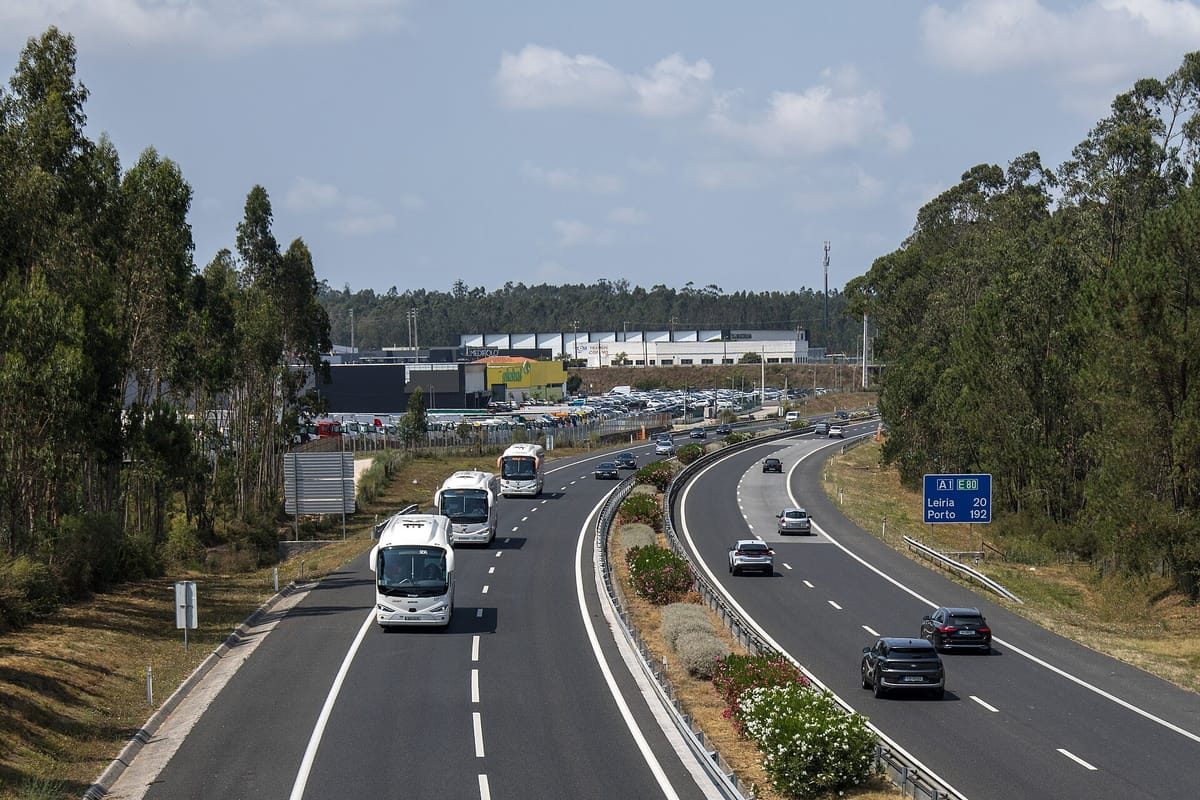
A Portuguese family haulier is buying its way deeper into the Spanish market. Grupo Paulo Duarte, one of the country's larger road-transport operators, has acquired Barquín y Otxoa, a Basque logistics company that specialises in moving refrigerated, frozen and ultra-frozen goods. With the deal done, the group expects to bill about €240 million in consolidated revenue in 2026.
Barquín y Otxoa brings more than 40 years of cold-chain experience and a workforce of over 500 people. The Basque Country is one of the Iberian Peninsula's densest industrial and logistics hubs, and the acquisition hands Paulo Duarte a ready-made foothold in northern Spain rather than a slow build from scratch. The purchase price was not disclosed.
Key details of the deal:
- Target: Barquín y Otxoa, a Basque specialist in temperature-controlled transport (refrigerated, frozen and ultra-frozen).
- Scale added: 500-plus employees and four decades of cold-chain operations.
- Group ambition: €240 million in consolidated 2026 revenue.
- Integration: The acquired company keeps its brand, teams and operating bases during a gradual integration.
Founded in 1946, Grupo Paulo Duarte has grown from a Portuguese trucking business into a diversified logistics group operating through subsidiaries including Transportes Paulo Duarte, Hurtrans and IBEREN. Its activities span general cargo, temperature-controlled freight, hazardous materials, fuels and energy — a spread that has made it a recognisable name on Iberian motorways.
The move fits a wider pattern of Portuguese companies scaling across the border into Spain, treating the peninsula as a single market rather than two. For a logistics operator, cold-chain capacity is especially prized: transporting fresh and frozen food and pharmaceuticals demands specialised fleets and tight temperature control, and it commands higher margins than ordinary haulage. Buying an established Basque player is a fast way to acquire both the equipment and the client relationships.
What This Means for Expats
- Iberian consolidation: The deal is another sign that Portugal and Spain increasingly function as one logistics market — relevant to anyone who runs a business shipping goods across the border.
- Food supply chains: More cold-chain capacity under one operator helps move fresh and frozen products between the two countries, part of the invisible machinery that keeps supermarket shelves stocked.
- Portuguese firms going abroad: A family company founded in 1946 buying a 500-employee Spanish business is a reminder that the flow of investment across the border runs both ways, not just from Spain into Portugal.
- Jobs and stability: With the acquired brand, teams and bases retained, the transaction points to continuity rather than immediate restructuring on either side of the frontier.
For Grupo Paulo Duarte, the Barquín y Otxoa purchase is a statement of intent: a Portuguese operator betting that its future growth lies as much in the industrial heartlands of northern Spain as on the roads back home.