Parliament Gives the Government Sixty More Days to Report on Whether Fátima Can Leave Ourém and Become a Municipality
Draft Resolution 1216, tabled on 28 August, buys the government until late October to deliver the report Law 142/85 demands. Fátima's parish bodies are in favour, Ourém has reserved its position, and Portugal has not created a municipality since 1998.
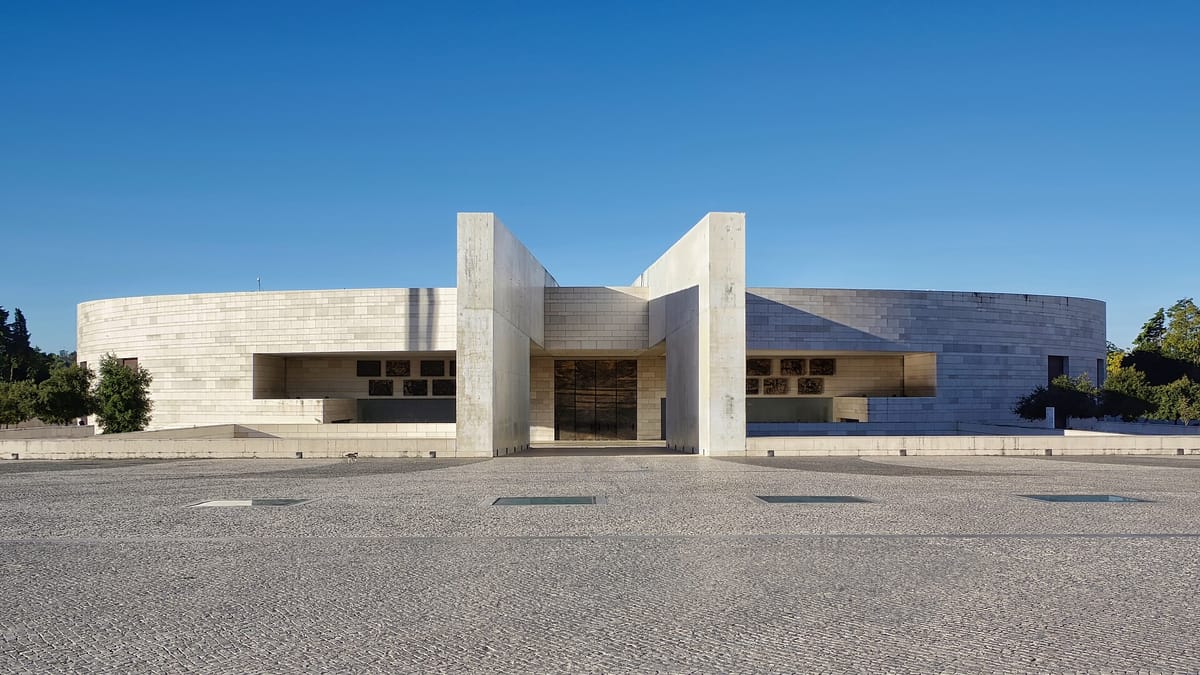
Fátima is a parish, not a municipality. A bill before parliament would change that, and on Friday the President of the Assembly of the Republic moved to keep it alive by giving the government another two months to produce the report the law requires before anyone can vote.
Projeto de Resolução n.º 1216/XVII/1.ª (Draft Resolution 1216) was tabled on 28 August by José Pedro Aguiar-Branco, president of the Assembleia da República (Assembly of the Republic). It asks the house to extend by 60 days the deadline for the government to deliver the report accompanying Projeto de Lei n.º 596/XVII/1.ª (Bill 596), the Bloco de Esquerda, PAN and Juntos pelo Povo proposal to create a município de Fátima out of territory that currently belongs to Ourém, in the Santarém district.
Why a report decides this
Creating a municipality runs through Lei n.º 142/85 (Law 142/85), the Lei-Quadro da Criação de Municípios (Framework Law on the Creation of Municipalities), still in force as last amended in 1999.
Under Article 7, once a bill is admitted the president of parliament opens the process in committee and notifies the government, which then has 90 days to supply a report. That report is not the government's own work: it comes from a commission chaired by the Ministério da Administração Interna (Ministry of Internal Administration), with nominees from the juntas de freguesia of the proposed municipality, the câmara losing the territory, and representatives of the Inspeção-Geral de Finanças (Inspectorate-General of Finance) and the land registry. Article 7(4) lets parliament extend the 90 days on a reasoned government request. Aguiar-Branco wrote to Parliamentary Affairs Minister Carlos Abreu Amorim on 29 May; the government asked for more time on 26 August, pushing the deadline into late October.
What the report must establish
Article 8 requires it to show that both the new municipality and the one it leaves behind would be viable, to draw the boundary with cartography at 1:25,000, and to itemise the assets, rights and obligations to be transferred. Article 3 adds a hard financial test: no municipality may be created if either side would be left with revenues insufficient for its duties.
Consultations are already running. Under Article 5 the assembleias de freguesia joining the new municipality must give a favourable opinion, and the origin municipality must be heard within 60 days. Fátima's junta and assembleia de freguesia have declared in favour. The Câmara Municipal de Ourém has reserved its position pending full data, and the Associação Nacional de Municípios Portugueses says the two authorities should settle it between them.
Article 4 then grades the thresholds by the origin municipality's registered electors per square kilometre, from more than 10,000 electors in the thinnest band up to more than 30,000 in the densest, and demands facilities on the ground: permanent medical cover, a pharmacy, public transport, a post office, hotel beds, schools, a fire brigade and a bank branch.
Fátima has asked before
Portugal has not created a municipality since 1998, when Vizela, Trofa and Odivelas were carved out. Fátima was among the proposals put to later parliaments, alongside Canas de Senhorim, Amora, Sacavém, Esmoriz and Quarteira, and none was approved. In 2003 President Jorge Sampaio vetoed a bill that would have allowed new municipalities on a two-thirds vote, arguing it would encourage fragmentation rather than stronger municipalities.
For residents, nothing changes yet: Ourém still issues the licences, collects the IMI property tax and runs the schools. If the bill ever passes, the boundary drawn in that report decides which side of the line each address falls on. Smaller boundary questions do keep reaching parliament, from the 34-point line Porto and Gondomar redrew to the referendum Póvoa de Lanhoso held on its own status in May.