More Than Half of Portugal's New HIV Diagnoses Come Late, as School Health Assemblies Bring Sexual Health Lessons to 1,000 Pupils: Where to Get Tested
More than 1,000 pupils aged 14 to 18 are joining health mini-assemblies on sexually transmitted infections. Official data shows 53.9 percent of 2024 HIV diagnoses came late. Here is where to get tested in Portugal.
Doctors and nurses are taking a plain-language lesson on sexually transmitted infections into Portuguese schools this month. The Sociedade Portuguesa de Literacia em Saúde (SPLS, Portuguese Health Literacy Society) is running "health mini-assemblies" for more than 1,000 pupils aged 14 to 18, as part of its #semvergonha ("without shame") campaign, with scientific backing from the Associação Portuguesa para o Estudo Clínico da Sida (APECS, Portuguese Association for the Clinical Study of AIDS), Lusa reported through RTP on 18 October.
A health professional first explains the basics, then pupils split into groups to discuss syphilis, HIV and AIDS, how infections spread and how to use a condom correctly. Sessions are planned in Lisbon and Peniche this month and in Felgueiras and Lousada on 18 November.
"We need to create spaces of trust, where young people can talk without shame, clear up doubts without fear of judgement and get clear, rigorous, age-appropriate information," SPLS president Cristina Vaz de Almeida told Lusa.
What the official figures show
The figures Lusa cites come from the latest national surveillance report, Infeção por VIH em Portugal 2025, published in November 2025 by the Direção-Geral da Saúde (DGS, Directorate-General of Health) and the Instituto Nacional de Saúde Doutor Ricardo Jorge (INSA, national health institute). By 30 June 2025, 997 HIV diagnoses made in 2024 had been notified, 951 of them diagnosed in Portugal. Among people aged 15 and over, 27.6 percent were under 30, and the highest diagnosis rate was in the 25 to 29 age group.
The headline concern is timing. Of the 2024 cases with a recorded first CD4 count, 53.9 percent presented late, defined as fewer than 350 CD4 cells per cubic millimetre, and 36.3 percent already had advanced disease, below 200. Late presentation reached 65.4 percent among people diagnosed at 50 or older and 67.6 percent among men infected through heterosexual sex. The report also found that people from sub-Saharan African countries tended to present later than those from other regions, and that 53.6 percent of new cases were in people born abroad, although Portugal was the likely place of infection in 52.5 percent of the cases where this was known.
New diagnoses fell 35 percent between 2015 and 2024, on provisional figures, but Portugal's rate remains above the European Union average.
Where to get tested
According to the SNS 24 screening page, written from DGS guidance, you can be tested:
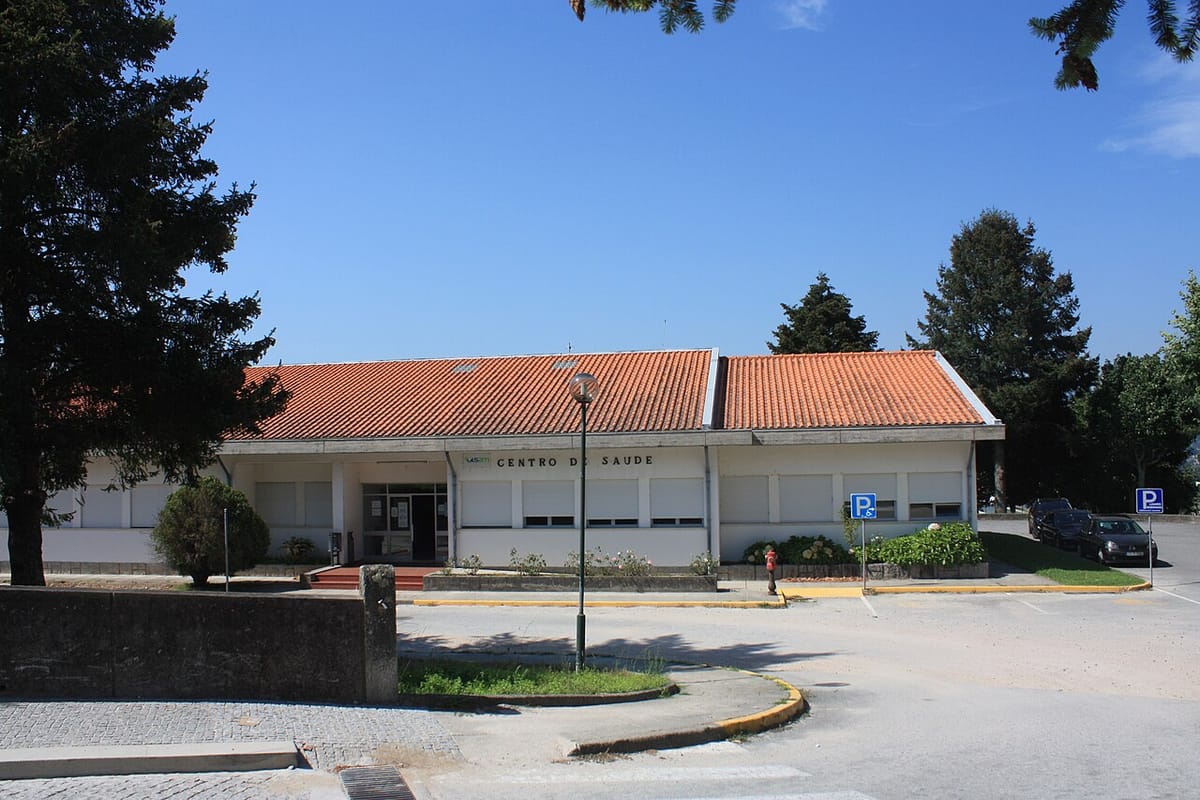
- at your health centre, with a doctor's request;
- at a Centro de Aconselhamento e Deteção Precoce do VIH (CAD, HIV counselling and early detection centre);
- through a non-governmental or community organisation;
- at a pharmacy or a clinical analysis laboratory.
A reactive result is not a diagnosis: you are referred to a hospital of your choice for a confirmation test and, if infection is confirmed, treatment. HIV self-tests have been sold in pharmacies since 2019 and were available in every district in 2024, when 5,659 were dispensed, the report says. Antibody tests may need repeating if taken soon after a risk, because detectable antibodies can take about three months to appear. The SNS 24 line is 808 24 24 24.
For immigrants without residence papers, the health regulator ERS's supervision alert 6/2020 sets out that communicable diseases posing a public health threat, citing AIDS as an example, are treated on the same terms as for the general population. Parliament is debating bills on charging non-residents for SNS care; neither is law yet.
Prevention options, including PrEP, are on the SNS 24 prevention page; we covered the revised PrEP rules on 9 October.