Portugal's Revised HIV Prevention Rules Let Nurses Run PrEP Check-Ups Every Three to Six Months, Remotely if Needed
Routine PrEP reviews move from every three months to every three to six, can be done by a nurse and remotely, and the DGS sets out prescription in health centres and community organisations. Cost and eligibility stay the same.
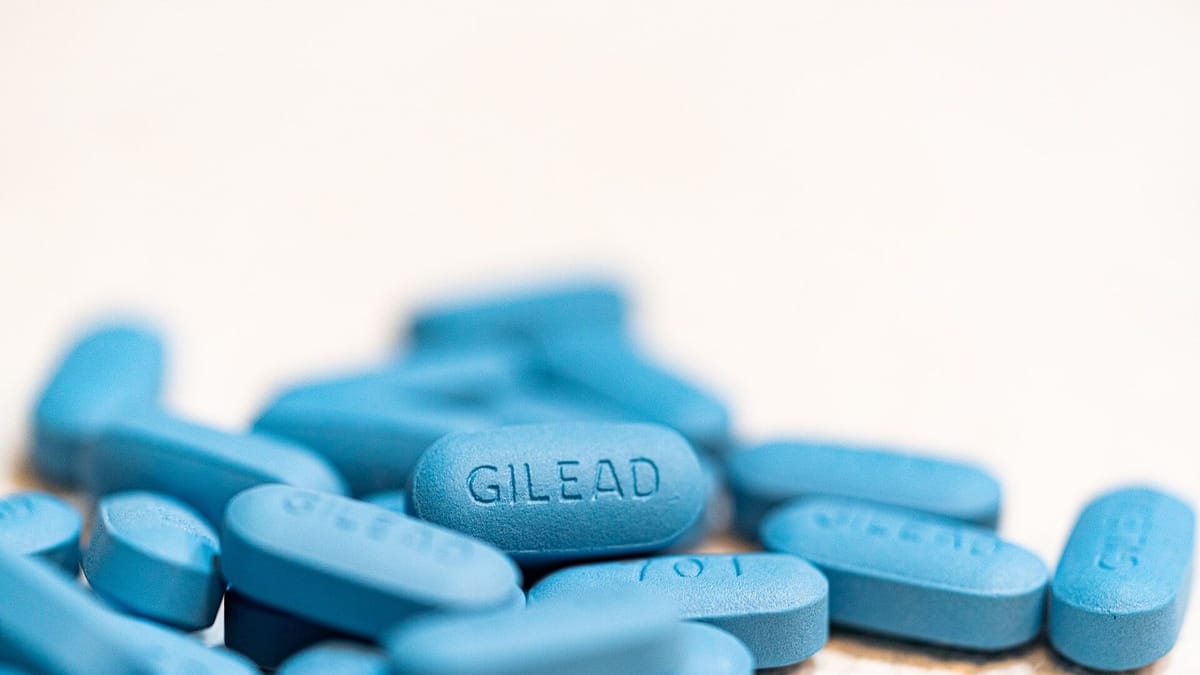
People taking pre-exposure prophylaxis (PrEP), the pills that prevent HIV infection, will need fewer and simpler check-ups under a revised clinical norm from the Direção-Geral da Saúde (DGS, Directorate-General of Health). The update to Norma n.º 001/2024, signed on 8 October and published on the DGS website, also sets out prescription in health centres and in community organisations, as Lusa reported on Friday.
PrEP is a daily (or, for some men, event-based) course of emtricitabine and tenofovir disoproxil taken by people who do not have HIV to cut their risk of getting it. It covers people aged 16 and over at increased risk.
What changes in follow-up
Under the March 2024 version, people on PrEP were seen every three months by a doctor or at an in-person nursing appointment, with an extra doctor's visit every six months and another every year. The new text makes the routine review every three to six months, depending on each person's risk, for those who have been on PrEP for some time and are taking it as prescribed. It can be done by a doctor or a nurse, in person or remotely.
At each review the norm asks for:
- a fourth-generation HIV test and a syphilis blood test;
- questions on adherence, side effects and symptoms of other sexually transmitted infections, with lab tests for chlamydia and gonorrhoea where symptoms point to them;
- kidney tests every six months, but only for people aged 50 or over or whose kidney function was already reduced when they started.
The separate six-monthly doctor's visit is gone. A yearly doctor's review remains, with a kidney test for everyone else, a hepatitis C test and a pregnancy test where relevant. Services must also make it easier to be seen quickly when someone has symptoms of a recent HIV infection or another STI.
Who prescribes, and where the pills come from
The update lists prescription in primary care, the centros de saúde (health centres), and in community-based organisations as one of its two aims. Each Unidade Local de Saúde (ULS, the local health unit that runs hospitals and health centres in an area) must now coordinate hospital clinics, health centres and agreements with community organisations, and define how the medicine reaches patients.
The cost rules come from Portaria n.º 402/2023 and have not changed. PrEP is dispensed free by SNS hospital pharmacies through hospital specialist clinics in the HIV referral network, or other clinics the ULS designates, and the same free route can be extended to key populations followed in health centres or community organisations under formal agreements. A doctor in general practice, infectious diseases, dermatovenereology, internal medicine, paediatrics or public health can also issue an electronic prescription that a high street pharmacy fills with a 69 percent state contribution. The portaria caps the price at 40 euros for 30 tablets, so the patient's share is at most about 12.40 euros a pack.
A first prescription lasts up to 180 days, and pills are handed out 90 days at a time. Eligibility and the daily and on-demand regimens are essentially unchanged. The norm does not mention injectable PrEP, and it does not address patient registration; anyone unsure should ask at their health centre or the hospital clinic. Our earlier report on family doctor coverage in the SNS explains who has a GP today.
Why it matters
The norm's own figures show 997 new HIV diagnoses in Portugal in 2024, a rate of 9.3 per 100,000, up from the 804 recorded for 2022 in the previous version. More than half (53.6 percent) were in people born abroad, but where the place of infection was known, 52.5 percent were infected in Portugal. And 53.9 percent of cases were diagnosed late.