Póvoa de Lanhoso Consulta Popular Tallies 85.3% Against the Câmara's Bid to Elevate the Vila to City Across the 17–23 May Window — Junta de Freguesia Files the Result With the Comissão da Reforma do Estado e Poder Local
The Junta de Freguesia da Póvoa de Lanhoso tallied 85.3% against (752 of 882 voters) the câmara's bid to elevate the parish from vila to cidade across the 17–23 May 2026 consulta popular — the result heads to the Comissão da Reforma do Estado e Poder Local at the Assembleia da República.
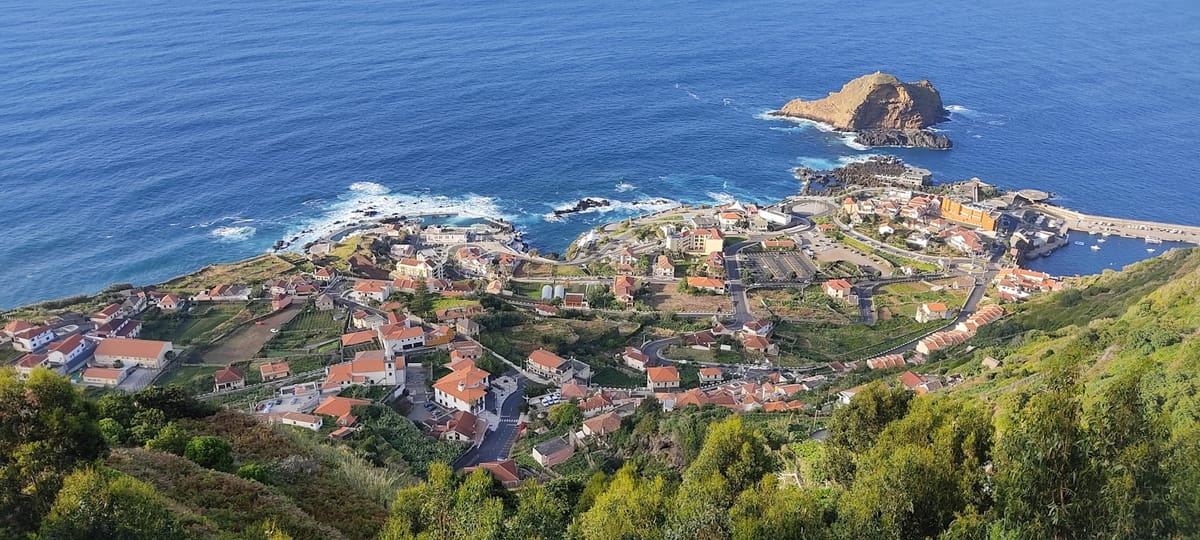
The Junta de Freguesia da Póvoa de Lanhoso closed its week-long consulta popular on Saturday 23 May 2026 with 85.3 per cent of votes against the câmara municipal's bid to elevate the parish from vila to cidade. The vote ran between Sunday 17 May and Saturday 23 May; 882 residents took part, with 752 voting against, 129 in favour (14.6 per cent) and one blank or null ballot. The result will now be filed as a formal parecer with the Comissão da Reforma do Estado e Poder Local at the Assembleia da República, where the câmara's city-status proposal has been queued for parliamentary discussion since March.
The Underlying Dispute
The elevation file is the work of câmara president Frederico Castro (PS), who has steered Póvoa de Lanhoso's bid for upgraded administrative status alongside a parallel proposal that nine local aldeias in the concelho be lifted to vila status. The Assembleia da República opened a discussion of both items on 17 March 2026. The Junta de Freguesia da Póvoa de Lanhoso — held by the PSD after the October 2025 autárquicas — has consistently pushed back, arguing the residents themselves had not been consulted on a status change that carries symbolic weight and longer-term planning consequences. Sunday's tally crystallises that position into a documented majority against the câmara's bid inside the seat freguesia itself.
What City Status Actually Changes
Portuguese administrative geography draws three statutory tiers — aldeia (village), vila (town) and cidade (city) — set by national law and granted by parliamentary decree. The legal effect of elevation from vila to cidade is modest in immediate terms: the parish does not change council, does not gain new taxation powers, does not gain a separate municipal budget line, and remains within the same concelho. The change is principally identitarian, administrative and signage-related: official correspondence, road signage, postal addressing and statistical classification update; the freguesia gains the title of cidade for ceremonial and protocolary purposes. The longer-term knock-ons sit in tourism positioning, classification for certain EU programme eligibility windows and the demographic threshold tracking that influences future local-authority restructuring.
The Numerical Threshold and the Process
Under Lei n.º 11/82 (the statute that fixes the criteria for elevating aldeias, vilas and cidades), a parish seeking city status requires either at least 8,000 voters in a continuous urban perimeter, or evidence of exceptional regional importance. Póvoa de Lanhoso sits inside the Braga district and serves a concelho of roughly 21,800 residents at the 2021 census; the question of whether the freguesia itself crosses the 8,000-voter threshold or qualifies under the exceptional-importance route is part of what the parliamentary commission must evaluate. The câmara's proposal argues for elevation under both heads; the Junta de Freguesia's consulta is a non-binding but politically weighted input that the Comissão da Reforma do Estado e Poder Local will read alongside the câmara file.
What Sunday's Tally Does and Does Not Bind
The consulta popular is not a formal referendum. It does not procedurally veto the câmara's filed proposal, and the Assembleia da República retains the legal authority to grant elevation regardless of the freguesia-level result. What the 85.3 per cent against vote does change is the political baseline the parliamentary discussion now runs on: a documented majority of the freguesia residents who chose to participate have stated a preference against elevation, and the câmara file will have to address that gap. The participation figure of 882 voters — set against a freguesia electorate of several thousand — also matters: turnout is the line the câmara is likely to lean on if it pursues the elevation despite the result. The Junta de Freguesia will meet shortly to formalise its parecer for the parliamentary commission.
What This Means for Expats
- If you live in Braga district: Póvoa de Lanhoso is one of the larger Minho-interior concelhos and the elevation debate is the visible edge of an ongoing national conversation about how parish and town status should track contemporary demographics rather than 1980s-vintage thresholds.
- Administrative reality: elevation does not change taxes, council services or the cartão de cidadão address line. The change is signage and statistics.
- Pattern recognition: the câmara-versus-junta political alignment (PS at concelho level, PSD at freguesia level) is a common Minho pattern and explains why these debates tend to surface in years following autárquicas.
- Next file: the Comissão da Reforma do Estado e Poder Local schedules elevation discussions across the parliamentary year; a vote on the city-status decree could land in autumn 2026.