Operation Last Call: Police Raids Target Alleged Ryanair Subsidy Scheme in the Azores
A criminal investigation has blown open one of the most explosive political scandals to hit the Azores in years, with Portuguese police conducting sweeping raids across the archipelago and in Lisbon over allegations that the regional government...
A criminal investigation has blown open one of the most explosive political scandals to hit the Azores in years, with Portuguese police conducting sweeping raids across the archipelago and in Lisbon over allegations that the regional government funnelled millions in public funds to Ryanair through a covert subsidy arrangement.
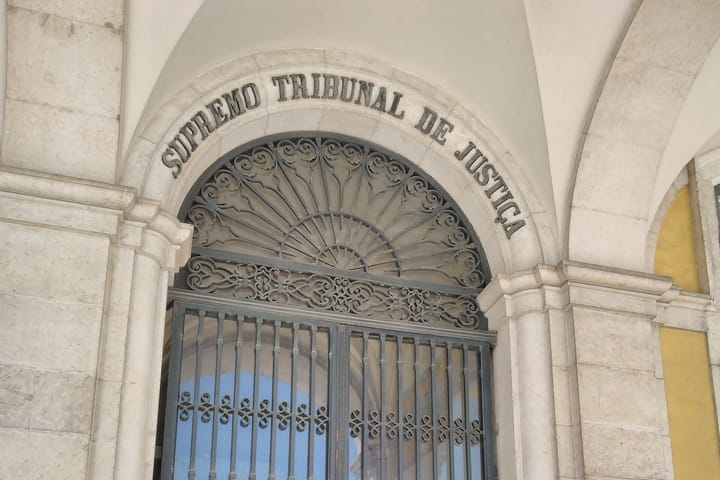
The operation, dramatically named "Last Call," saw 65 officers from the Polícia Judiciária (PJ) descend on government offices, regional directorates, the Azores Chamber of Commerce, and law firms in the capital on Tuesday. Five people have been named as suspects so far, facing potential charges including subsidy fraud, abuse of power, and economic participation in business dealings.
The Alleged Scheme
At the heart of the investigation is the relationship between the Azores regional government and Europe's largest budget airline. According to investigators, public funds earmarked for tourism promotion under the Programa Operacional 2030 — EU structural funds — may have been improperly channelled to Ryanair through contracts awarded to Visit Azores, a private association with public utility status.
Pedro Fonseca, deputy director of the criminal police, told RTP Açores that Ryanair may have received public subsidies since 2023 through what he described as "fictitious financing contracts" designed to offset the airport fees the airline pays in the islands. Between 2023 and 2024 alone, approximately 17 million euros were allocated through the programme for promoting the Azores as a destination.
The alleged mechanism was straightforward: Visit Azores served as an intermediary, signing annual contracts — some through direct awards rather than competitive tenders — with Ryanair for tourism promotion. Investigators believe these contracts were, in reality, disguised compensation for the airline's airport charges.
Ryanair's Response
The airline has flatly denied the allegations. In a statement released on Wednesday evening, Ryanair said it "does not have an agreement with the Azores" and pointed to its November announcement that it would cancel routes to the archipelago, citing excessive fees imposed by airport operator ANA and government inaction.
This is not an isolated dispute for the carrier. Ryanair has pulled routes across several European countries, including Spain, Austria, and Belgium, over what it consistently describes as unfair airport charges.
Political Fallout
The investigation has already reached the doors of the regional tourism secretary, Berta Cabral, whose offices were among those searched. Initial reports from RTP Antena 1 Açores stated she had been named a suspect, though this was later corrected — her political immunity as a member of the regional government reportedly prevented formal charging at this stage.
The Azores regional government has stated it is providing "full cooperation" with the investigation to "ensure maximum transparency."
What It Means for Air Connectivity
For residents and the growing community of foreign nationals living in or considering the Azores, the scandal raises uncomfortable questions about the sustainability of budget air links to the islands. The Azores have worked hard to position themselves as an alternative destination for remote workers and nature-focused expats, but affordable flight connections remain a critical factor in that pitch.
If the investigation confirms that subsidies were needed to keep Ryanair flying to the Azores, it suggests the economics of serving the islands may be more fragile than the tourism brochures let on. And with Ryanair having already announced route cancellations, the question of who will fill the gap — and at what price — is more pressing than ever.
The investigation continues. Further developments are expected as prosecutors review the seized documents. (Background: see our piece on the Portuguese long-distance trails and FCMP markings guide.). (Background: see our piece on the Caminho Português 2026 — Central, Coastal, Senda Litoral and Variante Espiritual.)
Related reading: PJ Seizes 278 Works in Penalva do Castelo — 27 Authors Including Picasso, Miró, Hockney and Dürer On the Azores aviation operations side, our 24 May read on the SATA fog disruption — the recurrent Atlantic nevoeiro pinning Ponta Delgada and several inter-island runways from Friday 22 May, with SATA Air Açores and Azores Airlines running extraordinary Sunday-to-Monday rotations under slot constraints at Lisbon and Porto sets the latest reference.