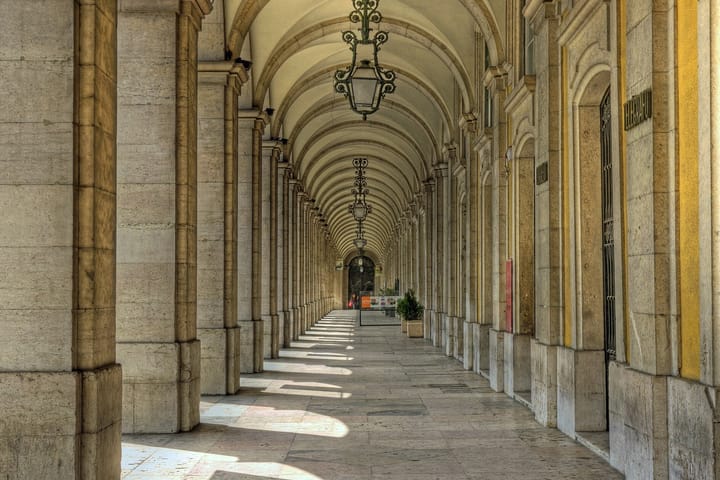
One Fort in Restelo Now Runs Every PSP Criminal Inquiry in Greater Lisbon, and Its Commander Puts 60 Percent of Violent Crime in the Capital Itself
More than 600 investigators across the surrounding councils now report to a single division. Its chief expects two or three years to align them, and rejects a link between immigration and crime.
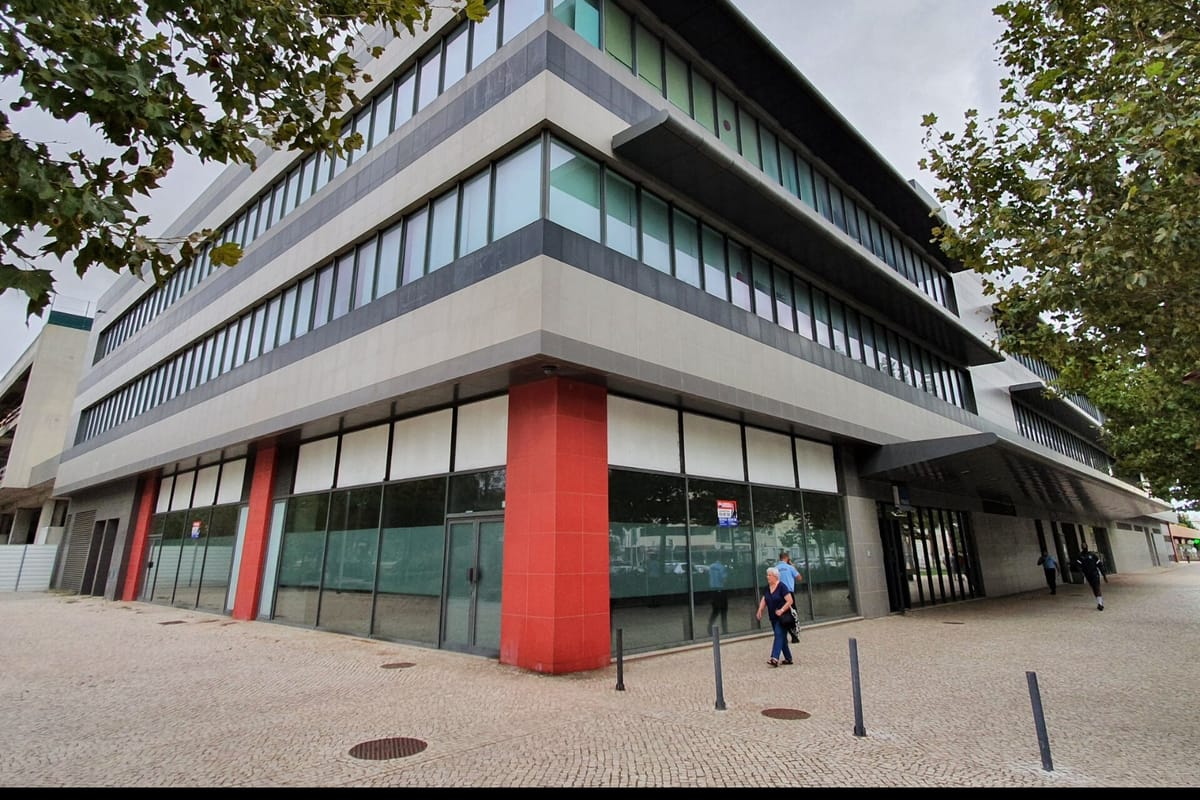
Every criminal investigation the PSP police carries out in Greater Lisbon now answers to a single command, run from a nineteenth-century fort in Restelo. The restructuring, phased in since May, was completed last Thursday when the Vila Franca de Xira station was brought under the PSP Lisbon Metropolitan Command's Criminal Investigation Division (DIC). The division now has more than 600 people, and Observador, which visited the headquarters, puts the figure at 640.
The man in charge is Rui Costa, an intendente (a senior officer rank) who took over the enlarged division last week. "We are now a single structure, with a single command for the whole area of the metropolitan command," he told Observador.
What changes
Lisbon city's investigators already worked from the Forte do Alto do Duque, an old military fort close to 150 years old. The surrounding councils, from Sintra to Loures, had their own investigation units, which Costa says worked in different ways. Those officers mostly stay in their local stations, but now report directly to the DIC.
The aim, he says, is to use the same resources better: less duplication and faster responses without large reinforcements of staff. It will take time. "We will perhaps need two or three years to have everyone aligned," he said. "The goal is a common doctrine, so that a robbery in Amadora is treated exactly the same way as a robbery in Lisbon."
The fort houses an intelligence analysis unit of eight to ten analysts who cross data and map crime patterns across the region, and a specialist drug-trafficking squad created in 2024. That squad works on three levels: street selling points, the people who supply them, and a small team that pursues only the large traffickers who run the trade in an area. It was this unit that carried out the PSP's largest drug seizure, of about six tonnes of hashish.
Where violent crime happens
The reorganisation comes as mayors including Lisbon's Carlos Moedas and Porto's Pedro Duarte have said that crime is rising and streets are less safe. Costa sides with the Interior Minister, Luís Neves, in disputing that framing, and offered a figure the PSP compiles: about 60 percent of violent and serious crime in the PSP's area of the metropolitan region takes place in the municipality of Lisbon itself. The other 40 percent is spread across Amadora, Cascais, Oeiras, Sintra, Odivelas, Loures and the rest. "Sometimes we think Amadora is the end of the world, but the big share is in the capital," he said.
He was cautious about short-term comparisons. A credible study of crime trends, he argued, needs to go back at least ten years; comparing one month of 2026 with the same month of 2025 "tells us nothing".
Immigration and travelling criminals
Costa rejected a link between immigration and crime. "The overwhelming majority of the crimes we are investigating continue to be committed by Portuguese people," he said, adding that most victims are Portuguese too.
Where foreigners do figure, he said, is in what police call itinerant crime: people who come to Portugal to pick pockets, burgle homes or steal luxury watches, and then leave. The PSP's pickpocket brigade works with forces elsewhere in Europe; Costa said a team from it was at this year's Oktoberfest in Munich at the request of the German authorities, and Belgian and Spanish officers help in Lisbon during the June Santos Populares festivities.
For residents, the practical point does not change: crimes are still reported at any PSP station, or, for some offences, through the Ministry of Internal Administration's electronic complaints portal. What changes is who takes the case forward behind the counter.