Óbidos's €25 Million Surf Pool, the EU's First Wavegarden, Begins Taking Bookings for a December Opening
Surfers Cove in Óbidos, billed as the first Wavegarden-powered wave pool in the EU, opened early-bird bookings on 15 July ahead of a December 2026 launch. Sessions start at €72.50, there is a four-star 56-bungalow surf village, and the €25m-plus project sits between Ericeira and Nazaré — a bet on ye
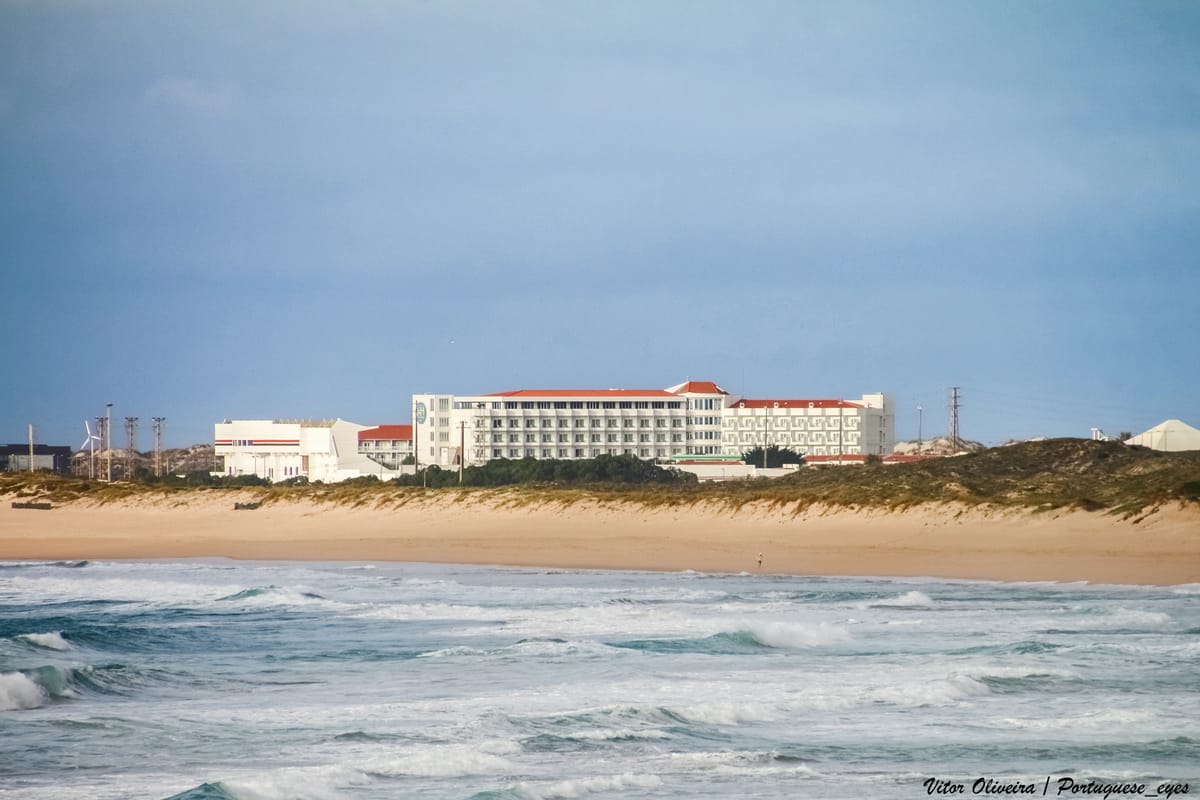
Portugal, a country with some of Europe’s best natural surf, is about to get its first artificial one. Surfers Cove, a wave pool rising in Óbidos in the Oeste region, has opened bookings ahead of a planned December 2026 debut — and it arrives with a notable claim: it will be the first Wavegarden-powered wave pool in the European Union, and the thirteenth anywhere in the world.
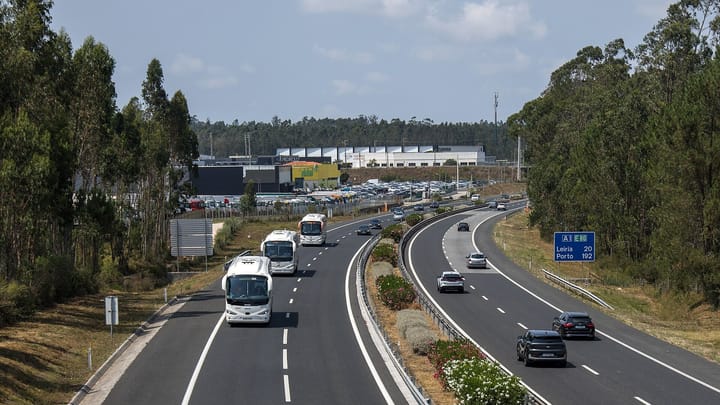
The project sits in surfing’s heartland, on the stretch of coast between Ericeira — a World Surfing Reserve — and Nazaré, home of the giant waves that have made the town globally famous. It is about 20 minutes from Peniche and its celebrated Supertubos beach, and roughly an hour’s drive from Lisbon airport, putting it within easy reach of both weekend visitors and the international surf-tourism circuit.
Waves to order
The appeal of a Wavegarden-style pool is control. Instead of waiting on swell, wind and tide, the technology generates a steady procession of waves — earlier reporting on the project put the pool’s capacity at up to 1,000 waves an hour — and can dial their size and shape up or down to suit anyone from a first-timer to a competitor. Sessions run for about an hour and are open to surfers aged seven and up.
That predictability is the whole point. A beginner can take a lesson in chest-high, evenly spaced waves without paddling through a crowded line-up, while an advanced surfer can practise the same manoeuvre dozens of times in a session — something the open ocean rarely allows.
What it costs
Surfers Cove launched an early-bird campaign on 15 July with discounted rates. A single 60-minute session is being offered at €72.50, down from a standard €87, with multi-session packs bringing the per-wave price down: three sessions for €195, ten for €625 and thirty for €1,800. Whether those numbers read as steep or reasonable depends on your reference point — they are far above the cost of a day at a free public beach, but broadly in line with wave pools elsewhere in Europe.
The site is more than a pool. Plans include a four-star “Surf Village” of 56 prefabricated bungalows sleeping up to 144 guests, with a minimum two-night stay and rates from €217 a night, alongside a restaurant, a shop, skate parks, padel and tennis courts, a gym, a surf school and landscaped grounds. The overall investment is put at more than €25 million, drawn from a mix of private capital and EU funding, and earlier reporting named the professional surfer Kanoa Igarashi among the backers.
A bet on year-round surf tourism
For the Oeste, the wager is about seasonality. Portugal’s surf economy is real but weather-dependent, and a pool that produces guaranteed rideable waves in December or a flat-calm August afternoon promises to smooth the tourist calendar and keep instructors, guesthouses and restaurants busy outside the summer peak. Wave pools have drawn criticism elsewhere for their energy and water demands, and Surfers Cove will face the same scrutiny once it opens.
For residents and visitors, though, the near-term significance is simpler: from December, learning to surf in Portugal — or squeezing in a session when the Atlantic refuses to cooperate — will no longer depend entirely on the ocean’s mood.