Nordeste Health Unit Covers All but 22 of Bragança District's 125,000 Eligible Patients With a Family Doctor
September SNS data show only 22 of 125,311 eligible patients in the Bragança district without a family doctor. Nationally the figure is 12.9 percent, and 44.9 percent for foreign residents.
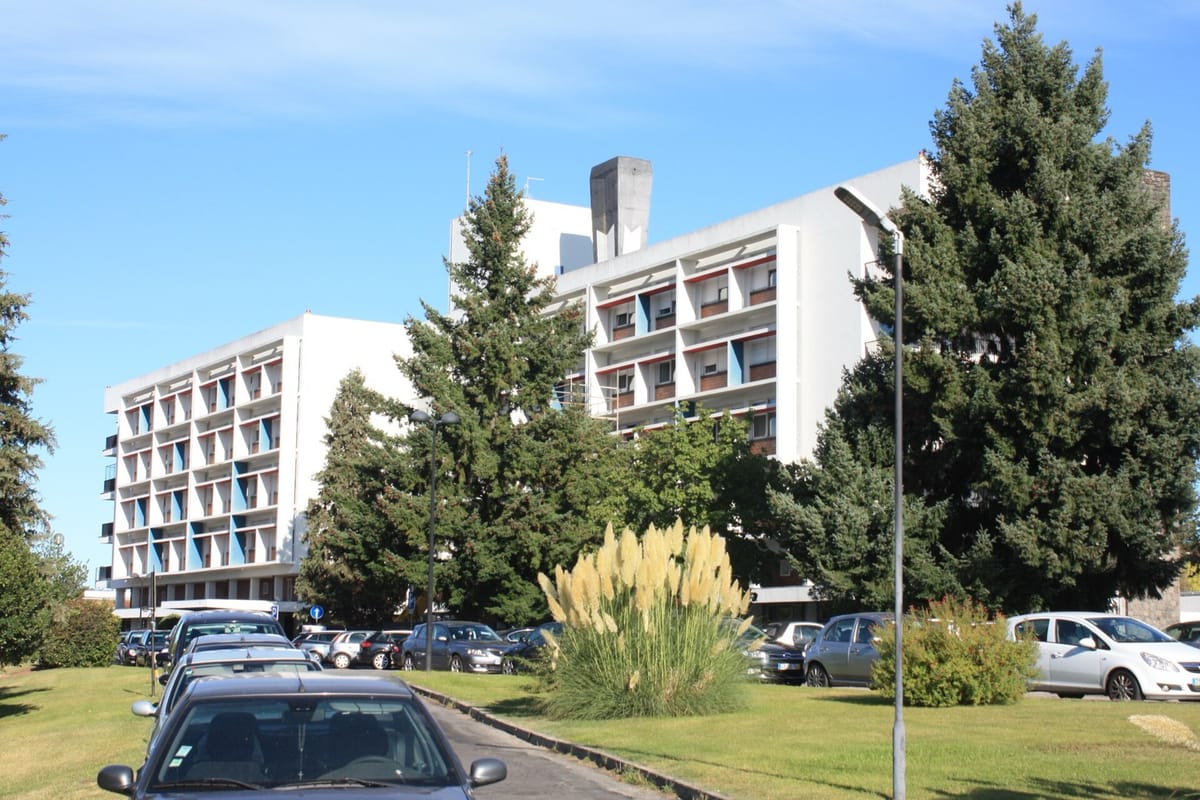
The public health service in the Bragança district now has a family doctor for virtually every patient entitled to one. The latest figures on the Portal da Transparência do SNS (the National Health Service's transparency portal), for September 2026, show that the Unidade Local de Saúde do Nordeste (ULS do Nordeste, the local health unit for the Bragança district) had 125,311 registered patients eligible for a family doctor, and only 22 of them without one. A further 160 had no family doctor by their own choice.
RTP returned to the story on Sunday, 15 November, reporting that every registered patient in the district now has a family doctor and that the ULS is the first in the interior with full coverage. The health unit first made the claim on 10 August, describing itself as the first border ULS in the interior to cover 100 percent of its registered patients, in a low-density region it said has long struggled to keep health professionals.
How the district got there
In June 2025, more than 13,000 of the ULS's registered patients (about 10.6 percent) had no family doctor, according to the portal's earlier series. In July 2025 the ULS hired nine newly qualified family doctors, which it said gave 13,220 more people a family doctor. By October 2025 it had 11 Unidades de Saúde Familiar (USF, family health units), five of them opened that year, and put its coverage at 98.4 percent.
Asked by Lusa in August, a ULS source said the district has "82 general and family medicine doctors with assigned lists" for 126,080 registered patients, an average of about 1,550 per family team, Observador reported. The source said patient-requested appointments are given within 15 days, or five days at a USF.
The final step coincided with a change in how the figures are counted, following the national patient-registry cleanup. From July 2026 the Administração Central do Sistema de Saúde (ACSS, the health service's central administration) only counts as eligible for a family doctor those patients with a complete, up-to-date record who have used the SNS in the past five years and live in Portugal. The portal warns that figures before and after July 2026 are not directly comparable.
How it compares
Nationally, 1,373,189 eligible patients, or 12.9 percent, still had no family doctor in September. Only three other ULS were at a similar level, all in the North: Tâmega e Sousa, Barcelos/Esposende and Médio Ave. In the neighbouring Trás-os-Montes e Alto Douro unit the figure was 2.8 percent; in the Estuário do Tejo and Oeste units it was above 40 percent.
The gap for foreign nationals is wide. Across the country, 44.9 percent of eligible foreign residents had no family doctor in September, against 9.3 percent of Portuguese nationals. In the Bragança district, one of 5,908 eligible foreign residents was without one.
What it means for you
- To get a family doctor you need a número nacional de utente (national health service number) and a registration at a health centre. Under ACSS rules, you register in person at any SNS health centre or hospital. A foreign resident needs a complete record: identity document, tax number (NIF), residence permit and full address in Portugal.
- Without a complete record within 180 days, you cannot register with a health centre and may have to pay for SNS care yourself.
- Since 29 October you can check your record type in the SNS 24 app or portal, the ACSS says.
- Where doctors are scarce, families with a pregnant woman, someone with a chronic illness or several conditions, or a child under 12 get priority.