No Juice, Ham or Fruit Pouches: Portugal's Health Authority Publishes Its First Guidance on What Creches Should Feed Children Under Three
The DGS lists what creches should stop serving, from Maria biscuits and rice drinks to growing-up milks, and asks them to give mothers a private place to breastfeed and to store expressed milk safely.
Portugal's health authority has published its first national guidance on what creches should feed children under three, and the list of things to keep off the table is longer than many parents might expect. The DGS (Direção-Geral da Saúde, the Directorate-General of Health) released the document on Monday, written with the Instituto da Segurança Social (Social Security Institute), the education quality institute EduQA and the Garantia para a Infância (Child Guarantee) programme. It covers creches and the other social services that care for children up to age three.
The document is guidance rather than law: almost every rule is phrased as something creches are "recommended" to do. But it arrives as the free creche programme, which the Government says has capacity for more than 141,000 children, brings more families into creche care, and it gives parents a clear standard to ask about.
What should not be served
The "do not provide" list includes the obvious (sweets, chocolate, fizzy drinks, crisps) and several items common on Portuguese creche menus:
- fruit juices and nectars, as well as other sugary or sweetened drinks;
- jam, honey and chocolate spreads;
- biscuits, including the plain Maria type, and pastries, including pão-de-leite (soft milk bread);
- desserts such as chocolate mousse, leite-creme and arroz-doce (rice pudding), and jelly, even sugar-free;
- salgados (savoury fried snacks) such as rissóis, croquettes and pastéis de bacalhau (cod fritters);
- ham, chouriço, sausages and other cured meats, and processed products such as fish fingers, meatballs and burgers;
- yoghurts with added sugar, flavoured milks and growing-up milks;
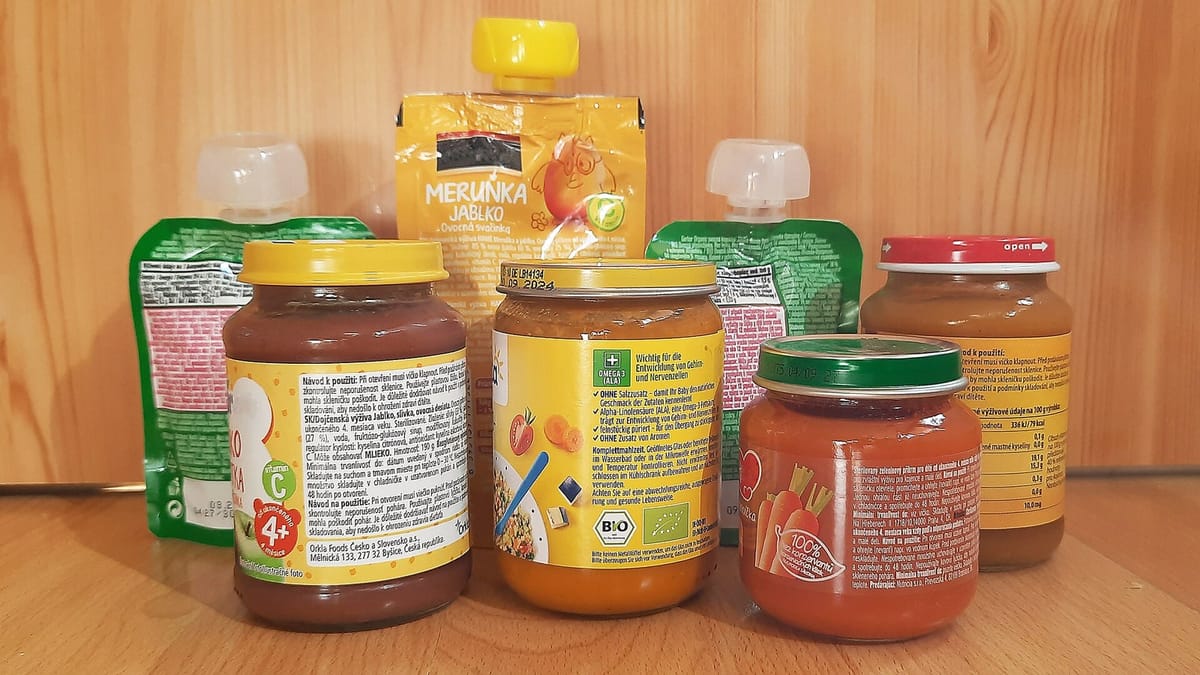
- fruit pouches and jars, fruit in syrup and dried fruit;
- rice drinks, which the DGS says are not safe for children under five because of their arsenic content;
- fish high in mercury, such as fresh tuna and swordfish.
Why pouches? The DGS says processed fruit usually has more free sugars and less fibre, mixes flavours together, and does nothing to develop chewing.
Breastfeeding at the creche
The guidance asks creches to support mothers who want to keep breastfeeding. That means a comfortable, quiet and private space to feed, plus proper handling of expressed milk. Parents should bring it in a cool bag with ice packs (for journeys under two hours), labelled with the child's name and the date and time it was expressed. The creche should keep it at no more than 5°C on the bottom shelf of the fridge, not in the door, for up to 72 hours after expression, and warm it in a water bath to body temperature, never above 40°C and never in a microwave.
Some reports on Monday said the DGS recommends breastfeeding until age three. The document itself says breastfeeding should ideally continue alongside family food "until 24 months of age or more", following the World Health Organization.
Meals, choking and birthdays
Creches should provide lunch and an afternoon snack, plus mid-morning and mid-afternoon snacks depending on the child's hours, about three hours apart. Grapes, cherry tomatoes and blueberries should be cut lengthways or into quarters, and whole nuts are out. Baby-led weaning should be used only where staff have specific training.
Vegetarian choices "must be respected and accommodated" if properly planned, although textured soy and meat substitutes are excluded as ultra-processed. Religious and cultural needs are to be met "as far as possible and reasonable", in agreement with parents. Birthdays, Christmas and Easter should not centre on food, and the DGS suggests non-food gifts instead.
The reason is in the DGS's own data: a study it funded found creche snacks heavy in simple sugars and main meals short on vegetables, pulses, oily fish and egg.