Nine in Ten Applicants Win a University Place in Portugal's First Round, With 11,500 Seats Still Open
In the first phase of Portugal's 2026 national higher-education competition, 43,899 students — 90.1% of applicants — secured a place, the government says. More than 11,500 vacancies remain unfilled across 1,000-plus courses, to be contested in the second phase.
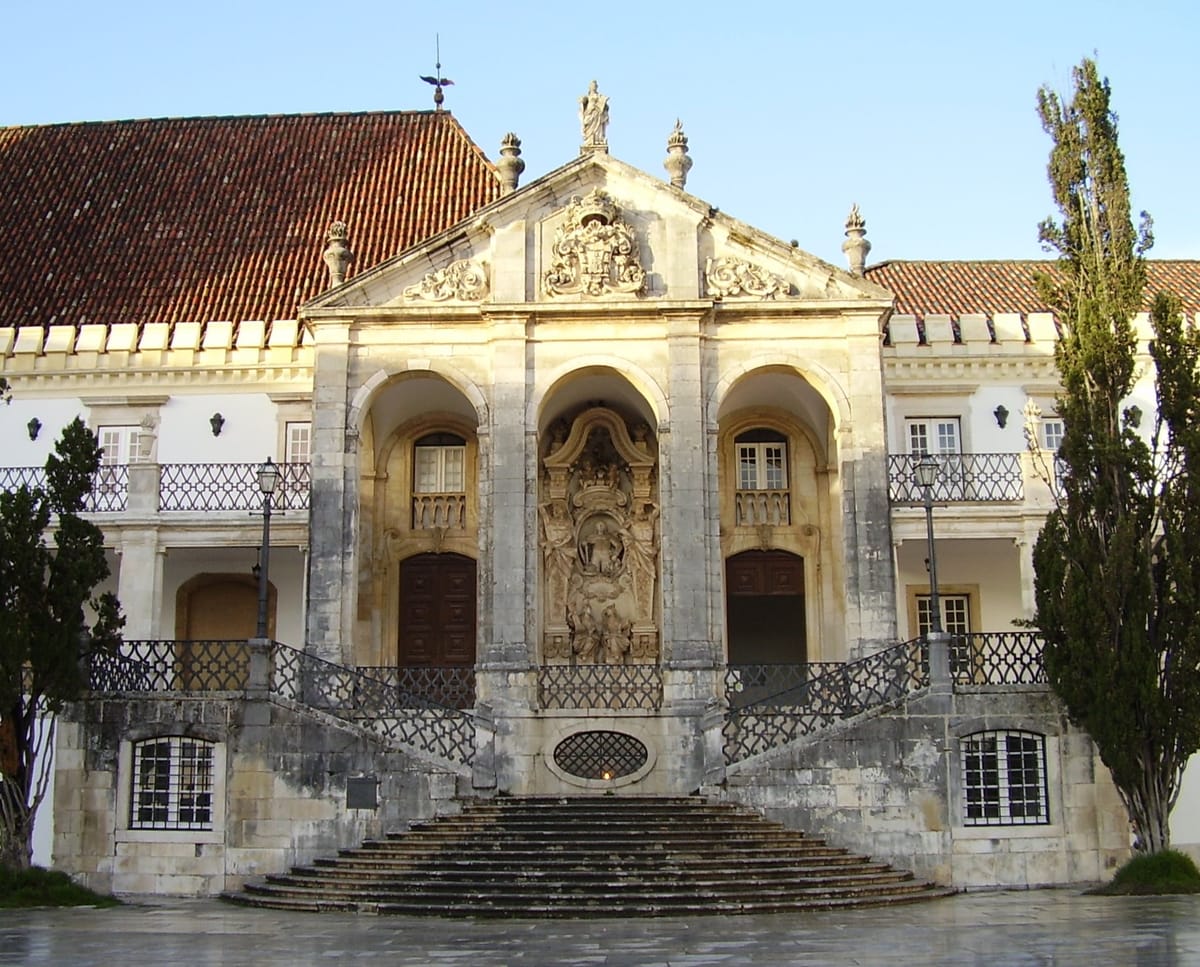
Portugal's universities and polytechnics have handed out the first big round of places for the coming academic year, and for most applicants the news was good. In the first phase of the 2026 Concurso Nacional de Acesso — the centralised national competition that allocates seats in public higher education — 43,899 students won a place, or 90.1% of everyone who applied. That leaves roughly nine in ten candidates already knowing where they will study in the autumn.
The results, released on Friday, come with an unusually large pool of leftover seats. More than 11,500 vacancies — 11,513, to be precise — remain unfilled and will be contested in the second phase, spread across more than a thousand courses at institutions the length of the country. Around 4,800 candidates who missed out in the first round can now try again for those places, alongside others who sat out phase one or want to trade up from the course they were offered.
The backdrop makes the smooth outcome notable. Demand for higher education hit a record this year, with the number of applicants rebounding to around 60,000 after fears that a chaotic, error-strewn rollout of digital exams might depress the field. That the placement rate still landed above 90% suggests the system absorbed the surge without the collapse some had predicted — though the glut of unfilled seats is a reminder that supply and demand do not map neatly onto one another across regions and subjects.
Part of that mismatch is by design. The government opened a record 56,790 seats in public higher education for 2026/27, part of a longer push to widen access and to steer students toward the interior and toward fields facing skills shortages. When the number of seats grows faster than applications to particular courses, vacancies pile up — often in polytechnics and inland institutions that struggle to compete with the pull of Lisbon, Porto and Coimbra, and in programmes that students simply favour less.
For families, the practical calendar now matters. Students placed in the first phase must enrol at their assigned institution within the set window or risk losing the seat, while those chasing a second-phase place will need to file a fresh application in the days that follow, ranking the courses still on offer. The second phase typically closes out the bulk of admissions before the academic year begins in the autumn, with a smaller third phase mopping up whatever remains.
The competition is worth understanding for anyone raising children in Portugal, including foreign residents whose sons and daughters have come up through Portuguese schools. Access to a public university place turns almost entirely on this national contest and on the grade-point average that combines secondary-school marks with the national exams — a transparent but unforgiving system in which a few decimal points can decide between a first-choice course and a scramble through the later phases. On what a Portuguese degree is actually worth in the labour market, our read on the EDULOG study putting numbers on Portuguese graduate outcomes: what the final mark is worth in salary, why the institution barely matters, and the fields where half the graduates are overqualified sets the latest reference. On how many of them actually finish, and how many now come from abroad, our report on the Francisco Manuel dos Santos Foundation's back-to-school analysis, which puts on-time completion of a Portuguese degree at 51 percent, first-year dropout at 30 percent of the intake, and foreign enrolment at 80,000, four times what it was fifteen years ago sets the latest reference. Update: on 30 September 2026, the second phase of the university access contest placed 9,116 students and left 4,069 places empty, almost half of them at five polytechnics. Our guide to applying to a public university in Portugal explains who can use the national access contest, the entrance exams, the three phases, and enrolment.