More Than 150 Prisoners in Porto Put Their Names to a Complaint About the Food, and the Rulebook Gives the Prison Thirty Days
A collective complaint at the Custoias jail says the food is poor and blames it for recurring gastroenteritis. The prison says its nutritionist found no irregularity. Article 31 of the sentence execution code sets the standard, and a 2021 regulation sets the clock.
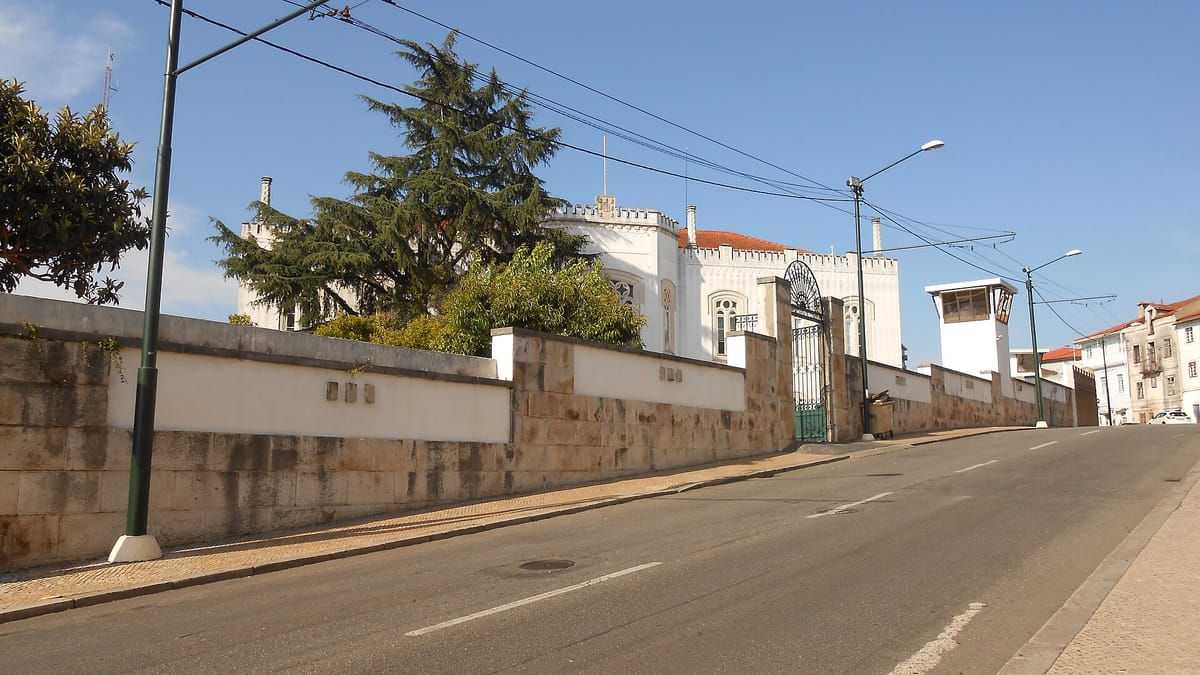
More than 150 prisoners at the Estabelecimento Prisional do Porto, the jail at Custóias in Matosinhos, have signed a collective complaint about the food. A separate complaint sent to the prison's management reports recurring bouts of gastroenteritis that the signatories attribute to the quality of what they are served. RTP Antena 1 reported both on Sunday.
The prison's reply, as reported, is that its nutritionist makes periodic visits and had found no irregularity, but that the matter has been passed to the competent services. The Direção-Geral de Reinserção e Serviços Prisionais (Directorate-General for Reintegration and Prison Services), which runs the system, had also been contacted. Vítor Ilharco, secretary-general of the Associação Portuguesa de Apoio ao Recluso (Portuguese Association for Prisoner Support), went further than the Custóias signatories and called the food undignified and insufficient in every prison in the country.
What the law asks for
Prison food is not a matter of discretion in Portugal. Article 31 of the Código da Execução das Penas e Medidas Privativas da Liberdade (Code on the Execution of Sentences and Custodial Measures), approved by Lei n.º 115/2009, requires the prison to provide meals "in quantity, quality and presentation" matching dietary requirements and the prisoner's age, state of health, the nature of any work performed, the season and the climate, as well as philosophical and religious convictions. The same article puts the duty of quality control, and of checking composition and nutritional value, on the prison service itself, and requires that drinking water be permanently available.
That is a demanding standard, and it is the standard against which a complaint of this kind is measured. The nutritionist's visits go to the second paragraph of Article 31. The signatories' claim goes to the first.
What a signed complaint actually triggers
The procedure is set out in the Regulamento de Queixas e Requerimentos da População Reclusa (Regulation on Complaints and Applications by the Prison Population), approved in September 2021 to operationalise Article 116 of the Code. It converts a petition into a clock.
Complaints may be made orally or in writing. Written ones go into a locked box on each wing, opened daily on working days, with a second box reserved for health matters. Every complaint is registered with an entry number and a date, and routed to the competent service the same day. A reply should follow within 30 days, in writing where possible, addressing every point raised. The prisoner is formally notified and given a copy, and told they may appeal to the prison director within 15 days; the director then has 20 days. If that fails, the prisoner has five working days to escalate to the director-general through the audit and inspection service. Complaints must be brought within three months of the facts, subject to an exception for serious cases. And the regulation states, as one of its governing principles, that no prisoner may be penalised for complaining. Nothing in the scheme stops a prisoner writing directly to the director-general, to the inspection service, or to any outside body.
The building around the complaint
Custóias is not a small or quiet prison. The DGRSP's own record gives it a capacity of 686 places, classifies it as high security and rates its management complexity as elevated. Its population is mostly remand prisoners from Porto, plus convicted prisoners from the north waiting to be transferred to a prison where they will serve their sentence. That is a population that churns, which makes 150 signatures on one document a harder thing to assemble than it sounds.
It is also a system already under external scrutiny. Portugal remains before the Council of Europe's Committee of Ministers over prison conditions, with September 2027 set as the deadline for tangible progress, and this summer produced its own run of prison stories, from the six-month guard strike at Vale de Judeus to a national ban on protein supplements.
The thirty-day clock is the thing to watch. Either a written answer arrives that addresses the points raised, or the 150 have an appeal route and the dates to use it.