More Than 100 Amadora-Sintra Nurses Keep Their Responsibility Waiver in Place, Calling 13 New Hires Too Few
The nurses filed the escusa de responsabilidade in late July over overcrowding, thin medical cover and waits reported as long as 26 hours. The Ordem dos Enfermeiros calls the hospital's 13-nurse reinforcement an important response but not a fix.
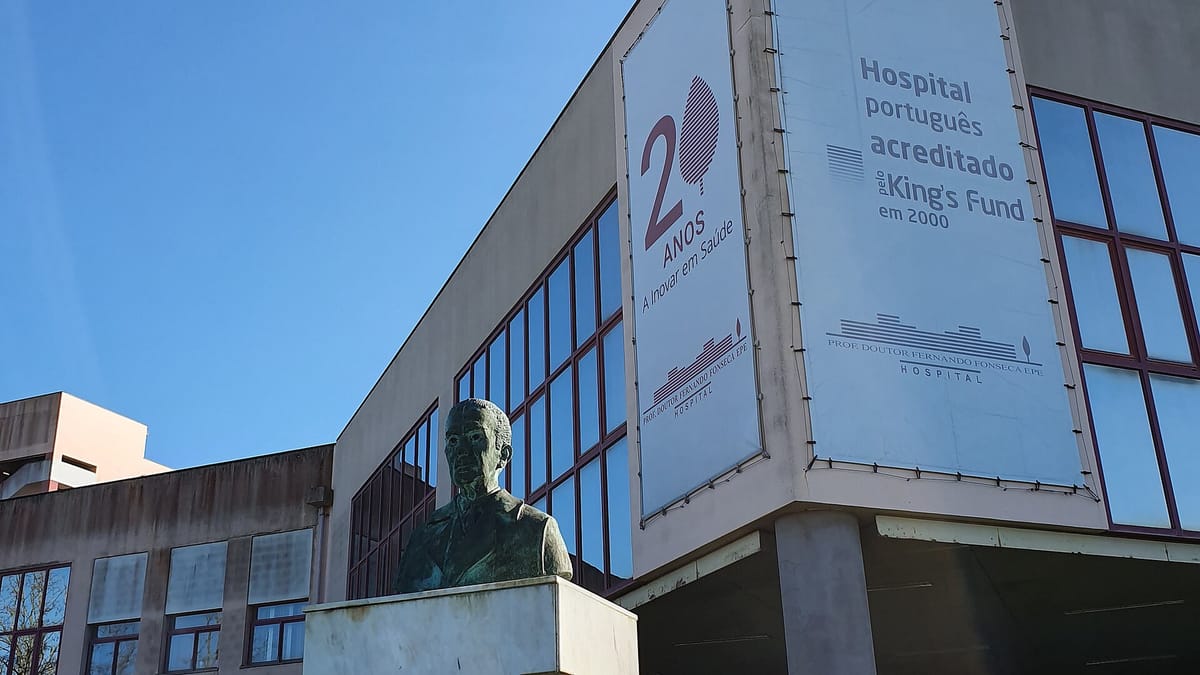
More than a hundred nurses in the emergency department of the Hospital Professor Doutor Fernando Fonseca, the Lisbon-region hospital everyone calls Amadora-Sintra, have told their employer in writing that they can no longer be held responsible for what happens on their shifts. The Ordem dos Enfermeiros, the nursing regulator, said on Friday that the hospital's announced staffing reinforcement does not fix the problem, and that the declaration stays in place.
What an escusa de responsabilidade is
The declaracao de escusa de responsabilidade is a formal statement filed with an employer in which professionals disclaim liability for outcomes arising from conditions they can neither control nor correct. It is not a strike and not a refusal to work. The nurses stay on the ward and keep treating patients; what they are doing is creating a documented record that the conditions were flagged in advance, which matters if a case later reaches a disciplinary board or a court.
The nurses filed theirs in late July, citing daily overcrowding in the ambulatory area, insufficient medical staffing across the department's functional areas and waiting times that have grown worse since the clinical director left at the end of February. One nurse described urgent patients waiting up to 26 hours, against a Manchester triage standard that says they should be seen within one hour. On the day the declaration was reported, first-consultation waits at the hospital were running beyond nine hours.
Thirteen nurses, and why the Ordem is unconvinced
The ULS Amadora-Sintra says a reinforcement is under way: six nurses hired in August under service-provision contracts and seven more in September on employment contracts, thirteen in total. It also says it is recruiting a new emergency department director and additional doctors.
The Ordem dos Enfermeiros carried out a follow-up visit to the department. Angelo Marinho, of its Southern Region directive council, called the reinforcement "an important response" but said it does not resolve the problem over the medium and long term, noting that some of the new posts are temporary service contracts rather than permanent jobs. His summary of where things stand: "The declaration of excusal will be in force for as long as these conditions persist."
The distinction he is drawing is not a technicality. A prestacao de servicos contract is freelance work, typically paid by the shift, without the career progression, sick pay or pension accrual of an SNS employment contract. Hospitals reach for it when they need bodies quickly; it does not build a stable team, and it is a familiar pattern in a system where the health minister has argued emergency waits are better than two years ago.
A hospital with a history
Amadora-Sintra serves one of the densest and fastest-growing catchments in the country, covering the Amadora and Sintra councils. In January its nursing director resigned over pressure in the emergency department, and more than a hundred emergency nurses filed responsibility waivers then too. This is the second such round in eight months.
It is also the hospital whose emergency department disappeared from the SNS waiting-time portal for over a month, leaving patients in the region's most pressured unit unable to check before setting out whether it was worth going.
What this means for you
- If you live in Amadora or Sintra: the department is open and staffed. The declaration changes the legal position of the nurses, not the service you receive.
- If your case is not urgent: call SNS 24 on 808 24 24 24 first, or try a USF or centro de saude. Non-urgent presentations are a large part of what fills the ambulatory area.
- If you have private insurance: for anything that is genuinely not an emergency, a private urgencia will be faster. For a real emergency, 112 and the nearest public unit remain the right call.
- If you are a nurse considering the same step: the escusa is a professional instrument recognised by the Ordem. It protects you only for conditions you have documented and cannot remedy yourself.