Portugal's Health Minister Calls Emergency-Room Waits Better Than Two Years Ago, a Day After They Topped Eleven Hours
On 14 August, Health Minister Ana Paula Martins said emergency-room waits are better than two years ago — a day after the SNS's own live data showed patients queuing over eleven hours at a Lisbon-area hospital, and as interior obstetric emergency rooms kept closing for the summer.
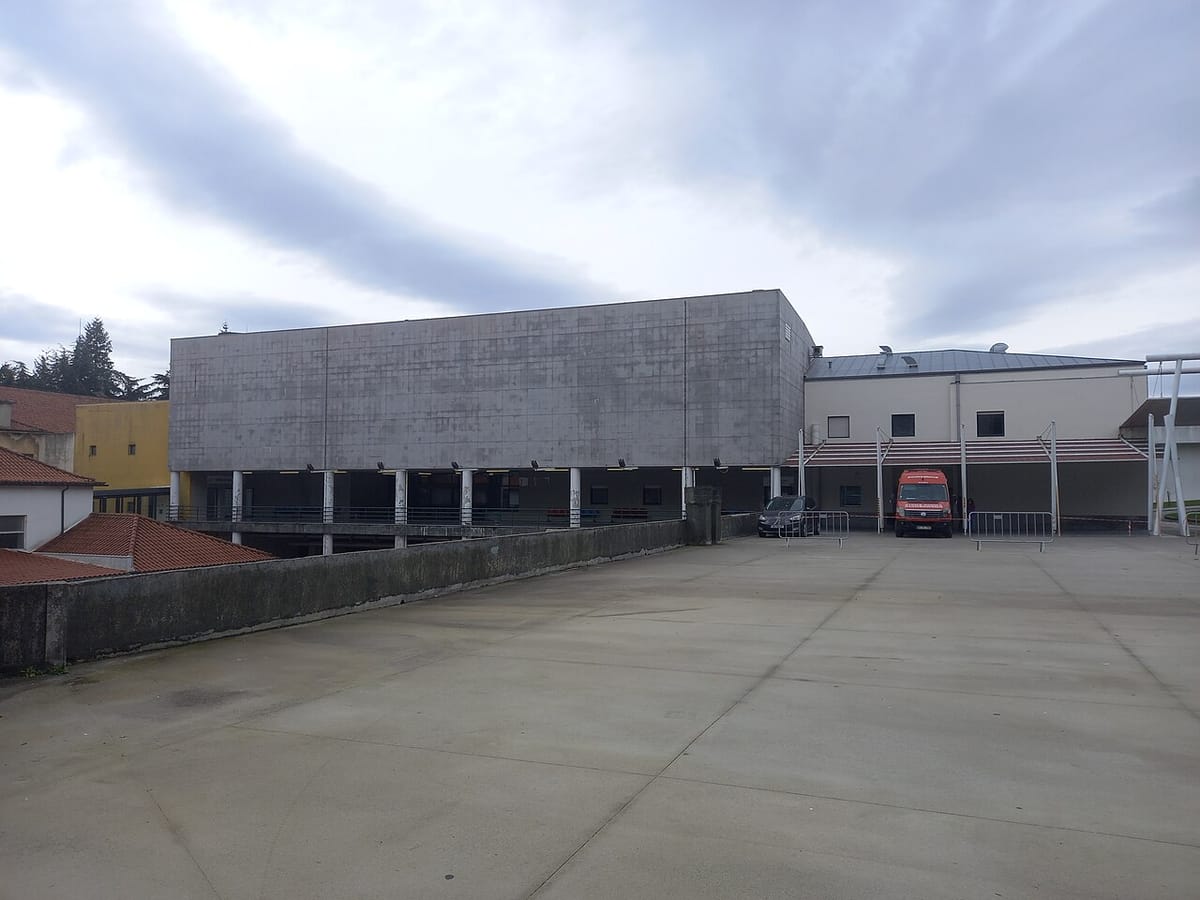
On Wednesday, the live waiting-time figures published by Portugal's own public health service showed patients queuing more than eleven hours to be seen at one Lisbon-area emergency room. On Thursday, the Health Minister told reporters that waiting times at the country's urgências (emergency departments) were "better than two years ago." Both statements are true, and the gap between them captures the state of summer emergency care in the SNS (National Health Service).
Health Minister Ana Paula Martins made her comments on Thursday, 14 August during a visit to the Faro Hospital in the Algarve. She did not dispute that queues are long — she called the delays at several services "unacceptable" and "undesirable" — but insisted the overall picture had improved on previous years, when, by her account, ten or twelve emergency rooms were "truly closed" at a time.
What the numbers showed the day before
The context for her remarks was a snapshot taken from the SNS's public tempos de espera (waiting times) portal at 08:45 on Wednesday, 13 August, and reported by the business daily ECO and by public broadcaster RTP. At the Hospital Nossa Senhora do Rosário in Barreiro, south of Lisbon, the average wait to a first medical observation topped eleven hours; patients triaged as "urgent" — who are supposed to be seen within 60 minutes — were waiting around six.
Barreiro was the worst, but not alone. Lisbon's Hospital de Santa Maria and Almada's Hospital Garcia de Orta were both above seven hours, and Portimão in the Algarve was over four. The SNS triage system sets targets of 10 minutes for the most urgent (orange) cases, 60 minutes for urgent (yellow) and 120 minutes for less urgent (green) — thresholds that several hospitals were missing by a wide margin on the day.
The closures the minister was measured against
Much of the government's case rests on emergency-room closures, and here it has a genuine number to point to: the minister said that for the mid-August weekend, four obstetric emergency rooms were shut this year against eight in 2024. That figure comes from her own briefing and should be read as the government's account rather than an independent tally.
Even so, the closures have not gone away. The obstetrics and gynaecology emergency room in Portalegre, in the interior Alentejo, was closed for some 56 hours in late July for lack of obstetricians, and was set to close again from 16 to 18 August — the very weekend after the minister's reassurance. Santarém shut its obstetric emergency room for several days in July, and Leiria's Hospital de Santo André restricted its obstetric service through the first half of August to pregnant women referred by the ambulance service INEM (National Institute of Medical Emergency). For an expectant mother in one of those districts, the redirection to a hospital an hour away is the reality behind the statistics.
Rules, plans and the staffing squeeze
Since 1 May 2025, an emergency room can only close with the authorisation of the Direção Executiva do SNS (SNS Executive Board), a rule meant to end the ad-hoc shutdowns of previous summers. This year's response is governed by the National Seasonal Health Preparedness and Response Plan, whose summer phase runs to the end of September, with the lowest tier of contingency measures activated in the hottest districts. The minister has argued repeatedly that fully staffing every emergency room around the clock would require roughly double the current full-time-equivalent medical staff — a shortage that no summer plan can conjure away.
Doctors' representatives are unconvinced. The medical federation FNAM has said bluntly that this minister "is leaving the SNS worse than she found it" — a standing criticism rather than a specific reply to Thursday's remarks, but one that frames how the profession reads the government's optimism. What is not in dispute is that the summer peaks the minister acknowledged "can happen again" are still happening.
What this means for residents
- Check before you go: The SNS publishes live emergency-room waiting times at its tempos de espera portal. If your case is not life-threatening, it is worth comparing hospitals — waits varied from under three hours to over eleven on the same morning.
- Know the triage colours: You are seen by clinical priority, not arrival order. Orange (very urgent) targets 10 minutes, yellow (urgent) 60, green (less urgent) 120 — a green wristband on a busy day can mean a very long wait.
- Pregnant and near your due date? Obstetric emergency rooms are the ones most likely to close at short notice this summer, especially in interior districts. Confirm your maternity hospital is open before travelling, and call SNS 24 (808 24 24 24) or 112 if in doubt.
- Non-urgent care: For minor problems, SNS 24 and your local centro de saúde (health centre) can spare you the emergency-room queue entirely.
The minister's claim and the eleven-hour wait are not really in contradiction: the system may well be less broken than it was two years ago and still be leaving patients waiting half a day, and pregnant women driving to the next district. Whether "better than before" is good enough is the argument Portugal will keep having until the staffing gap closes.