Montenegro Summons the Socialist and Chega Leaders to São Bento on Thursday to Seek a Housing Deal, and Warns Against "Importing" Violent Protest
In a televised address after three weeks of housing protests, the Prime Minister invited Carneiro and Ventura to talks on Thursday and sent ministers to the other parties. The rental law is still in Parliament, so current rules apply. How the parties and camps reacted.
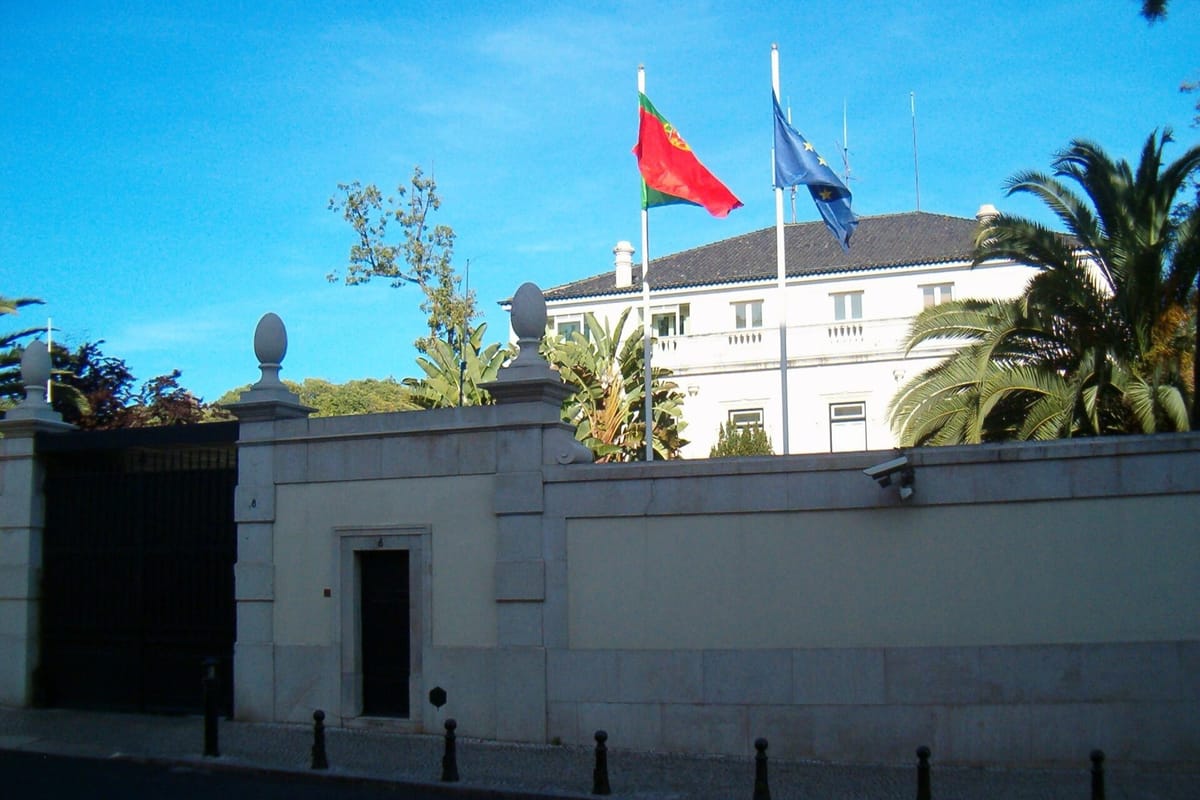
Prime Minister Luís Montenegro will meet the leaders of the two largest opposition parties, José Luís Carneiro of the Partido Socialista (PS, Socialist Party) and André Ventura of Chega, at São Bento on Thursday 5 November to hear their proposals on housing. He announced the meetings in a televised address to the nation from his official residence at 20:00 on Tuesday, after more than three weeks of housing protests and tent camps in Lisbon and Porto that police have broken up three times.
"I spoke to the leaders of the two largest parties and invited them to come with their teams to present their ideas and proposals," Montenegro said, according to Jornal de Negócios. He said the aim was to find solutions that last, and that the widest possible agreement was needed for the rental law to be "durable", ECO reported.
Talks with every party, but no "auction"
The talks will not stop at the PS and Chega. Montenegro said he had asked the Finance Minister, Joaquim Miranda Sarmento, and the Infrastructure and Housing Minister, Miguel Pinto Luz, together with the Presidency Minister, António Leitão Amaro, and the Parliamentary Affairs Minister, Carlos Abreu Amorim, to hold "equal dialogue" with the other parties in Parliament.
He said he remained open to ideas from parties, associations, experts and citizens, but would not join "an auction of proposals" that, in the heat of the moment, would produce "much more demagoguery than benefit". The Government plans to invest 10 billion euros in public housing by 2030, he said, and that means making choices: there are no "free" decisions or public policies.
What it means for the rental law
The dialogue, Montenegro said, follows the legislative process on renting that is now before Parliament. That process is the Government's request for authorisation to rewrite the urban rental rules by decree. It passed its first vote with Chega's support, while the PS voted against. Chega has since backed away after the protests and set out conditions for keeping its support, Jornal de Negócios noted. We explained where the rewrite stands in October, and Montenegro refused to shelve it on the first day of the budget debate.
For tenants and landlords, nothing changes yet. The bill is still in Parliament, and until a new decree is approved and published, the current rental rules apply.
Carneiro said he would take the PS housing programme to Thursday's meeting. That includes a public guarantee for landlords and tenants, which he said the party is willing to adjust "to reach an agreement", and a moratorium for tenants whose leases run out by the end of this year, among them "many families with children and many thousands of elderly people", according to Lusa via Notícias ao Minuto. He will also propose using the housing institute IHRU's properties, with councils exempted from debt limits so they can restore homes; ending bank fees on early loan repayment for young people and families; and a capital gains tax exemption for owners who sell homes into the permanent housing market. These are opposition proposals, not Government measures.
On the protests
Montenegro said he did not underestimate the protests and that the Government listens "above all to the content" of what people are asking for. Portugal is "a peaceful country" where people can exercise the rights of assembly, demonstration and free expression, he said, but also the rights to free movement, to "peace and quiet", to order, to safety and to the upkeep of public space. "There is no reason in Portugal to import models of violent protest," he said, adding that "everything must be done to avoid any unwanted confrontation".
Asked about the Lisbon administrative court ruling that let one protester keep a tent on the Rossio, he said he hoped "everyone knows how to interpret not only the ruling, but the whole legal and constitutional structure of the country". He also rejected criticism of his silence over the protests, saying he had spoken four times since they began. "I have the right and the duty to govern. I am not a commentator," he said.
How the opposition and the camps reacted
- PS: "Better late than never. Finally, the Prime Minister has recognised" that the crisis "cannot have a police solution", Carneiro said. He credited President António José Seguro with unblocking the dialogue.
- Chega: in a statement, the party said it "will not give up fighting for affordable housing and the unconditional defence of the security forces", ECO reported.
- Livre, Bloco de Esquerda (Left Bloc) and PAN: they regretted that Montenegro neither withdrew the rental changes nor apologised for the police charges, and Livre said talking mainly to two parties sidelines the rest of Parliament. The PCP (Communist Party) warned of an "empty dialogue", Lusa reported.
- Iniciativa Liberal: its leader, Mariana Leitão, called it a "pathetic press conference" on X, saying her own invitation to all parties two weeks ago was turned down, according to Lusa.
- The camps: a spokesperson for the Porto camp called the talks "a partial victory", although he said neither the PS nor Chega shares the protesters' demands. The Porto assembly of about 150 people voted to stay on Praça D. João I. The Lisbon camp said the announcement does not answer its demands and that it will keep up the fight, Lusa reported.
The Lisbon camp had voted to return to the Rossio on Tuesday night, as we reported this morning. Parliament's final vote on the 2027 budget is on 24 November.