Montenegro Refuses to Shelve His Rental Law on Day One of the 2027 Budget Debate, as Parliament Votes Today With the Socialists Abstaining
Parliament votes on the 2027 budget at first reading today. On day one, Montenegro refused to drop his rental law, the PS kept its abstention and asked for IHRU homes to go to councils, and Chega restated its terms. Comments on the bill can go to Parliament until 4 November.
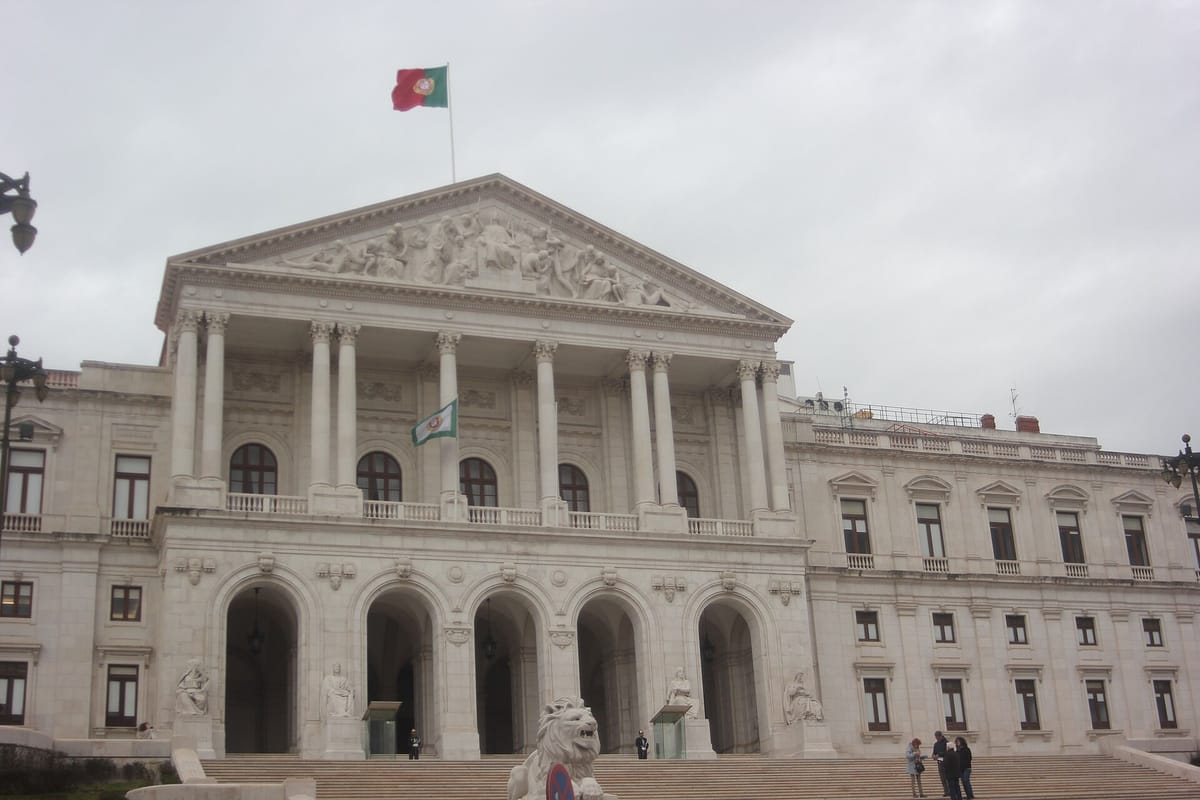
Parliament votes on the 2027 State Budget at first reading (na generalidade) today, Wednesday 28 October, after a first day of debate that was almost entirely about housing. The Prime Minister, Luís Montenegro, refused the opposition's demand to shelve his rental law, and the budget itself is still certain to pass this stage: PSD and CDS-PP vote for it and the Socialists (PS) abstain.
Today's vote
The debate resumes at 10:00, Jornal de Negócios reports, and the vote follows the closing speeches in the afternoon sitting (the full timetable is in our 27 October piece). PCP and BE have confirmed they will vote against; Chega and IL had not formally announced a vote but had signalled a no, and Livre, PAN and JPP had not said, Observador reported before the debate.
The PS leader, José Luís Carneiro, ruled out any change of heart on Tuesday evening. Toppling the budget, he said, would leave the country on monthly stopgap spending and hand the Government an excuse: "we will not do the Government that favour, and we will not do the country that harm", he told reporters in Setúbal, Lusa reported via Observador.
What day one said about the rental law
Nothing changed on the rent reform. The Government's request for powers to rewrite the urban lease regime passed its own first vote and is waiting for committee work (where it stands). In the chamber:
- Montenegro held his ground. "We are not promoting any easing of evictions. We want faster resolution of disputes, so that there is more confidence in the market," he said, RTP reported. He asked how anyone could blame "a new rental law that has not even been approved" for the crisis.
- The PS asked for it to be dropped and for the Government to transfer properties owned by the housing institute IHRU to councils, with money to renovate them. Carneiro got no answer on the IHRU idea, according to Negócios. Speaking to reporters afterwards, he also attacked the 2,300 euro ceiling for a "moderate" rent, the limit under which landlords would pay 10 percent income tax on rents instead of 25 percent (ECO): "Who in this country can pay a moderate rent of 2,300 euros?"
- Chega's price was restated. Its MP Marta Silva said that if the PSD keeps its written deal with Chega there will be "no wild evictions, no wild rent increases, no unlimited deposits, no unlimited rents". For BE, Fabian Figueiredo warned that ending the cap on deposits could mean families paying 5,000 euros "just to open the door".
- Policing. Montenegro opened by saying the PSP had been "especially careful and competent" in restoring order. Ventura asked where he had been "all this time"; "working", the Prime Minister replied. The inquiries into the camp clearances continue (background).
Montenegro did say the Government would accept some opposition amendments at the detailed stage, "as we have done in previous years", in reply to PAN's Inês Sousa Real.
What happens next, and how to have a say
Nothing in the budget applies until the final vote on 24 November, and every line can still be amended. Committee hearings with ministers run from 29 October to 6 November. Parliament is also taking public input: according to the Assembleia da República, anyone may send written comments on the bill to the Budget, Finance and Public Administration Committee (COFAP) until 4 November, or ask it for a hearing by 30 October. Housing money is one of the obvious pressure points: the bill plans far less structural housing investment as recovery funds run out (our report).