Montenegro Rebukes Spain's Migration Policy While Defending Portugal's 'Dignity Without a Pull Effect' Approach
Speaking as EU interior ministers met over the Ceuta crisis, PM Luís Montenegro criticised policies that create a 'pull effect' and defended Portugal's orderly-but-humane line. Lisbon still declined to back a call to suspend Spain from Schengen.
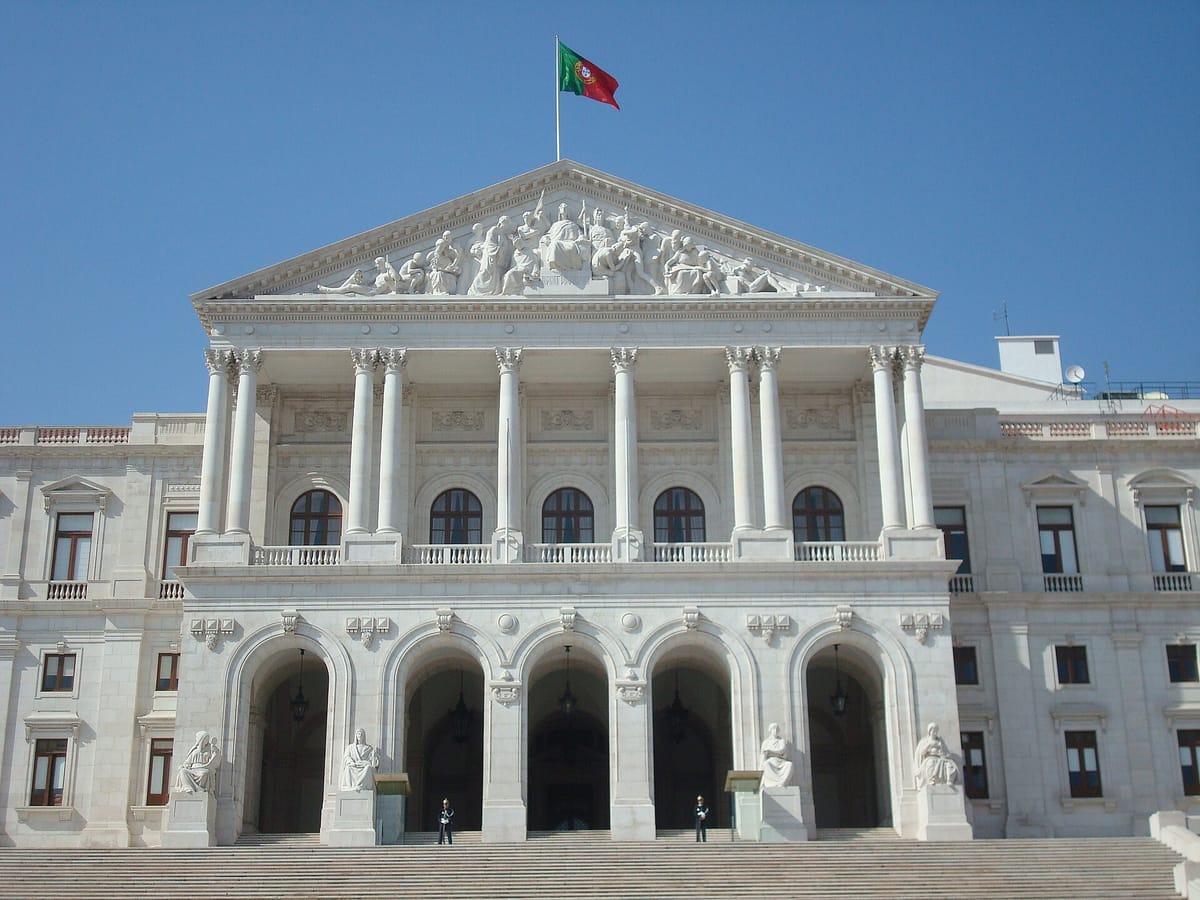
Prime Minister Luís Montenegro drew a pointed contrast between Portugal and its neighbour on migration this week, defending his government's approach as firm but humane while warning that policies elsewhere in Europe risk drawing people the state cannot properly receive. Speaking on Monday at the inauguration of a private healthcare facility, Montenegro said that "some insist on adopting policies that often have a call effect, attracting people without providing conditions to welcome and integrate them" — a criticism widely read as aimed at Spain.
"In Portugal we are doing what must be done," the prime minister said, "creating conditions so people have dignity when they come to Portugal." The formula — orderly rules paired with an insistence on dignity, and a rejection of what Portuguese officials call the efeito de chamada (pull effect) — has become the government's shorthand for a middle path between open borders and hard closure.
The remarks came as interior ministers from the 27 European Union member states held an emergency videoconference over a migration surge at Spain's North African enclave of Ceuta. Portugal was represented by the Minister of Internal Administration, Luís Neves, who argued that national immigration policies "produce effects beyond each member state's borders," and that unilateral measures in one country can generate pull factors felt across the bloc. According to reporting on the meeting, the ministers agreed to reinforce the EU's external borders and to strengthen mechanisms for returning migrants who have no right to remain.
The implicit target of Lisbon's message is Madrid. Spain legalised a large number of irregular immigrants earlier this year, and its courts have restricted the use of rapid deportations at sea — moves that some other governments argue amplify the incentives for irregular crossings. Even so, Portugal has been careful not to turn disagreement into rupture: it declined to sign a letter, circulated by some member states, demanding that Spain's participation in the Schengen free-movement area be suspended, expressing solidarity with its neighbour instead.
That balancing act reflects the domestic politics of the issue. Migration has moved to the centre of Portuguese debate over the past two years, and the government has sought to project control — tightening procedures and clearing backlogs at the Agência para a Integração, Migrações e Asilo (Agency for Integration, Migration and Asylum, or AIMA) — without adopting the confrontational rhetoric of harder-line parties. By framing its policy around dignity and integration, the executive is trying to hold a position that satisfies voters anxious about numbers while avoiding the language of exclusion.
For the many foreign residents who have made Portugal home, the signal from this week is one of continuity rather than upheaval. Montenegro's message was not that fewer people should come, but that those who do should arrive through channels the state can manage and into conditions it can guarantee — a distinction the government insists sets its approach apart from the improvisation it sees elsewhere. Whether that model can withstand the same pressures now testing Spain is a question the coming months, and the next surge at Europe's southern edge, will answer.