Monção-Melgaço Alvarinho Producers Draw €6+ Million in Vineyard Investment as Anselmo Mendes Books €5.5M Revenue, Soalheiro Ships 480,000 Bottles to 55 Markets and Grape Prices Hit €1.20/kg
The Alvarinho boom in Monção-Melgaço delivered 12 million litres of 2025 wine across 1,514 hectares. Anselmo Mendes' €2M Quinta da Torre, Soalheiro's €1M press hall and the Quinta do Louridal €3M enoturismo project anchor a producer wave with grape prices at €1.20/kg.
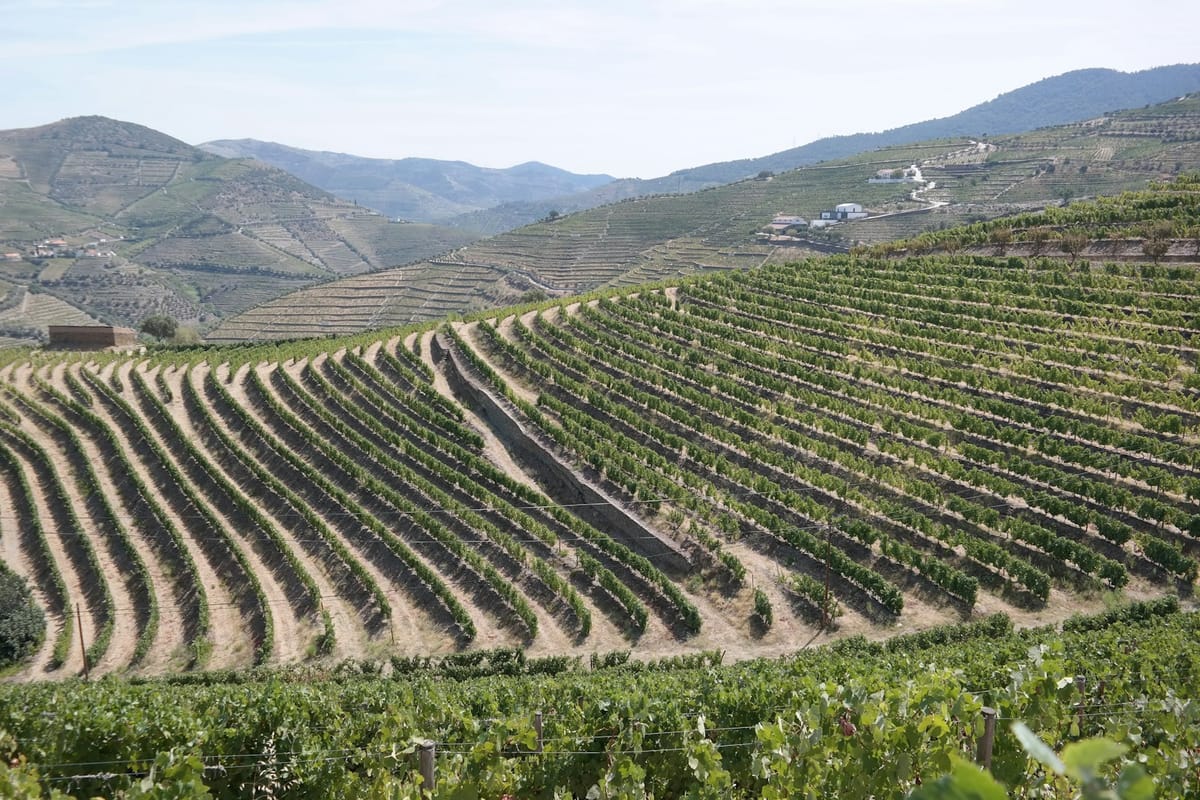
The Monção-Melgaço sub-region of the Vinhos Verdes (Green Wines) Demarcated Region tipped 12 million litres of wine across the 2025 harvest, an output drawn from 2,000 hectares of total vineyard, of which 1,514 hectares are planted to the Alvarinho varietal and 213 to red grapes. The varietal’s grape price now sits at €1.20 per kilogram — among the highest paid in Portugal — and is the engine of a producer investment cycle that ECO’s 10 June reportage values at well over €6 million across the named projects alone.
Anselmo Mendes, the producer who built Quinta da Torre as a working museum and pioneering Alvarinho project, ran €5.5 million in 2025 revenue — of which €3.5 million, or about 70%, came from exports — on 800,000 litres of bottled wine. Mendes told ECO he expects 2026 growth of 5% to 10% and confirmed a fresh €2 million rehabilitation programme already underway, with a planned €300,000–€400,000 layout to recover 15 hectares of rare varietals on the estate. The market for Mendes’ Alvarinho already runs into the United States, Brazil, Canada and Germany, with the United Kingdom and the Nordics expanding.
Soalheiro, the second pillar of the Monção-Melgaço cluster, posted €7.5 million in 2025 revenue and 1.2 million bottles, of which roughly 40% — about 480,000 bottles — ship to 55 export markets. The producer is finalising a €1 million investment in a new pressing facility to take the 2026 vintage. Quinta do Louridal has gone further: a €3 million enoturismo (wine-tourism) project anchored by a four-star rural lodge is scheduled to open in 2027, layering hospitality revenue onto a wine that has historically been valued for ageing potential and balanced low-alcohol structure.
The trade pattern is consistent with broader Portuguese wine export performance — Portuguese wines climbed into a near-tie with Argentina for second place in Brazilian imports in the May 2026 import data — and reflects what producers describe to ECO as a “paradigm shift” toward lighter, fresher whites with ageing structure and lower alcohol content. That shift, internationally, favours coastal Atlantic whites with the granite-and-rain profile of Vinho Verde.
Smaller-scale operators paint the same picture. Quinta de Santiago closed 2025 at €600,000 in revenue and recorded €380,000 in the first four months of 2026; about 70% of its 50,000-to-60,000 bottle annual run is exported. Falua’s Quinta do Hospital line of 50,000 litres of Alvarinho ships 70% abroad. Across the cluster, the producer-side request to the Comissão de Viticultura da Região dos Vinhos Verdes (CVRVV, Vinhos Verdes Wine Commission) is for a dedicated Denomination of Origin (DO) status carved out within the Vinhos Verdes umbrella, which would let Monção-Melgaço price and brand more aggressively against international competitors. That regulatory file remains open.
What started as a single-varietal niche in the north-west granite hills has become one of Portugal’s most concentrated bursts of agro-industrial investment — and, by grape price alone, the highest-paying vine in Portugal.