Meal Card Tax-Free Limit Set to Rise to 10.71 Euros a Day in 2027 as the Public-Sector Allowance Climbs
The tax-free ceiling on meal allowances paid by card is due to rise from 10.455 to 10.71 euros a day in 2027, tracking the civil-service allowance. About 2.4 million workers were paid this way in 2025.
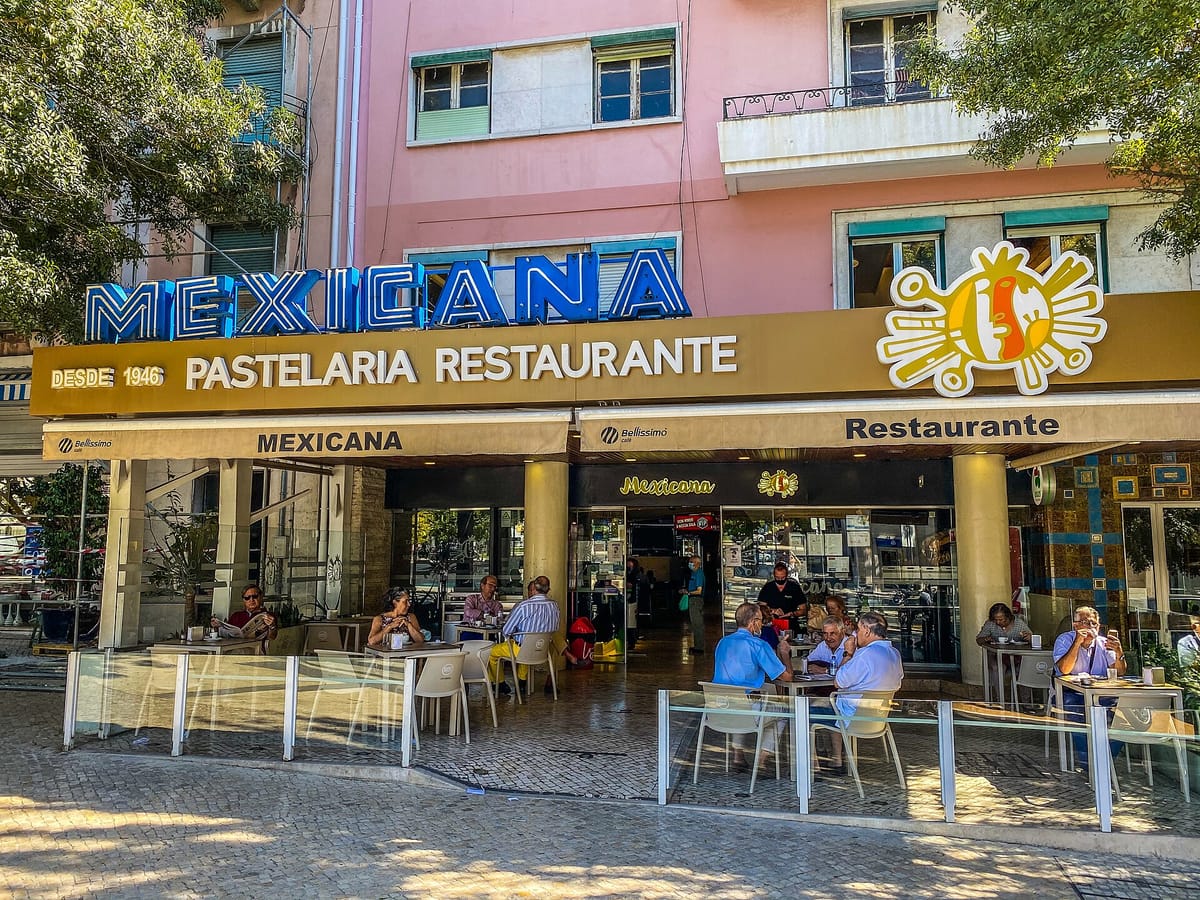
Workers who get their meal allowance on a meal card are set to receive more of it free of income tax in 2027. The tax-free daily ceiling for allowances paid by card or voucher is due to rise from 10.455 euros to 10.71 euros, because it is tied to the public-sector meal allowance.
Figures from the Autoridade Tributária e Aduaneira (AT, the Tax and Customs Authority), given to Lusa, show that 4.7 million workers received a meal allowance in 2025, with a tax-free portion totalling 5,876.6 million euros. Of those, 2.4 million received it through meal vouchers or cards, worth 2,760.3 million euros in all.
Why the card limit moves on its own
Article 2(3)(b)(2) of the Código do IRS (Personal Income Tax Code) treats the meal allowance as taxable income only "in the part that exceeds the legal limit", or the part that exceeds that limit by 70 percent when it is paid through meal vouchers. The legal limit is the daily allowance paid to civil servants (see our report on public-sector pay).
That figure is 6.15 euros this year, set by Portaria n.º 51-B/2026/1, which took effect on 1 January 2026. So an allowance paid in cash with the salary is tax-free up to 6.15 euros a day, and one paid on a card up to 10.455 euros (6.15 plus 70 percent).
The Acordo Plurianual de Valorização dos Trabalhadores da Administração Pública 2026-2029 (multi-year public-sector pay agreement), signed by the government and unions on 21 January, provides for a gradual 10 percent rise in the daily allowance to 6.60 euros in 2029, according to the government's announcement. The communiqué of SINTAP, one of the signatory unions, gives the steps: 6.30 euros in 2027, 6.45 euros in 2028 and 6.60 euros in 2029, with the option of reviewing them if consumer prices change substantially.
At 6.30 euros, the card ceiling becomes 10.71 euros a day. On the agreed path it reaches 10.965 euros in 2028 and 11.22 euros in 2029.
Not automatic until the ordinance is out
The agreement itself does not change the allowance. The 2026 rise needed its own ordinance, published on 30 January and backdated to 1 January, and the decree-law on 2026 public pay notes that the meal allowance is "regulated by portaria". The 2027 figure will apply once a new portaria fixes it at 6.30 euros. Lusa described the increase as planned by the government.
What to check on your payslip
- Cash or card. Your employer decides. Paid with your salary, it is tax-free only up to the public-sector figure (6.15 euros now, 6.30 euros once the 2027 rise is set); on a card, up to 70 percent more.
- The amount above the limit. Anything paid above the ceiling is taxed as salary. It also counts for social security contributions, because article 46 of the Código Contributivo (Social Security Contributions Code) applies to the meal allowance "in the same terms" as the IRS Code.
- Whether you are entitled at all. As Lusa noted, the Labour Code does not oblige private employers to pay a meal allowance. It becomes compulsory where a company agreement or a sector collective agreement provides for it, and the government can extend a sector agreement to workers outside it by an extension ordinance, as it recently did for charity care workers.
- Agreements pegged to the limit. According to Lusa, some company and collective agreements set the allowance at the maximum tax-free amount, so it rises each 1 January when the public-sector figure does. If yours says that, expect the 2027 increase to reach your card.