Matosinhos Will Borrow €40 Million to Build 500 Affordable-Rent Homes Rather Than Wait for the Government's Share
Luísa Salgueiro says the council is fronting money that belongs to central government. The loan goes before the executive on Wednesday, funds 500 homes on municipal land including one development reserved for under-35s, and also pays for seven estates totalling 1,173 dwellings left out of the PRR.
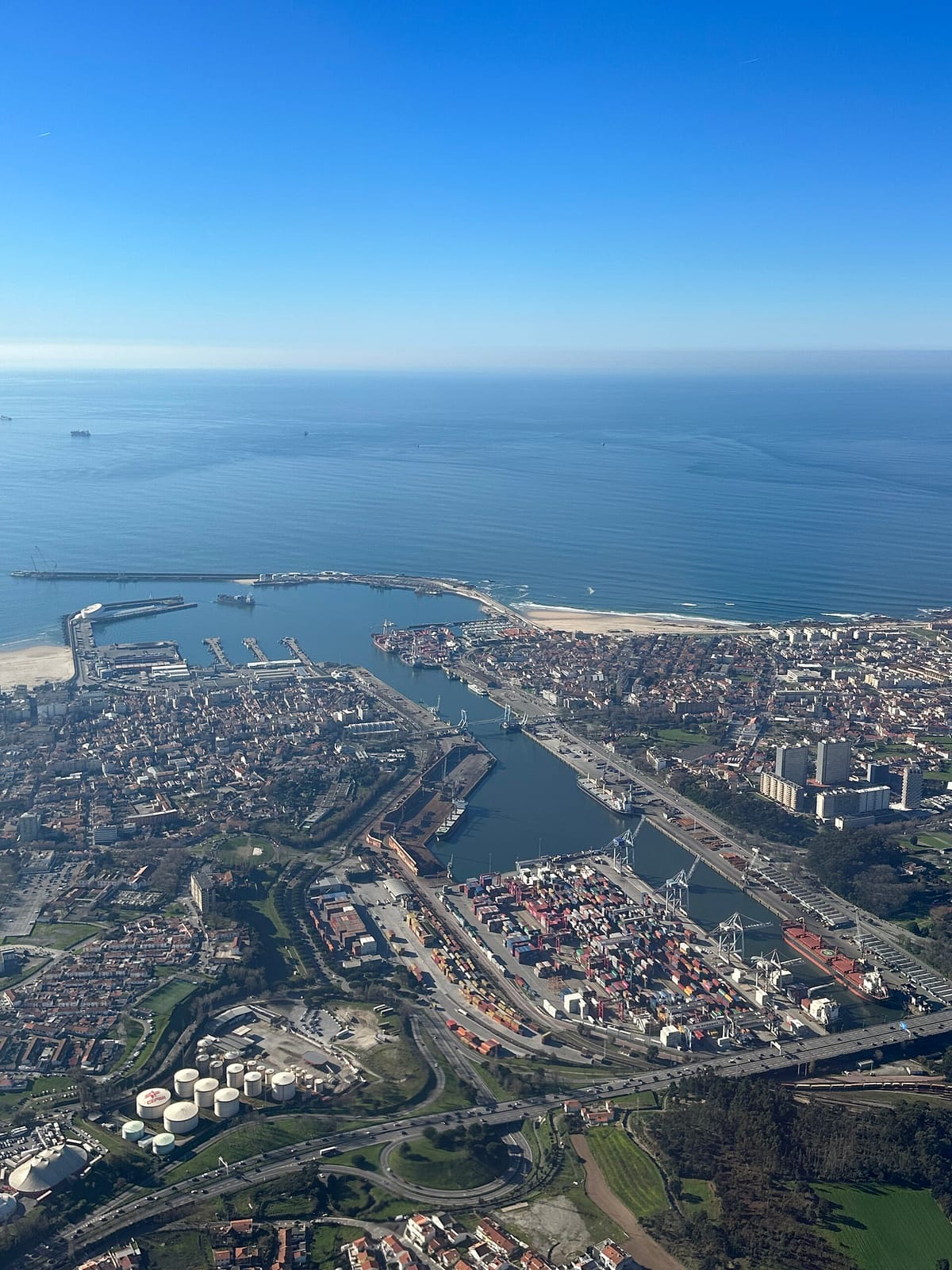
Matosinhos will go to the banks for €40 million to build 500 affordable-rent homes, mayor Luísa Salgueiro told Lusa on Friday, describing the loan as the council fronting money that is properly the central government's to spend. "We are a municipality that, besides delivery capacity and good teams, has financial capacity. So we are going to take out a loan, we are going to the banks," she said.
The request goes before the council executive at its next public meeting, scheduled for Wednesday. More than 200 of the 500 homes fall under the Instituto da Habitação e da Reabilitação Urbana (IHRU, Institute for Housing and Urban Rehabilitation), and Salgueiro expects to recover over €20 million of the €40 million, the 60 percent share that is the state's responsibility, which the council would then redirect into other investments.
Not the same product as before
The distinction between two rent categories matters here. Everything Matosinhos has built so far has been renda apoiada (supported rent), the means-tested social product. These 500 will be renda acessível (affordable rent), aimed at middle-income households priced out of the private market but earning too much for social housing. One of the developments will be reserved exclusively for people under 35, a group Salgueiro described as currently unable to leave the family home.
All of it goes on municipal land, and she estimates three to four years to completion. The same loan will fund the rehabilitation of seven housing estates totalling 1,173 dwellings that were left out of the Plano de Recuperação e Resiliência (PRR, Recovery and Resilience Plan).
Matosinhos comes to this from an unusually strong base. The council executed its PRR housing allocation at 100 percent, delivering more than 500 built and rehabilitated homes. Public housing accounts for 6 percent of the municipality's stock against a national average of 3 percent, more than 4,800 dwellings housing some 10,500 people.
The argument underneath the loan
Salgueiro, elected for the PS and serving her final term, is a former president of the Associação Nacional de Municípios Portugueses (ANMP, National Association of Portuguese Municipalities). She used the announcement to make a wider case. Councils have been "very much harmed" by the PSD and CDS-PP government's delays, she said, and housing is where it shows.
"The government is very late in many areas of what concerns its life with the municipalities," she said, arguing that building housing is the state's responsibility and not the councils'. "There was a time when the government built, but in recent decades that stopped happening." With the PRR now closing, she believes a successor housing strategy should already be running: "The whole process is very late. We should already be finishing the PRR and we should already have taken decisions, we should already be making resources available."
She made the same complaint about the transfer of school management and refurbishment works to municipalities, which she says is three years behind, with applications still unassessed and the decentralisation monitoring committee not meeting. Her conclusion is that councils with the balance sheet to cover for central government should do so, which is what the €40 million is.
What this means for foreign residents
- Who qualifies: Affordable-rent schemes are income-banded rather than means-tested at social-housing thresholds, and legal residence is normally the eligibility test rather than nationality. Rules are set per development, so watch the council's own regulamento when it publishes.
- Timeline: Three to four years to keys. This is supply that affects the 2029 to 2030 market in greater Porto, not this year's rents.
- Where to look: Matosinhos is the Porto metropolitan area's most active builder in this space, and the under-35 development is the first of its kind here. Neighbouring councils have nothing comparable in the pipeline.
- The broader signal: Municipal borrowing to cover a central-government share is a sign the national post-PRR housing programme has not arrived. Expect more councils to follow or to stall entirely, depending on their debt headroom.
The immediate context is that Portugal's recovery plan runs out of calendar on Monday, and no replacement housing envelope has been announced. Meanwhile prices keep moving: the median bank appraisal reached €2,240 a square metre in July. Matosinhos has decided that waiting costs more than borrowing. Update: in September 2026, the government added a 10-point funding top-up for delayed 1.º Direito homes that also win Portugal 2030 money, up to 95 percent of eligible costs.