MadoquaPower2X Anchors Sines's €2.8 Billion Green-Hydrogen Bet Toward a 2029 Production Start — Hytlantic FID and Neogreen €1 Billion Site Wait on the Mercado de Hidrogénio Regulatory Framework
MadoquaPower2X's €2.8B Sines green-hydrogen and green-ammonia complex anchors a Portuguese cluster now above €3B with Neogreen and Hytlantic in the pipeline. Construction starts 2027, production 2029 — with Hytlantic FID conditioned on the mercado de hidrogénio regulatory framework.
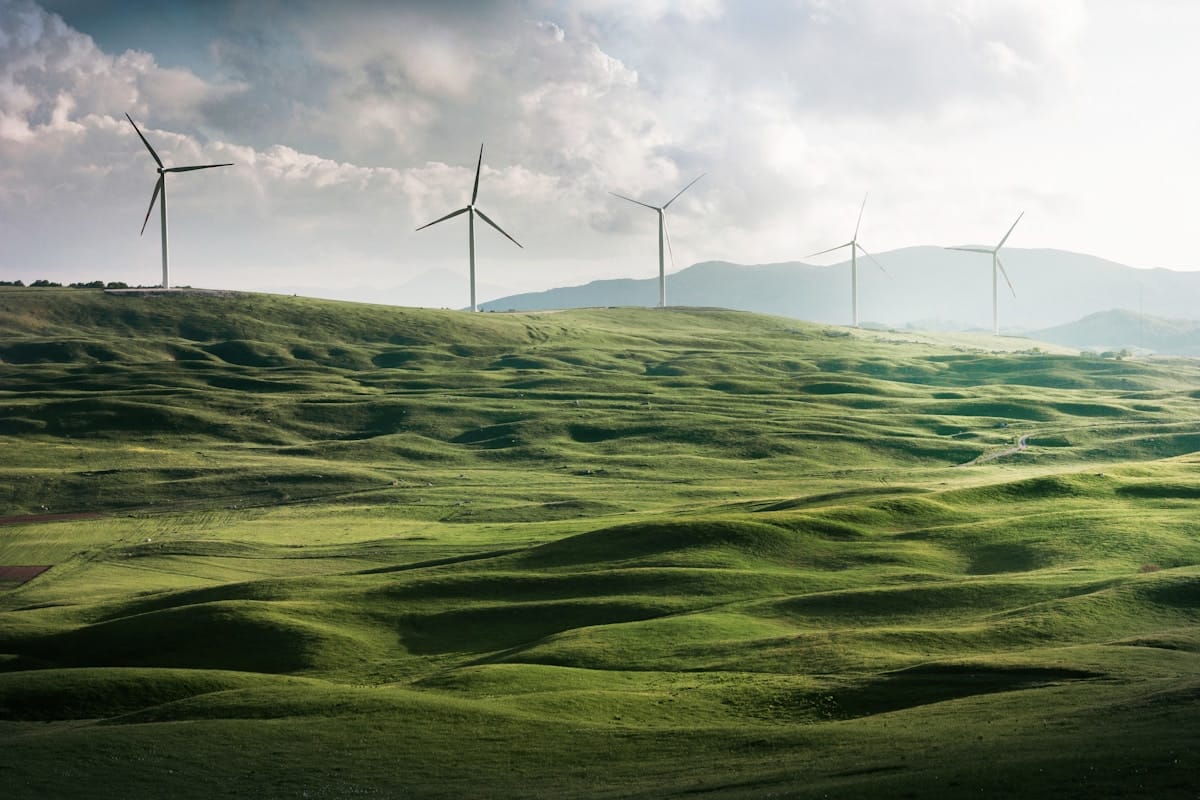
The MadoquaPower2X consortium — Madoqua Renewables of Portugal, Power2X of the Netherlands and Copenhagen Infrastructure Partners (CIP) of Denmark — has anchored the €2.8 billion green-hydrogen and green-ammonia complex at the Zona Industrial e Logística de Sines (Sines Industrial and Logistics Zone, ZILS) as the lead-investor benchmark for Portugal's Estratégia Nacional para o Hidrogénio (National Hydrogen Strategy, EN-H2). Construction is scheduled to begin in 2027, commissioning in 2028 and full production from 2029, with the project sized to deliver roughly 500 MW of electrolyser capacity at first phase and a 1 GW expansion in a second phase.
Sines's wider green-hydrogen pipeline now sums above €3 billion. The Neogreen Hydrogen project, developed in partnership with Frequent Summer, has pencilled a €1-billion-plus electrolyser site with capacity exceeding 500 MW. The Hytlantic project — backed by an EDP, Galp, REN and Martifer consortium — sits at the head of the queue, with the GreenH2Atlantic forerunner already holding the Agência Portuguesa do Ambiente (APA) environmental licence. Hytlantic's final investment decision (FID) is explicitly conditioned on a favourable regulatory framework for the creation of a green-hydrogen market — the policy lock the consortium has flagged as the unblocking step.
That regulatory framework is the next institutional checkpoint. The European Commission's Delegated Regulation (EU) 2023/1184 (the Renewable Fuels of Non-Biological Origin or RFNBO methodology) and Regulation (EU) 2024/1789 (the recast Gas Package, embedding hydrogen into the European gas market) are now the EU-side architecture. Portugal's domestic translation runs through the Decreto-Lei n.º 60/2020 of 14 August (Gases Renováveis), the Plano Nacional Energia e Clima 2030 (PNEC 2030) and the Direção-Geral de Energia e Geologia (DGEG) on the upstream side. The Entidade Reguladora dos Serviços Energéticos (ERSE) — Portugal's energy-sector regulator — is now framing the tariff architecture, gás verde (green-gas) guarantees-of-origin scheme and grid-injection charges that anchor the off-take side of any FID.
The financing stack is layered. The EU's Hydrogen Bank auctions, run under the Innovation Fund, have already supported Portuguese green-hydrogen bids in successive auction rounds with €/kg-H2 fixed-premium subsidies. The PRR (Plano de Recuperação e Resiliência) component on green hydrogen carries a sub-envelope inside the energy and renewables pillar. The Banco Europeu de Investimento (BEI, European Investment Bank) has indicated participation in the senior-debt stack for several Sines candidates. CIP's flagship Copenhagen Infrastructure Partners IV and V funds anchor the equity layer for the MadoquaPower2X project, with the ammonia off-take packaged for European industrial buyers including fertiliser and refining customers.
The cluster effect on Sines's industrial map is material. The Port of Sines is already Portugal's deepest-water container, LNG and crude-oil port, with Galp's Sines refinery, Repsol's polymers complex, the GalpEnergia LNG terminal, the EDP Sines coal-to-gas conversion track, the Start Campus AI-data-centre cluster and the upcoming Sines Customs Office (Alfândega) — which is being pulled out of the Setúbal delegação and stood up on 1 January 2027 — all reinforcing the case for the green-hydrogen anchor.
What This Means for Expats and Residents
- Sines and Santiago do Cacém housing pressure: The build-out cycle into 2027-2029 puts further demand pressure on the Sines, Santiago do Cacém, Grândola and Alvalade housing markets, where the pipeline of accommodation has materially undershot demand from the existing Start Campus, Galp refinery and ZILS workforce — a likely accelerator for the Câmara de Santiago do Cacém's request for a reboot of the Gabinete da Área de Sines.
- Energy and engineering professionals: The cluster opens a long-cycle hiring window for electrolyser, ammonia-cracker, balance-of-plant, instrumentation, grid-connection and HSE specialists — typically routed through IST, Universidade de Coimbra, Universidade de Aveiro and FEUP graduate pipelines, with EU and non-EU skilled-worker tracks (Carta Azul / D3) the principal residence channel.
- Investors in Portuguese-listed companies: EDP, Galp, REN and the smaller Martifer signal name-by-name exposure to the Hytlantic and adjacent off-take chains, with the regulatory clearance the binary catalyst.
- End-consumers and the gas bill: ERSE's framework for the grid-injection cost of green hydrogen and gás verde guarantees-of-origin will shape the long-run trajectory of the GN-gás natural-and-renewable-gas blended tariff that lands on domestic gas bills from 2027 onwards.
The Hytlantic FID and ERSE's green-hydrogen-market regulatory architecture are the two waymarkers that decide whether Sines moves from anchor announcement into anchor build-out across the 2027 cycle. On the ports, shipping and trade-logistics side of the file, the Port of Sines' record container month sets the latest reference. On the Sines industrial file, Repsol's 830 million euro Alba project collecting its operating title for two 300,000-tonne polymer plants, a year behind the company's own published schedule is the latest step. On where that gas actually enters the country, ERSE's 2025 report on the gas sector, which counts 46 tanker discharges at Sines, half of them from Nigeria and 7 percent from Russia, against 5 percent of national supply arriving by pipeline from Spain sets the latest reference.