Lusodescendants Association Petitions Assembleia da República for a Distinct Dia do Lusodescendente Outside the 10 June Camões/Comunidades Calendar
The Associação Internacional dos Lusodescendentes (AILD, International Association of Lusodescendants) has filed a formal request with the Comissão de Negócios Estrangeiros e Comunidades Portuguesas (Foreign Affairs and Portuguese Communities...
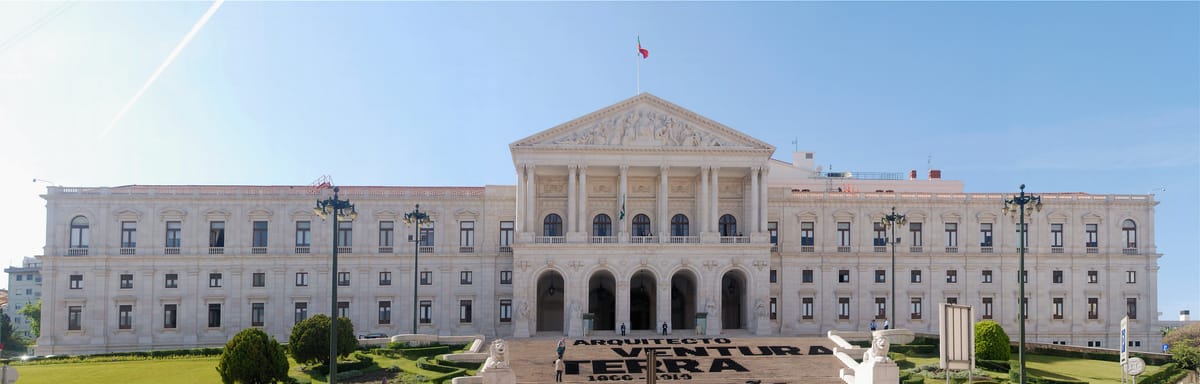
The Associação Internacional dos Lusodescendentes (AILD, International Association of Lusodescendants) has filed a formal request with the Comissão de Negócios Estrangeiros e Comunidades Portuguesas (Foreign Affairs and Portuguese Communities Committee) of the Assembleia da República (Assembly of the Republic) seeking parliamentary audiences with every party group to push for the creation of a Dia do Lusodescendente (Day of the Lusodescendant) as a stand-alone date on the official Portuguese calendar.
AILD president Gilda Pereira disclosed the move on Saturday 6 June 2026, four days before the country marks the 10 June Dia de Portugal, de Camões e das Comunidades Portuguesas (Day of Portugal, of Camões and of the Portuguese Communities) — the existing national holiday that AILD considers an inadequate vehicle for the descendant cohort.
The association's pitch turns on a sociological distinction the request asks parliamentarians to enshrine in law: traditional emigration, framed around the act of leaving Portugal, and lusodescendência, framed around inheritance of identity by individuals born and raised abroad to a Portuguese parent, grandparent or great-grandparent. Pereira characterised lusodescendants as carrying a distinct "identidade, realidade cultural e geracional" (identity, cultural and generational reality) that is "not confused with that of traditional emigration" and described the cohort as "the global projection and future of Portugal in the world."
The June 10 holiday — established by decree in 1910, suspended under the Estado Novo's Hora Nacional rebrand and restored after 1974 — was extended in 1978 to include the Comunidades Portuguesas reference, embedding diaspora recognition inside a single ceremonial day. AILD argues that the architectural choice of folding three distinct objects (national identity, Camões' literary legacy, and emigrant communities) into the same calendar slot has thinned the visibility of the second- and third-generation diaspora.
The request lands inside a busy parliamentary diaspora docket. The new Lei da Nacionalidade (Nationality Law) entered into force on 18 May 2026, raising the minimum residence requirement for non-CPLP foreigners from five to seven years (ten years for non-CPLP) and tightening the routes to original nationality for grandchildren of Portuguese citizens abroad. Chega has already secured Assembly approval to force a parliamentary reappraisal of the Constitutional-Court-vetoed loss-of-nationality decree. The Council of Ministers signed off in late 2025 on a new diaspora-return incentive programme that opened in 2026 to ex-pat returns. Against that backdrop, AILD's standalone-date push is also a soft demand for a separate diaspora policy track, distinct from emigration policy proper.
A standalone Dia do Lusodescendente, if it were to pass, would not become a non-working public holiday — Portugal's feriado roster is set by Article 234 of the Código do Trabalho (Labour Code) and a Council of Ministers feriado classification is required to attach paid-leave consequences. AILD's request as filed is for parliamentary recognition and institutional adoption (commemorative status), not for a feriado classification. That distinction matters: feriado status would loop in the Direção-Geral do Emprego e das Relações de Trabalho (DGERT) and the social-partner concertation table, whereas commemorative recognition is a unilateral parliamentary act inside the Assembly's own standing orders. The Comissão dos Negócios Estrangeiros now controls the audience calendar.