Livre Gathers in Sintra to Choose New Spokespeople as Rui Tavares Steps Back After Four Years
Livre opens its 17th congress in Sintra with a leadership contest, as founder Rui Tavares steps down as spokesperson after four years. Three lists compete, the frontrunner proposing dual spokespeople and a new secretary-general, while challengers demand less centralised power.
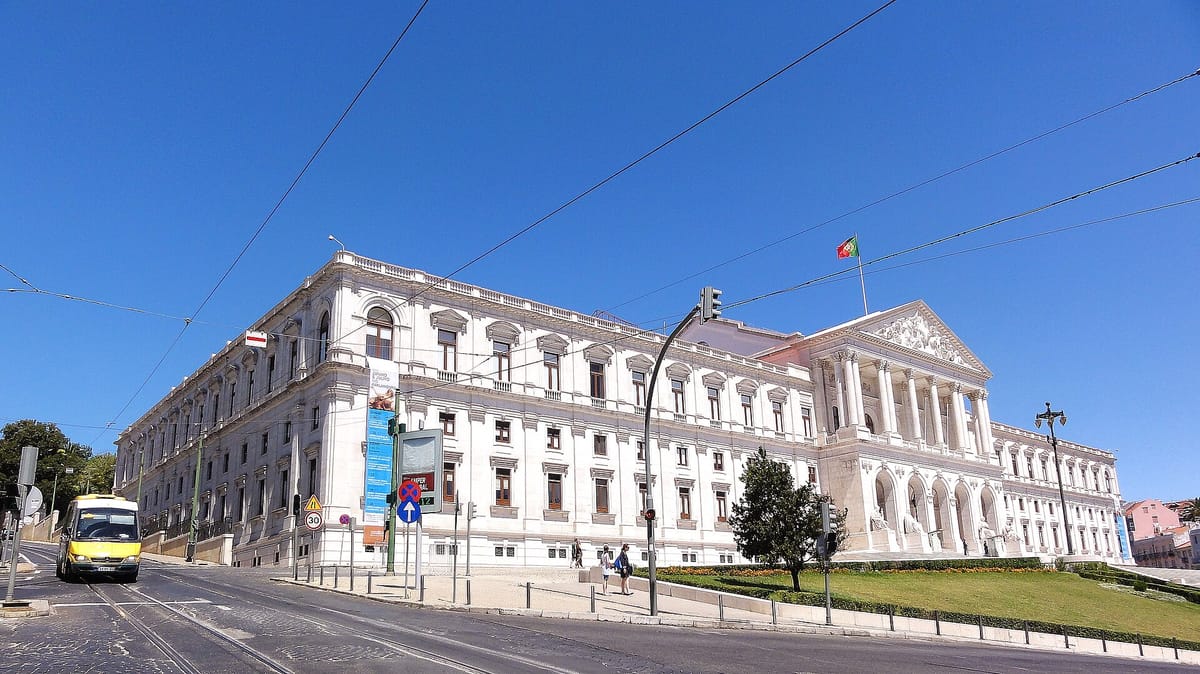
Livre, one of the smaller parties on the Portuguese left, opens a two-day congress in Sintra this weekend that will reshape its leadership and mark a generational handover at the top. Rui Tavares, the historian and founder who has been the party's public face for years, is stepping down as spokesperson after four years, setting up the first serious contest over who speaks for the party — and how it is run.
A congress with three lists
The 17th Congress of Livre began on 11 July at the Hockey Club de Sintra, drawing around 500 members in person and online. Delegates are choosing a new Grupo de Contacto (Contact Group), the party's collective national leadership, and three competing lists are on the table — an unusually crowded field for a party that has often preferred consensus to open rivalry.
The frontrunner, List A, proposes a dual-spokesperson model pairing Isabel Mendes Lopes with Jorge Pinto, and would create a new post of secretary-general — sought by Tomás Cardoso Pereira — to handle "operational management and team coordination." The two challenger lists, List S led by Rodrigo Brito and List V led by Tiago Mota, are running on a shared complaint: that power inside Livre has become too concentrated among its spokespeople and members of parliament, and that the party needs more internal democracy and grassroots involvement.
Tavares steps back, but not out
Tavares is not leaving the leadership. Rather than continue as spokesperson, he is bidding for a newly defined role covering "strategy, communication and training" — a move that keeps his influence over the party's direction while handing the day-to-day public voice to a new generation. For a party so closely identified with its founder, the transition is delicate: Livre's growth from a fringe movement into a party with seats in the Assembleia da República (Assembly of the Republic) has been bound up with Tavares's own profile.
Beyond the leadership contest, delegates will elect a 50-member Assembly and a Jurisdiction Council, and work through a dense agenda of 83 motions covering the party's programme and internal rules. The scale of that list is itself a sign of a membership eager to debate direction after a period of rapid expansion.
Green roots on display
The congress also underlines Livre's place in the wider European green family. Sunday's session features remarks from Vula Tsetsi, co-spokesperson of the European Green Party, and an homage to the writer Maria Gabriela Llansol — a nod to the literary and ecological identity the party likes to project. Livre has always presented itself as something more than a conventional political machine, blending environmentalism, European federalism and a cultural sensibility, and the weekend's programme leans into that self-image.
The real question the congress answers is whether that identity can survive the departure of the man who embodied it. A dual-spokesperson leadership, a new secretary-general and a founder recast as strategist would give Livre a more distributed structure — closer to the collective model its critics have demanded. Whether that makes the party more resilient or simply less recognisable is what the next cycle, beginning in Sintra, will decide.