Living in the Minho Region: Portugal's Most Underrated Expat Destination
Braga, Viana do Castelo, and Guimarães offer affordable property, strong universities, stunning nature, and a genuinely Portuguese lifestyle — without Lisbon's crowds or price tag.
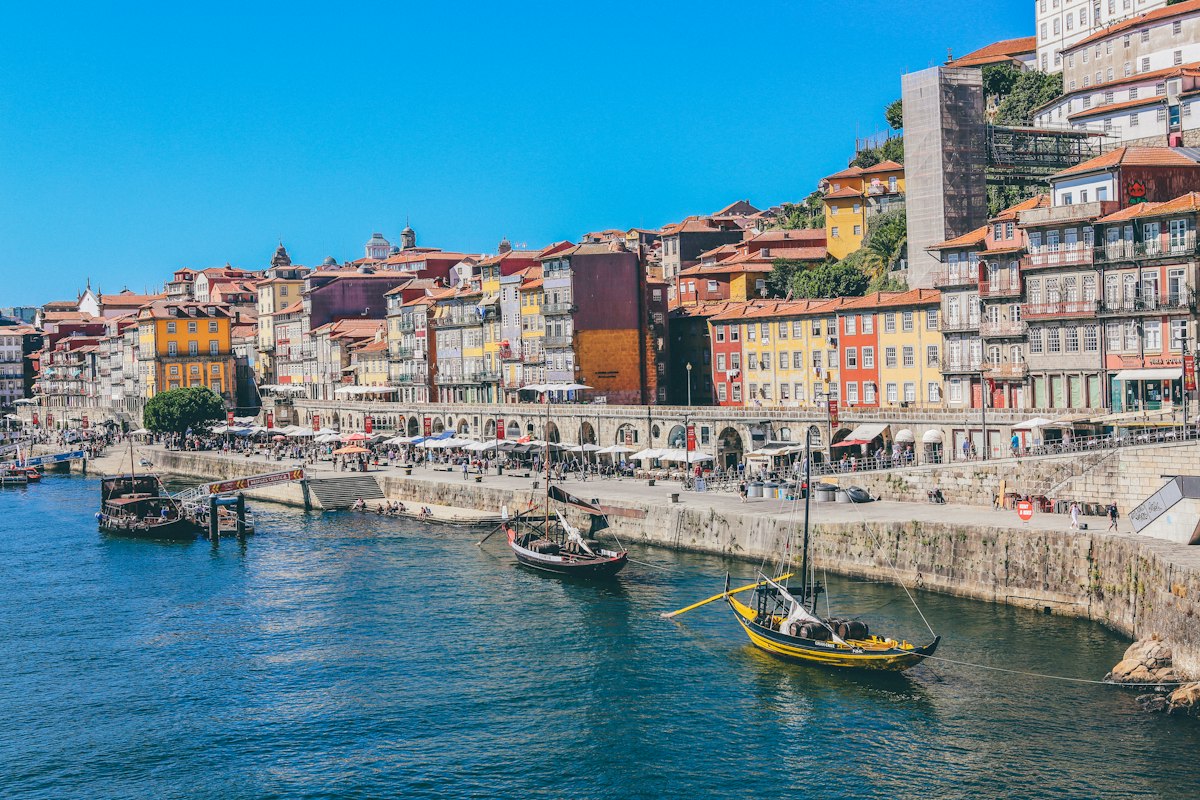
When people talk about moving to Portugal, the conversation starts and ends with Lisbon and the Algarve. But there's a corner of Portugal that locals have always known is special — and expats are finally catching on. The Minho region in the northwest delivers everything that drew people to Portugal in the first place: charm, food, culture, and affordability. At half the price.
What Is the Minho?
Named after the river forming the border with Spain, the Minho stretches from Braga south to Viana do Castelo on the coast, and east to Guimarães. Geographically, it's lush, green, and mountainous — the rainfall here is double what you'd get in Lisbon, which explains the impossibly vivid landscape. The region is the oldest culturally and historically in Portugal, birthplace of the nation itself, and the heartland of vinho verde wine country.
Braga — The Vatican of Portugal
Braga is the third-largest city in Portugal and one of the fastest-growing. Its nickname — "city of archbishops" — hints at its extraordinary concentration of baroque churches. Bom Jesus do Monte, the famous hillside sanctuary with its zigzag staircase, is a UNESCO World Heritage Site. But modern Braga is anything but stuffy.
The University of Minho has transformed the city into a genuine tech hub. INL (International Iberian Nanotechnology Laboratory), Bosch Car Multimedia, and a growing startup ecosystem have brought tens of thousands of young professionals. The result is a city that feels simultaneously ancient and energetic.
The numbers:
- Property prices: €1,200–1,800/m². A two-bedroom apartment in a good area costs €150,000–200,000.
- Rent: A comfortable two-bed goes for €600–900/month.
- Cost of living: 20–30% cheaper than Lisbon. A proper restaurant meal with wine runs €12–18 per person.
- Foreign resident growth: +31% in 2025 — fastest rate in Portugal.
What This Means for Expats: Braga works particularly well for remote workers and early retirees. The university atmosphere keeps it young, the tech sector means good infrastructure and English proficiency among locals, and the price point is genuinely hard to beat in Western Europe.
Viana do Castelo — The Coastal Gem
Viana do Castelo sits at the mouth of the Lima River, where it meets the Atlantic. The historic centre is an architectural treasure — Manueline and art nouveau buildings side by side, with the Monte de Santa Luzia basilica overlooking everything. The beaches — Praia do Cabedelo, Praia de Afife — are world-class surf spots and utterly unspoilt.
Property is even cheaper than Braga: €900–1,400/m², with older buildings in the historic centre available for renovation under €100,000. The caveat: it's a smaller job market. It suits retirees, remote workers, and those who don't need local employment. And yes, it's genuinely rainy — 1,400mm+ annually. If you're escaping grey skies, adjust expectations.
Guimarães — Where Portugal Was Born
Guimarães is often called the "cradle of Portugal" — this is where Afonso Henriques, the first king, was born in 1109. The medieval castle and the Palace of the Dukes of Braganza are remarkably preserved; the entire old town is a UNESCO World Heritage Site.
Today Guimarães is a thriving city of 160,000 with a second University of Minho campus and a strong textile and manufacturing tradition. House prices (€900–1,400/m²) make it attractive, and proximity to Braga (20 minutes) and Porto (50 minutes) gives residents big-city access without big-city costs.
Healthcare, Schools, and Practicalities
The Minho is served by Hospital de Braga — one of the best public hospitals in Portugal, run under a public-private partnership model with above-average standards. Private clinics (Trofa Saúde, Casa de Saúde da Boavista) charge €40–70 per consultation.
International schools are limited. The British School of Braga covers primary; older children generally attend Portuguese state schools (which are good quality) or families consider boarding for secondary. For families needing full international schooling through secondary, Lisbon or Porto are better bases.
Infrastructure is solid: fast broadband widely available, the A3 motorway connects Braga to Porto in 40 minutes, Porto Airport is an hour away with direct flights to London, Paris, Frankfurt, Amsterdam.
Who Moves to the Minho?
- Digital nomads and remote workers who want affordability and a genuine Portuguese experience without needing beach access year-round
- Academics and researchers — University of Minho has strong international programmes
- Early retirees (40s–50s) stretching their savings further than they could in Lisbon
- Tech workers relocated for Bosch, Braga's tech cluster, or working remotely
- Brazilian community — the largest growing group, drawn by linguistic familiarity and affordable property
The Verdict
The Minho isn't for everyone. If you want beaches, year-round warmth, and a large expat social scene, look south. But if you want to live somewhere genuinely Portuguese — affordable, culturally rich, and not overrun with tourists — the Minho region deserves serious consideration.
Braga in particular is one of the best value bets in Western Europe right now. Property prices are rising (that 31% foreign resident growth will have consequences) but remain far below Lisbon and Porto. Get in before the word fully gets out.
Background: See our 2026 visitor guide to Fátima and the Caminho pilgrim routes.
- Braga property: €1,200–1,800/m² (2-bed ~€170,000)
- Viana do Castelo / Guimarães: €900–1,400/m²
- Braga rent (2-bed): €600–900/month
- Porto Airport: ~60 min from Braga
- Foreign resident growth in Braga: +31% (2025)