Infraestruturas de Portugal Awards Zagope a €167 Million Contract to Rebuild the Poceirão–Bombel Line for the Lisbon–Madrid High-Speed Link
Infraestruturas de Portugal has handed Zagope a €167 million contract to rebuild and double the Poceirão–Bombel section of the Alentejo Line, part of the future Lisbon–Madrid high-speed route. The €270 million project, with €97.94 million in EU funding, runs about four years.
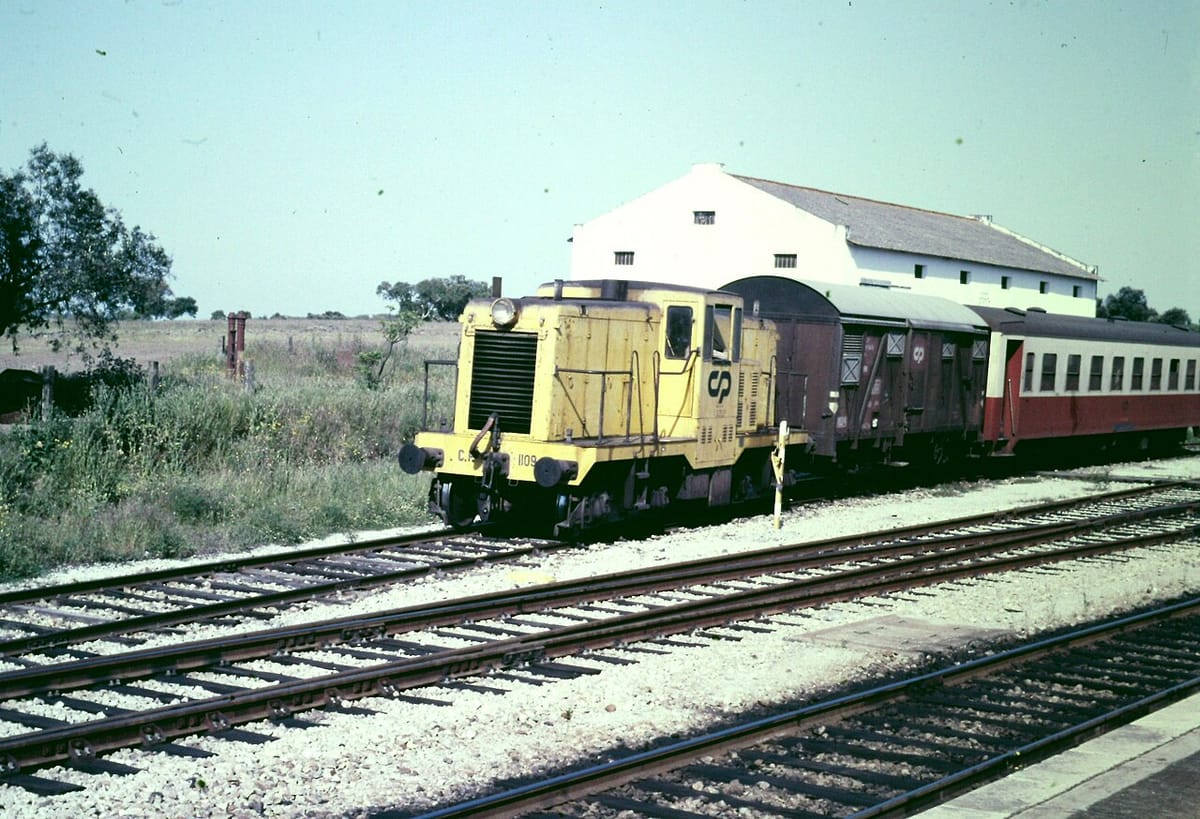
Infraestruturas de Portugal (IP — the state rail and road manager) has handed the construction group Zagope a €167 million contract to rebuild and duplicate the Poceirão–Bombel section of the Linha do Alentejo (Alentejo Line), a stretch that will carry part of the future high-speed connection between Lisbon and Madrid. The formal handover of the site clears the way for one of the most strategically important rail works now under way in the country.
The key details of the deal:
- €167 million awarded to Zagope for the works, within a total project cost of about €270 million.
- €97.94 million in European Union co-financing supports the investment.
- A build period of roughly four years, covering modernisation and the doubling of the track.
- IP projects a 20% increase in both freight and passenger demand on the corridor by 2030.
The Poceirão–Bombel upgrade sits on the southern axis that Portugal is stitching together to link Lisbon with the Spanish network and, ultimately, Madrid. Doubling the line removes the single-track bottlenecks that force trains to wait for one another, cutting journey times for national services and opening the door to faster international connections. IP framed the reduction of travel times on domestic and cross-border routes as a central goal of the work.
It is the latest piece in a sprawling high-speed programme that has generated as much friction as progress. Further north, Porto and Gaia have rejected the road deck planned for the Douro high-speed bridge, and the Porto–Oiã sections have only recently gone out to public consultation. The Lisbon–Madrid leg, by contrast, is now moving from paper to poured concrete.
What This Means for Travellers and Residents
- Faster Iberian travel, eventually: A completed Lisbon–Madrid high-speed line would make the two capitals a comfortable day trip, reshaping business and leisure travel for anyone based in Portugal.
- Freight relief: More capacity on the Alentejo Line helps shift cargo from lorries to rail, easing pressure on the A6 and the port corridors.
- Local disruption first: Residents near Poceirão and Bombel should expect four years of works, diversions and noise before the benefits arrive.
Portugal's scenic network still runs on lines like the Douro railway, but the country's rail future is being decided on stretches like this one. If IP holds its four-year timetable, the Alentejo will quietly become the fast lane to Spain.