University of Évora Lines Up Two New Student Residences With About 260 Beds for 2027, as Students Protest Higher Fees
The rector wants a residence of just over 200 beds in Malagueira and about 50 in the historic centre, adding to 525 places today. Students protested against the end of the tuition freeze in the 2027 budget.
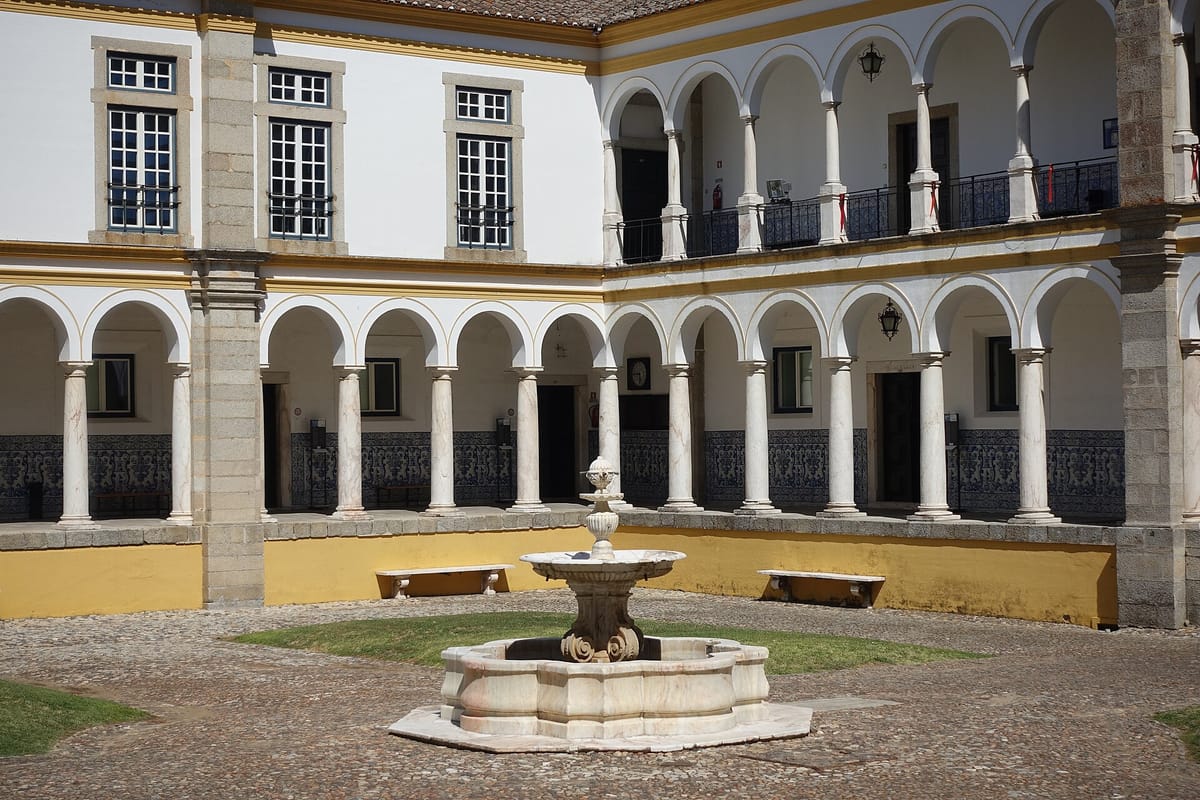
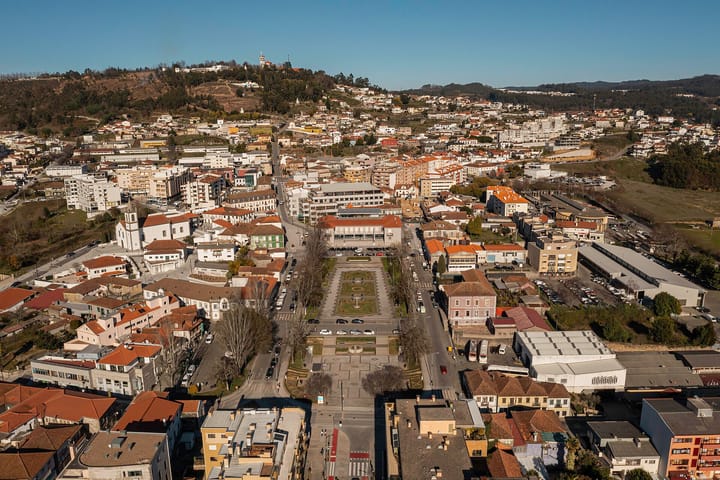
The University of Évora wants to get two new student residences, with about 260 beds between them, under way in 2027, its rector said on Sunday, as a group of students protested on the same day against higher tuition fees and the shortage of public rooms. Speaking to reporters on the Dia da Universidade (University Day), rector António Candeias said the university is also looking for partnerships with private companies to add more accommodation, according to the Lusa report carried by Notícias ao Minuto.
The two projects
- Malagueira: a new residence of "just over 200 beds" on university land in the Malagueira neighbourhood, on the edge of the city, at a cost of about 8 million euros. The university has dropped an earlier partnership with a private investor for the site and started its own project. It already has a Pedido de Informação Prévia (preliminary planning approval) from the council, and building will start "as soon as there is funding", the rector said.
- Alcaçarias: about 50 beds in a refurbished building in the historic centre.
Meanwhile the university is finishing the last of three residences refurbished with money from the Plano de Recuperação e Resiliência (PRR, the EU-funded Recovery and Resilience Plan). "It is important that those beds are available immediately, but more important still is that we manage, over the coming year, to deliver a new residence in Malagueira and also have the Alcaçarias residence available," Candeias said.
The university's own student-support page says it currently has seven residences with room for 525 students. Two new ones on the scale described would add about half as many beds again.
Money and fees
Candeias said the university's State funding rises by about 1.7 percent in the 2027 budget proposal, below inflation once career progressions and new hires are counted. "Next year's budget is lower than the budget we had this year, even if the allocation is higher," he said, adding that the university has to be "competitive" and find money from wider society, and wants a programme contract with the ministry.
Students see the costs from the other side. The president of the student union, the Associação Académica da Universidade de Évora, Ana Beatriz Calado, stood silent for almost a minute at the ceremony before speaking. She told reporters that some students are "choosing courses they do not want" to stay near home and spend less. About 50 students joined a protest under the slogan "Já não dá mais" ("We can't take any more") against fee increases, for more public residences and for better conditions in higher education.
The fee rise they object to is in the 2027 budget bill: as we reported in October, article 116 ends the freeze that has kept undergraduate tuition at no more than 697 euros a year since 2020, and from 2027/2028 the cap would rise with inflation. Parliament holds its final vote on the budget on 24 November and can still change it.
What it means for students and families
For the current year, nothing changes: public residence places stay limited, and the university points students to its private-housing platform and a scheme that houses students in senior residences in the city, preferably in the historic centre. Students who need help can apply to its social support fund (FASE-UÉ) for help with fees, meals and residence costs. The new beds, if funded, would come in 2027 at the earliest.