Ibersol Retires Nearly 900,000 Shares and Trims Its Capital to €40 Million
Ibersol has cut its share capital to €40 million from €40.9 million, cancelling 899,126 treasury shares on 8 July to 'liberate excess capital'. The operator of KFC, Pizza Hut and Burger King franchises in Portugal is midway through a buyback running to late 2026.
Ibersol, the Portuguese group behind a string of familiar fast-food counters, has quietly shrunk itself. The company confirmed it has cut its share capital to €40 million, down from €40.9 million, by cancelling 899,126 of its own ordinary shares — each with a nominal value of €1 — in an operation completed on 8 July. It is a technical move with a simple logic behind it: the group is handing surplus cash and stock back to shareholders rather than letting it sit idle on the balance sheet.
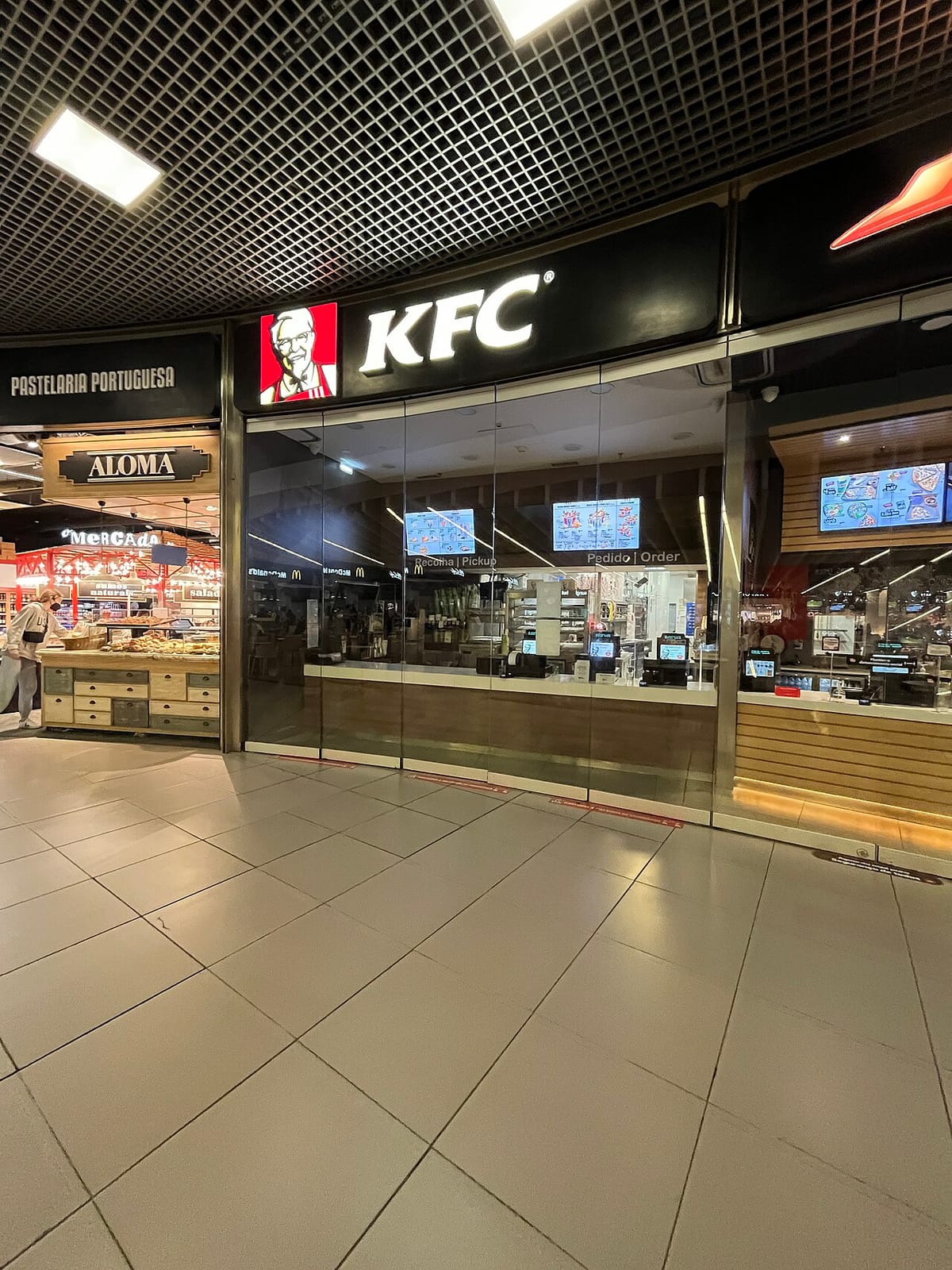
If the name is unfamiliar, the brands are not. Ibersol runs franchises including KFC, Pizza Hut, Burger King, Taco Bell, Pans & Company and Pret a Manger across Portugal, making it one of the country's larger operators of branded quick-service restaurants. The company is majority-controlled by ATPS, the vehicle of businessmen António Pinto de Sousa and Alberto Teixeira.
The mechanics of the reduction
The cancelled shares came out of Ibersol's own treasury — stock it had already bought back — so the reduction does not take money from any outside investor. Under Portuguese company law, a capital reduction of this kind extinguishes shares the firm holds in itself, tidying the share count and, in the process, lifting the proportional stake of everyone who remains. Shareholders approved the operation at a meeting on 20 May, with the stated aim of "liberating excess capital."
The cancellation is the tail end of a much larger buyback drive. Ibersol launched a repurchase programme in 2024 authorising the acquisition of up to 4,151,481 shares, and in June 2025 its board signed off an additional €41 million to keep buying through 29 November 2026. As of 29 June the company still held around 3 percent of its own capital — ammunition for further cancellations down the line.
Why buy back your own shares?
For a cash-generative business without a pressing need to invest every euro it earns, buybacks are a way of returning value without committing to a permanently higher dividend. Cancelling the stock afterwards makes the effect concrete: fewer shares outstanding means each remaining one represents a slightly larger claim on future profits. Markets read it as a sign of confidence, and the response here was muted but positive — Ibersol shares ticked up 0.11 percent to €9.45 after the announcement.
The move also underlines how the Portuguese consumer-brands sector is being actively managed for shareholder value rather than left to drift. It comes in the same week that Delta agreed to absorb the coffee-capsule maker Mocoffee and Sonae Sierra bought nine Mercadona supermarkets in Spain — a run of deal-making that shows the country's food and retail names reshaping their balance sheets in different directions.
What it signals
- Confidence, not contraction: Shrinking capital by cancelling treasury stock is a shareholder-friendly move, not a distress signal — it reflects a group with cash to spare.
- More may follow: With roughly 3 percent of capital still in treasury and a buyback mandate running into late 2026, further cancellations are likely.
- A tightly held group: With ATPS in firm control, minority holders benefit from the buybacks but have little sway over strategy.
For diners queuing at a Pizza Hut or a KFC, nothing changes. But for anyone tracking how Portugal's listed consumer brands are run, Ibersol's steady share-shrinking is a small, telling example of capital discipline in action.