Health Minister Warns Portugal's 168-Unit Emergency Network Is Hard to Keep Staffed, as New Rules Penalise Hospitals That Shut Their Urgências
Ana Paula Martins says keeping all 168 emergency units open this summer is 'very difficult' and has no full roster for three months. A new rule splits urgência funding 75/25 and penalises hospitals that close their doors.
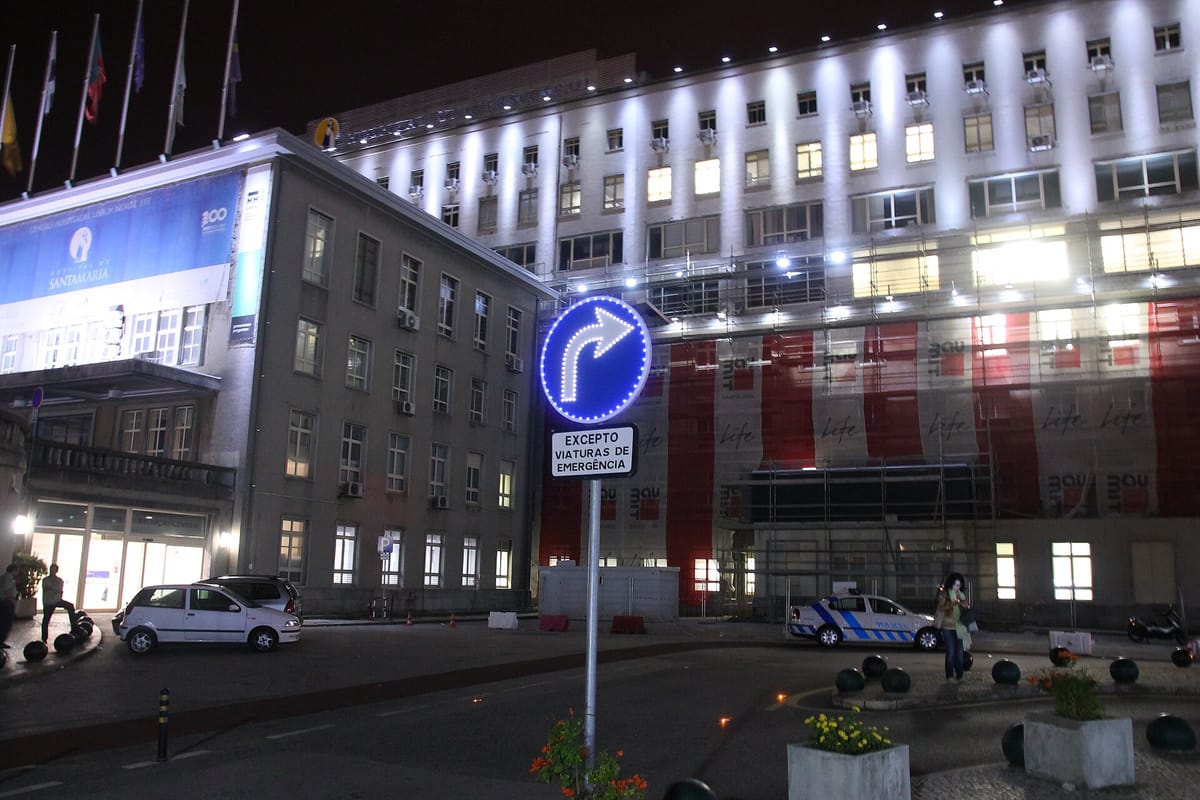
Portugal's Health Minister, Ana Paula Martins, has acknowledged that keeping the country's network of 168 hospital emergency services (urgências) fully open through the summer is "very difficult", as a heatwave collides with the annual staffing squeeze created by holiday leave. Speaking as hospitals triggered their heat contingency plans, she admitted she does not yet have "the complete roster for the next three months" — and described the prospect of temporary emergency-room closures as "not likely, but possible."
The candour lands alongside a concrete policy shift. Under the 2026 programme-contracts (contratos-programa) now being negotiated between the Direção Executiva do SNS (Executive Directorate of the National Health Service) and the local health units (Unidades Locais de Saúde), the money hospitals receive for keeping emergency departments available is being split into two parts:
- A fixed component of 75% — paid regardless.
- A variable component of 25% — now exposed to penalties when a unit fails to keep its urgência continuously open.
The Directorate says the redesign is meant to reward "continuity of availability" and sharpen accountability. Critics see a service being punished for shortages it did not create. The Communist Party (PCP) leader called the measure "the last straw," arguing the government is fining hospitals for the consequences of its own workforce decisions.
A summer of thin rosters
The pressure is acute in two specialties: paediatrics and anaesthesia. On some days this year around 160 emergency departments have operated without on-site anaesthesia cover, and the Lisboa e Vale do Tejo region has been especially strained in paediatric emergencies. All hospitals have activated the lowest of their contingency tiers as temperatures climb, on the reasoning that heat drives up patient decompensations and emergency visits precisely when staff are away.
Martins has repeatedly said the SNS would need close to "double the workforce" to comfortably cover every rota. That gap is why the government has leaned on stopgaps — most recently lifting locum-doctor pay to 50% above staff rates to keep summer emergency rooms running — and why this year's 42°C heatwave is testing the system so directly.
What This Means for Residents
- Check before you travel: Emergency departments can be redirected or temporarily closed at short notice this summer. Confirm the nearest open urgência via the SNS 24 line (808 24 24 24) before setting off, especially outside major cities.
- Paediatric and overnight cover is the weak spot: If a child needs urgent care, call SNS 24 first — you may be routed to a different hospital than your usual one.
- Non-emergencies clog the queue: For minor issues, use your health centre or SNS 24 rather than the emergency room, where Manchester Triage means low-priority cases wait longest. Our guide to medical emergencies in Portugal explains the triage colours and when a visit is free.
- Private and digital options ease the load: Insured residents can use private urgências, while the SNS itself is expanding tools such as AI-guided home physiotherapy to keep lower-acuity care out of hospitals.
The financing change will not add a single doctor this summer, and the minister's own words make clear the rota gaps are real. For residents, the practical takeaway is simple: assume the emergency map is provisional until September, and let SNS 24 point you to a unit that is actually open.