Portugal's Motorway Operators Demand €500 Million for Pandemic Toll Losses; the Government Says They Were Never Really Hurt
Portugal's toll-road concessionaires, led by Brisa and Lusoponte, want around €500 million in compensation for the traffic they lost during the pandemic lockdowns. The government, through the IMT, refuses — arguing they were never materially harmed. The dispute is now heading into arbitration.
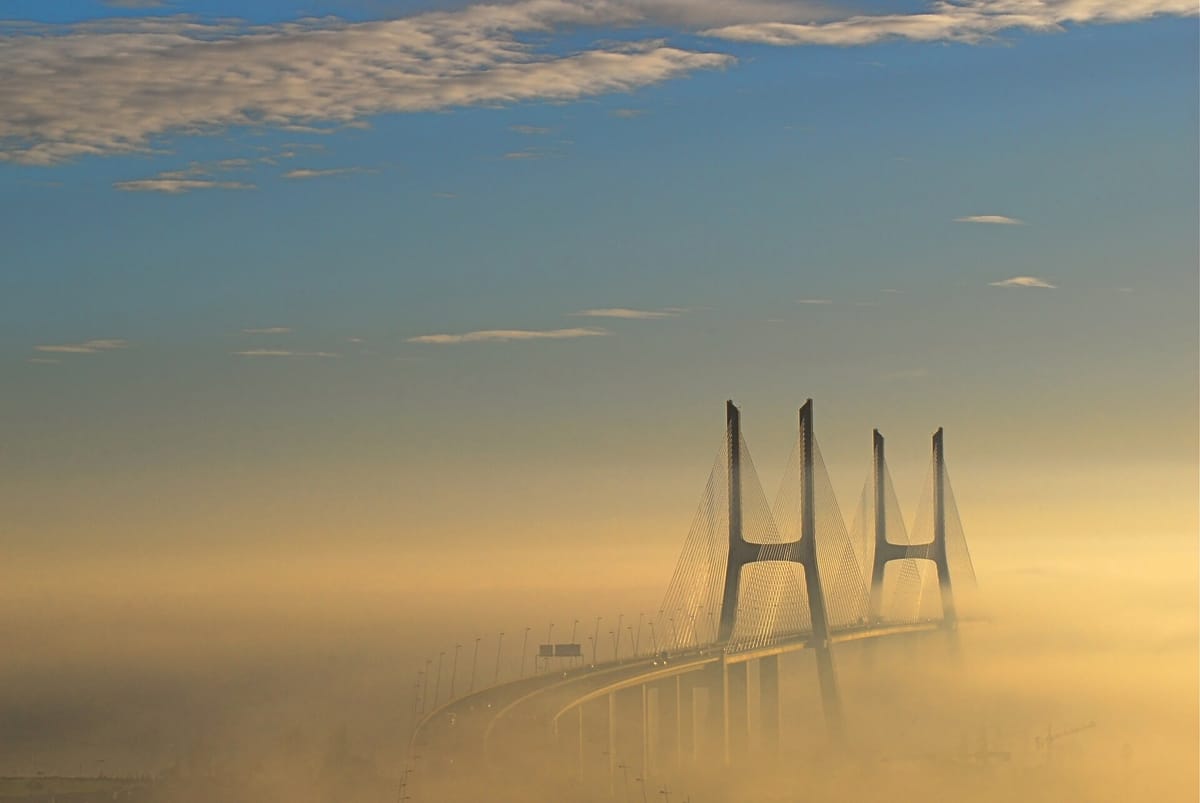
When Portugal locked down in the spring of 2020 and traffic on its motorways collapsed, the companies that run the country's toll roads kept the tarmac open while the revenue drained away. Six years on, the bill for those empty lanes has landed on the state's desk — and the two sides are now squarely at odds. Portugal's toll-road concessionaires are seeking compensation of around €500 million for the traffic they lost during the pandemic, and the government is refusing to accept that it owes them anything at all.
The claim: €500 million for empty motorways
The demand comes from the members of the Associação de Concessionárias de Auto-Estradas com Portagens (APCAP – the association of tolled-motorway concessionaires), the private groups that built, operate and collect tolls on much of the national network under long-term contracts with the state. Chief among them is Brisa, through its Brisa Concessões Rodoviárias (BCR) arm, alongside operators such as Lusoponte, which runs Lisbon's two Tejo river crossings. Their argument is straightforward: the government's own confinamento (lockdown) rules, by legally restricting when and how far people could drive, caused a sharp and measurable drop in journeys — and therefore in toll income — that no contract could have foreseen. In their reading, that is precisely the kind of externally imposed harm a concession contract is meant to leave the state, not the operator, to bear.
The state's answer: you weren't really hurt
The government, acting through the Instituto da Mobilidade e dos Transportes (IMT – the Institute for Mobility and Transport), rejects the premise. IMT president João Caetano has argued that the concessionaires were not considerably affected in operational or financial terms — and that any dip was more than made good the following year, when inflation running at close to 10% flowed straight through the toll tariffs, which are indexed to it, lifting revenues. In other words, the state's position is that the pandemic's traffic hole was a temporary blip that the subsequent inflationary surge in toll prices has already filled, and that recognising a right to compensation would set an expensive precedent.
Two irreconcilable readings of the contract
Brisa's chief executive, António Pires de Lima, has put the counter-case in pointed terms: government-imposed circulation restrictions are an objective harm, and to deny compensation, he argues, would offend the rule of law and damage Portugal's reputation as a place to invest in long-term infrastructure. It is a dispute less about the facts of 2020 — everyone agrees traffic fell — than about who contractually shoulders the risk when the state itself is the cause of the fall. The gap between "you owe us half a billion euros" and "you were not materially harmed" is not one a meeting is likely to close.
So the matter is heading, case by case, into arbitragem (arbitration), the private-tribunal route these concession contracts specify for disputes. No final decisions have yet been handed down, and the government has signalled it will appeal any ruling that goes against it. Tellingly, even if the concessionaires win, the payout is unlikely to arrive as a cheque: compensation on these contracts typically takes the form of extended concession periods — more years of collecting tolls at the end of the deal — rather than cash up front. In parallel, Brisa is separately renegotiating its concession contract with the state, a process expected to conclude around September or October 2026, which could fold the pandemic question into a wider reset of terms.
What This Means for Expats
- Your tolls are unlikely to jump because of this: If the state loses, the most probable settlement is a longer concession, not an immediate tariff hike. But it does mean tolls on some roads may stay in place for more years than the original contracts envisaged.
- Toll prices already track inflation: The dispute is a reminder that Portuguese motorway tolls are indexed and adjusted annually — the reason they crept up again in 2026. Budget for small yearly increases rather than a flat cost.
- It is ultimately a public-finances question: Any compensation, whether in euros or in extra concession years, is a cost carried by the state — and therefore by taxpayers and road users. It sits alongside the other contingent liabilities the Treasury is managing this year.
- Driving here means understanding the toll system: Between classic toll booths, the electronic Via Verde lanes and the former ex-SCUT gantry-only roads, paying correctly is not always obvious to newcomers — our guide to buying and running a car in Portugal covers the essentials of getting on the road.
For the ordinary driver, nothing changes at the gantry tomorrow. But the fight over who pays for 2020's empty motorways is a revealing one: it pits the state's wish to protect the public purse against the private operators' insistence that a deal is a deal — and it will be settled not across a negotiating table but in a series of arbitration rooms whose rulings could shape how long Portugal's toll roads keep charging. On the motorway-concession and public-private-partnership side of the file, the Brisa motorway-concession renegotiation sets the latest reference. On the motorway-tolls and Via Verde side of the file, our guide to paying Portugal's motorway tolls sets the latest reference.