Portugal Lifts Locum-Doctor Pay to 50% Above Staff Rates to Keep Summer Emergency Rooms Running
A new decree-law lets Portuguese hospitals pay locum doctors up to 50% above staff rates for emergency shifts, while around 320 medics have been hired under an exceptional regime — though the SNS executive board blocked 27 requests as summer pressure on A&E builds.
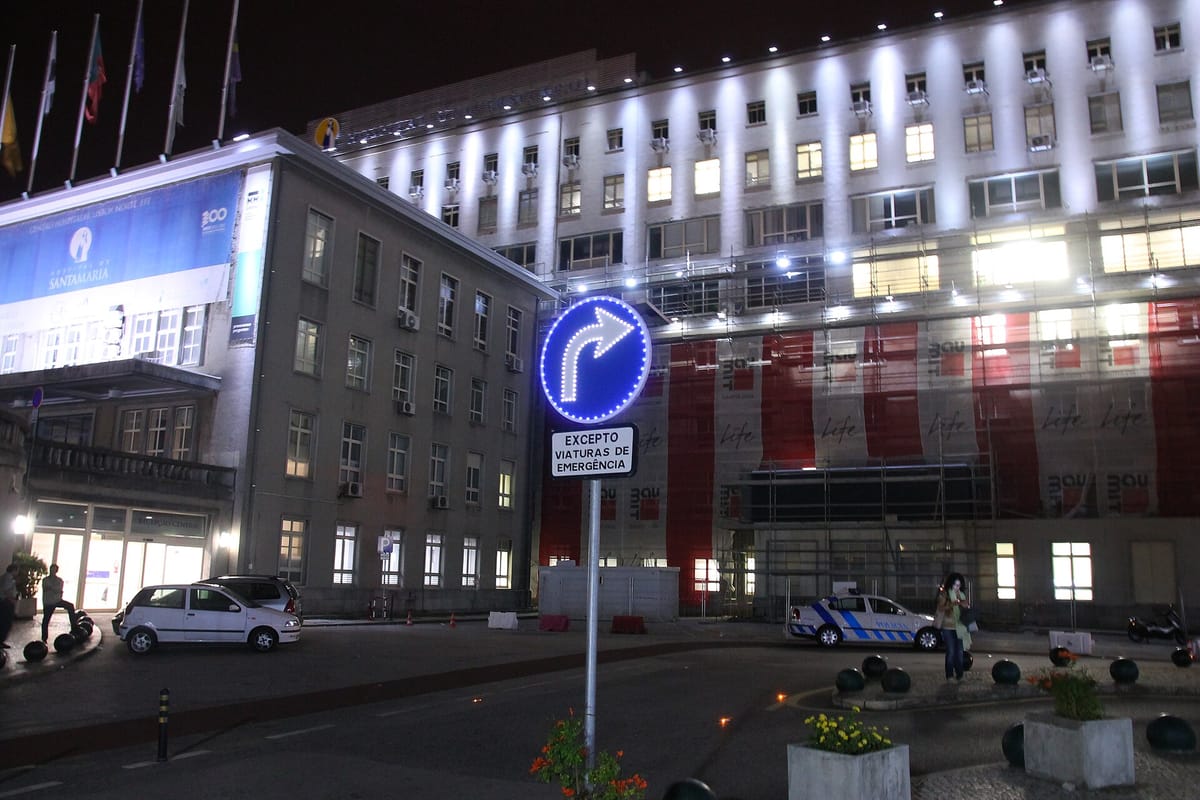
With the summer pressure season under way, the government has moved to keep hospital emergency departments staffed by sweetening the pay on offer to stand-in doctors. A newly published decree-law (decreto-lei) regulating the so-called médicos tarefeiros (locum, or contract, doctors) lets hospitals pay them up to 50% above the rate earned by staff physicians for emergency shifts — a ceiling raised from the previous 40%. Separately, hospitals have signed up around 320 doctors under an exceptional hiring authorisation, although the Direção Executiva do SNS (the National Health Service’s executive board) blocked 27 of those requests.
The measures are the latest attempt to plug rota gaps in the urgências (emergency rooms) of the Serviço Nacional de Saúde (SNS, the National Health Service) just as demand spikes. June’s heat alone pushed INEM (Instituto Nacional de Emergência Médica, the national medical-emergency service) to field roughly 6,000 more calls than in the same month last year, and several hospitals have already triggered the lowest tier of their heat contingency plans.
What the new rules actually change
The higher 50% premium is not a blank cheque. Under the decree, a locum can only be hired on those terms if they already work at least 36 hours a week in the same SNS unit, a condition meant to retain doctors inside the public system rather than let them migrate to better-paid agency work. The exceptional authorisation, meanwhile, allows hospitals to convert trusted contract doctors into permanent staff — but only where there is budget room and subject to the executive board’s sign-off, which is why 27 requests did not clear.
The friction is structural. The SNS is operating under a headcount rule that caps the combined 2025–2026 increase in workers at 2.4% above the level recorded on 31 December 2024, so every approval is weighed against a tight ceiling. Pay incentives can fill a single night’s rota; they do not resolve the underlying shortage of specialists willing to do emergency work.
What this means for expats
- Expect summer disruption: Emergency departments, especially in obstetrics and paediatrics, periodically close or divert patients over the summer. Before travelling to a hospital, check whether your local urgência is open that day.
- Call before you queue: The SNS 24 line (808 24 24 24) triages symptoms and can redirect you to an open unit, often saving a wasted trip. It operates in Portuguese, with some English support.
- Know your alternatives: Many residents now hold private health insurance precisely to sidestep emergency-room waits — a trend that helped push private hospital revenue to a record €2.79 billion last year.
- Keep your registration current: Access to a family doctor still hinges on an active patient record, and new registry rules put 122,000 long-absent users at risk of losing theirs.
The staffing scramble underlines a wider strain on the public system — one that this year has touched everyone from the call-centre operators answering SNS 24 to patients trying to keep up with the national vaccination schedule. For now, the bet is that a richer pay packet will keep the lights on in A&E through the hottest months.