Half of Older People in Portugal Have Low Health Literacy, and Only a Quarter Can Tell Good Online Health Sources From Bad
A new study of more than 12,000 people finds 49.7 percent of older people and 44.2 percent of the youngest in Portugal have low health literacy. Only 26.2 percent of older people can tell good online health sources from bad ones.
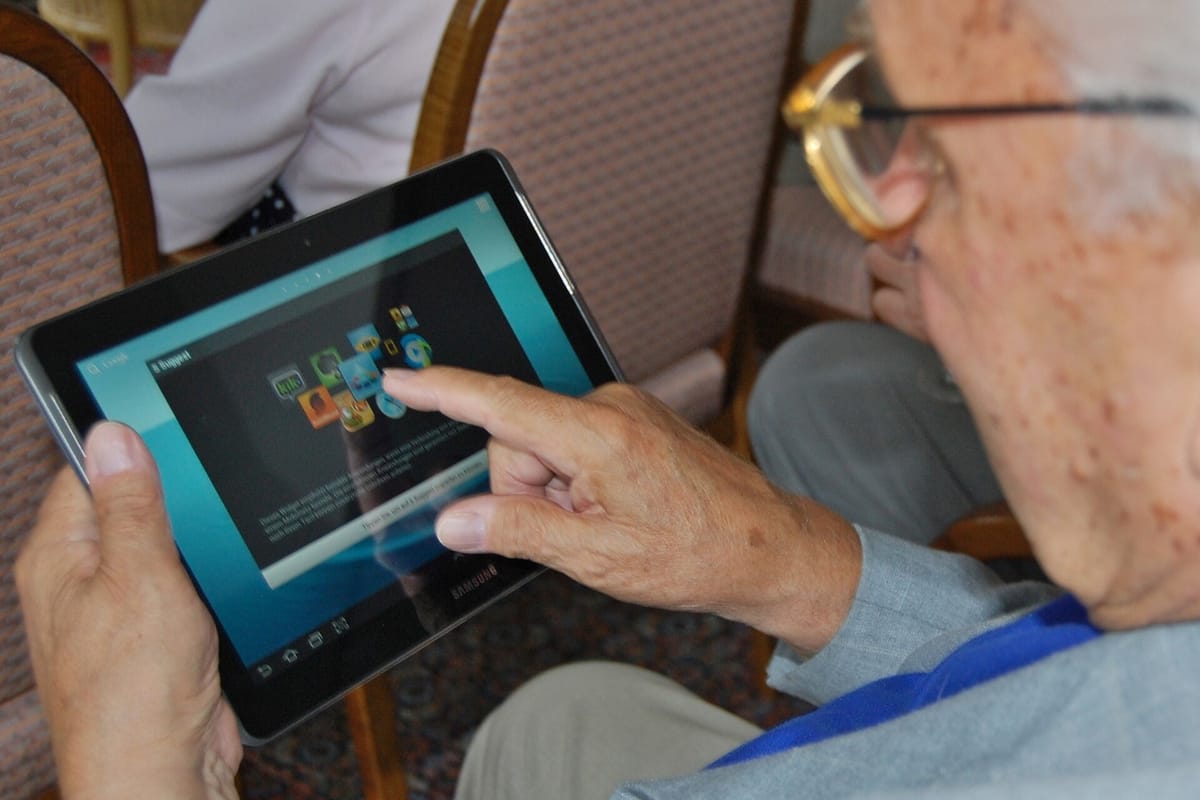
Half of older people in Portugal and more than four in ten young people struggle to find and understand health information, according to a study released today by a team led by psychologist Tânia Gaspar, Lusa reported via Notícias ao Minuto. Among older people, only 26.2 percent can tell good online health sources from bad ones, a finding that matters as more of the health service moves onto apps and portals.
What the study found
The work comes from the Portuguese Laboratory for Healthy Work Environments (Laboratório Português de Ambientes de Trabalho Saudáveis, or Labpats), whose team also runs the Aventura Social project. According to Lusa, it is the first portrait of health literacy (literacia em saúde, the ability to find, understand, judge and use information to make decisions about your own health) across the whole life course in Portugal.
It combines two national surveys covering more than 12,000 people: the World Health Organization's 2022 Health Behaviour in School-aged Children survey, with 7,649 pupils from year 6 to year 12, and the Labpats 2023 survey of 1,600 higher-education students, 1,677 working adults and 1,796 older adults aged up to 98.
- Older people: 49.7 percent have low health literacy and only 3 percent a high level. Online it is worse: 66.6 percent have low digital health literacy and just 0.6 percent a high level.
- Trust in the internet: only 17.5 percent of older people feel confident using online information to make health decisions, and 26.2 percent can distinguish good from poor sources.
- Young people: 44.2 percent of the youngest group have low health literacy.
- Mental health: finding information on coping with stress, anxiety or depression is difficult or very difficult for 48.4 percent of older people, 28.7 percent of university students and 25.9 percent of working adults.
- What helps: attending a senior university (universidade sénior) cut the share of older people with low literacy from 54.9 percent to 35.7 percent.
Gaspar told Lusa that if health information and procedures go fully digital, "at least 70 percent of the older population" would be left without access to that care. The team's recommendations include community digital health literacy programmes for older people and in-person and telephone alternatives to digital services; for schools, putting health literacy and mental health on the curriculum and reinforcing psychologists and school health teams.
What it means for you
If you, or an older relative or neighbour, find the online side of the National Health Service (SNS) hard going, there are offline routes:
- Phone: the SNS 24 line, 808 24 24 24, is listed on the SNS 24 portal as one of its main contact channels alongside the app and in-person counters.
- In person: a Balcão SNS 24 (SNS 24 counter) is a physical help point where a digital mediator helps you use the portal yourself, or a staff member carries out some tasks on your behalf: booking a consultation, joining a teleconsultation, applying for exemption from user fees on low income, and updating your email and phone number. With help, you can also check prescriptions, renew regular medication and view your vaccination record. The page lists where the counters operate.
- Deaf users: SNS 24 offers an accessible video-call contact with Portuguese Sign Language interpretation.
Be wary of health messages that arrive out of the blue: we recently reported on fake SNS 24 texts demanding an "overdue payment". The SNS 24 line itself has also changed: AI now screens callers before a nurse answers.