AI Now Screens SNS 24 Callers Before a Nurse Answers, and Público Reports Patients and Nurses Are Losing Patience
An AI assistant now questions SNS 24 callers before a professional answers. Público reports nurses must correct it and callers complain; SPMS says it has backed over 172,000 triages this year. How the call now works, and when to dial 112 instead.
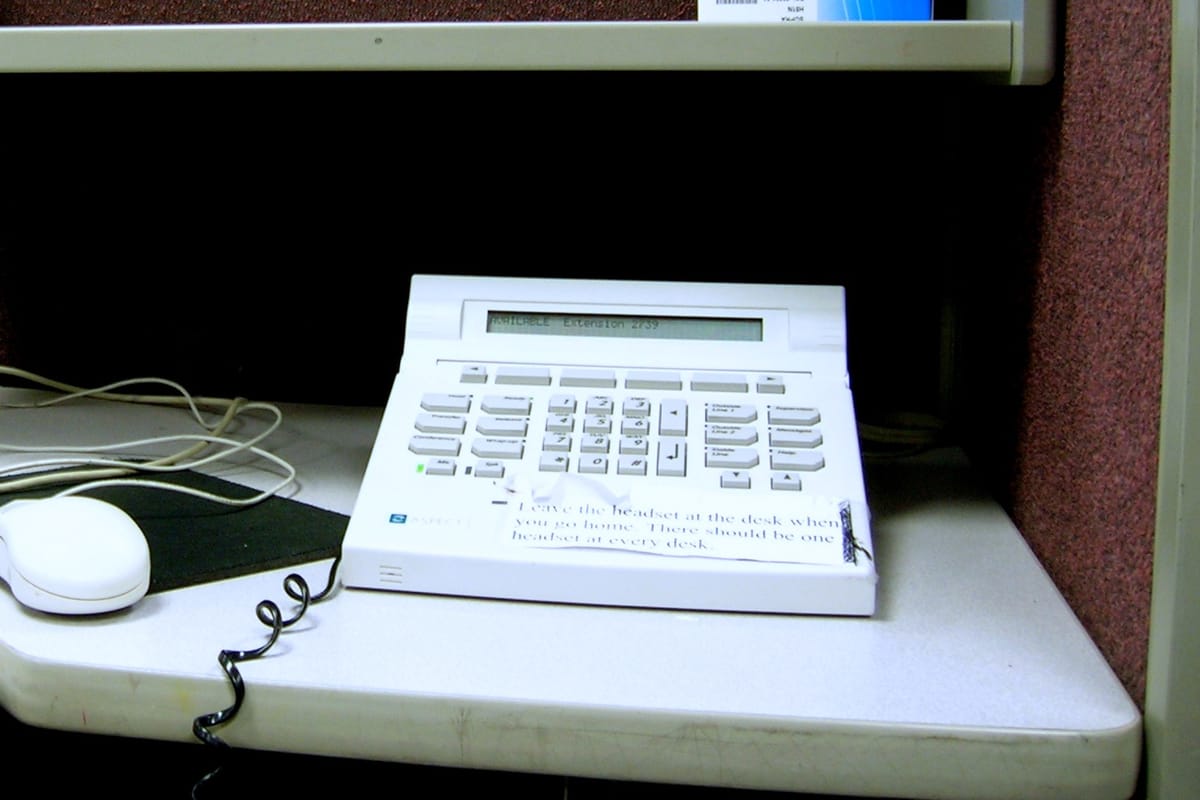
If you call the SNS 24 health line (808 24 24 24) this winter, the first voice that asks what is wrong may not be a nurse's. An artificial intelligence (AI) assistant now questions many callers before a professional takes over, and a report in Público today says the system is frustrating both patients and the nurses who staff the line.
According to Público, nurses have to check and correct the questions put by the digital assistant, and callers are complaining. The newspaper's report opens with a call made on 16 September: a woman describes itchy spots on her palms, soles, knees and legs, and the bot reads her complaint back as a sore throat before asking her to confirm it.
What the AI does on the line
SNS 24 is run by SPMS (Serviços Partilhados do Ministério da Saúde, the Health Ministry's shared services agency). In its own words, the AI "supports the triage of symptoms carried out before the call is answered by a professional". Triage (triagem) is the assessment that decides whether you need self-care advice, a GP appointment, an emergency department or an ambulance.
As Público describes it, a call now runs in stages. A recorded welcome is followed by automated questions to gauge the type and seriousness of the problem; you are asked to key in your SNS user number (número de utente) followed by the hash key, and to press 1 for yes and 0 for no. Only after that pre-triage does the AI assistant come in: it addresses you by name and asks why you are calling.
The plan was first reported in December 2025, when ECO, citing Público, said the line would add a call-back system and AI tools for acute respiratory illness by the end of that year, to cut the number of unanswered calls. Nurses make up about 85 percent of the line's staff, according to the operator, Altice.
How widely it is used
SPMS says the AI has supported more than 172,000 clinical triages in 2026, a figure its chairman, Luís Goes Pinheiro, gave at a public administration webinar on 28 October, calling it a solution that "substantially improves" the service. The same figure appears in Público's report. An earlier SPMS note of 30 September, announcing an industry award for the project, put the count at more than 185,000; SPMS has not explained the difference.
The line is busier than ever. SPMS says it passed 5.9 million calls this year by late October and expects more than 7 million in 2026, against about 1.5 million in 2019.
What it means for you
- In an emergency, do not call SNS 24. Situations that may put a life at risk are for 112. SPMS and INEM, the emergency medical service, run a joint campaign, "When to call SNS 24 or INEM?", with materials in English.
- Have your user number ready. The automated stage asks for it before anything else.
- Check what the assistant heard. When the assistant reads your complaint back and asks whether it is correct, say no if it is wrong and repeat it.
- A professional still takes the call. SPMS describes the AI as support for triage done before a professional answers, not a replacement for one.
SNS 24 also runs in-person help desks for those who struggle with the phone or app; see our report on the SNS 24 health counters. And remember the service never asks for money by text: here is how to spot the fake SNS 24 messages.