Government Reinstates Original Labour Reform Draft on Fixed-Term Contracts and Outsourcing After 14 May Council of Ministers Approval — PS Threatens Floor Vote, CIP Counts It 'Modest', UGT Labels It a 'Retrocesso'
The Government's proposta de lei for the revision of the Código do Trabalho was approved by the Council of Ministers on Wednesday 14 May 2026 with key passages restored to the original Outubro 2025 working draft, after nine months of tripartite...
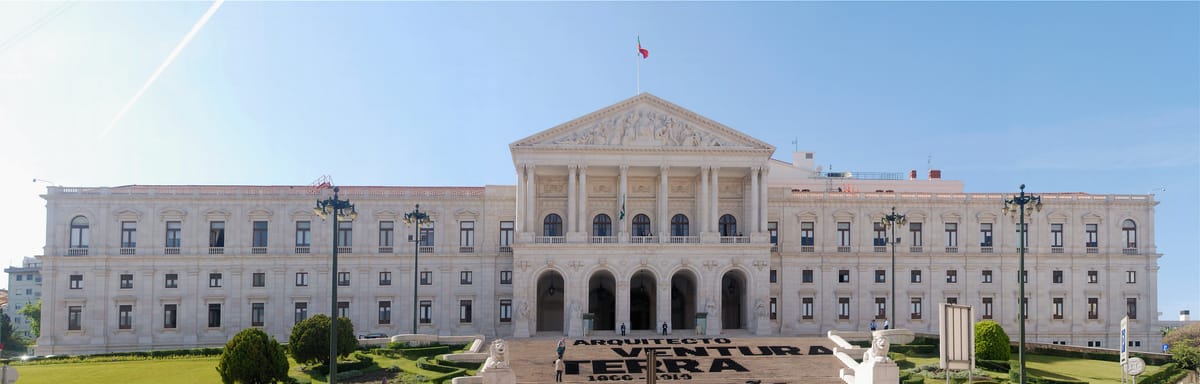
The Government's proposta de lei for the revision of the Código do Trabalho was approved by the Council of Ministers on Wednesday 14 May 2026 with key passages restored to the original Outubro 2025 working draft, after nine months of tripartite Concertação Social negotiations collapsed without a Acordo on 7 May. Labour Minister Rosário Palma Ramalho told reporters the proposal carries 'mais de 50 alterações' built on social-partner and civil-society input, but the file landed in São Bento with the contested core — contratos a prazo, outsourcing, banco de horas and the perimeter of the direito à greve — read on the original Government settings rather than the softer mid-negotiation versions the unions had been working against.
The Reverted Measures
The fixed-term contract regime returns to the original draft's three-year maximum duration (up from the current two years), and the proposta drops the negotiated travão on serial renewals that the UGT had won concessions on in March. The outsourcing perimeter is also restored to the original setting — companies that fire workers can replace them via subcontracting after a 12-month waiting period rather than the 24-month version the unions extracted in mid-negotiation. The banco de horas individual returns as a hire-time tool the employer can deploy without express collective-bargaining cover, and the proposta preserves the original wording on the reintegração obrigatória regime that follows an illegal dismissal — the courts retain discretion to substitute reintegration with an indemnização on an employer request, the trigger that organised labour reads as the centre-of-gravity rollback.
The Political Read
PS leader José Luís Carneiro, who has been positioning the opposition for a floor vote since the proposta hit the Conselho de Ministros agenda, told Público on Saturday 16 May that an Assembleia agreement would be 'difícil se o Governo insistir na desumanidade' of the original draft. The PS bench is moving toward a Generalidade vote-against unless the Government drops the traves mestras the unions had partially clawed back. The UGT central read the proposta as a 'retrocesso'; the CGTP positioned its 3 June paralisação nacional around the same file. On the employers' side, CIP president Armindo Monteiro publicly held the proposta as a 'reforma modesta', signalling the federation will not push harder on labour-market flexibility ahead of the parliamentary fight. Marcelo Rebelo de Sousa retains the promulgation card if the Assembleia carries the file through.
The Parliamentary Arithmetic
The Government holds 91 deputados in the AD bench against the 230-seat chamber, and the proposta's path through Generalidade depends on either Chega's 50-seat group voting alongside (which Ventura signalled openness to on 13 May but has since dialled back on the férias provisions specifically) or the PS's 78 deputados abstaining. Without one of those two routes the proposta does not clear the first floor vote. The Speciality phase that follows would re-open the same measures the social partners failed to close — the file would re-run the Concertação fight in parliamentary committee.
What This Means for Expats
Foreign-resident workers: the three-year fixed-term ceiling and the looser outsourcing perimeter affect the contract pipeline that expat hires routinely sit on — technology, professional-services and Algarve-hospitality clusters are the most exposed.
Cross-border employers: companies that hire Portuguese residents under remote-from-Portugal arrangements should map the proposta's banco de horas wording against their existing collective-bargaining cover before the Speciality phase rewrites the text.
The 3 June strike: the CGTP nacional paralisação on Wednesday 3 June 2026 will bite into Lisbon and Porto's transport, public-service and primary-school networks — plan medical and travel appointments around the date.
What happens next: the file enters the Assembleia agenda inside the next two weeks. Generalidade is the vote that matters; if it falls, the Government takes the proposta back to the Council of Ministers for redrafting before any further parliamentary cycle.