GNR Detains 16 in Operation "Cloaca Máxima" Over Sewage Sludge Allegedly Passed Off as Compost and Spread on Farmland in Nine Districts
The GNR has detained 16 suspects and carried out 36 searches in nine districts over a two-year inquiry into sewage and industrial sludge allegedly labelled as compost and spread on farm and forest land.
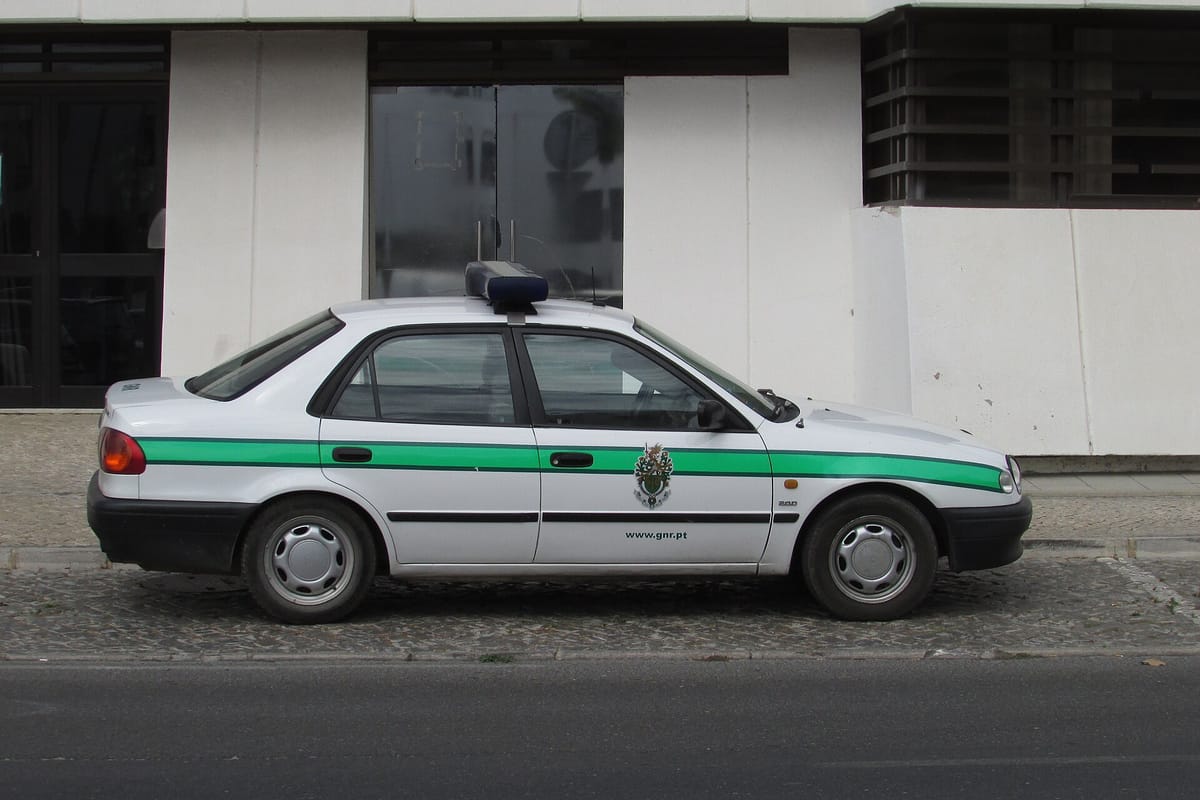
The GNR, Portugal's rural police force, has detained 16 people suspected of taking part in a scheme that sent sewage sludge and industrial sludge onto farmland and forest land without meeting the legal rules for treating it, according to a GNR statement reported by the Lusa news agency on Thursday 12 November. The detainees were due to appear before the criminal investigation court in Guimarães for questioning and a decision on any pretrial measures.
The investigation, named "Cloaca Máxima", ran for about two years and reached into nine mainland districts, from the Minho to the Alentejo. For residents, particularly those living near farmland, the case matters because the GNR says the practices it uncovered could damage the quality of soils and water.
What the GNR says happened
According to the statement quoted by Lusa, via Observador, the sludge came from ETAR (wastewater treatment plants) and from other industrial activities. It was allegedly spread on or worked into the soil without the treatment, material quality and planning that the law requires for agricultural use.
- On paper, the sludge was allegedly described as organic compost, giving its transport and use an appearance of regularity.
- Investigators found signs of electronic records that pointed to destinations or operations different from those actually carried out.
- They also found signs of possible tampering with the samples used for the analyses that underpin sludge management plans.
- Some of the samples analysed contained microorganisms that the GNR describes as relevant to assessing environmental and health risks.
The GNR says the scheme would have let those involved avoid the cost of treating and properly disposing of the waste, and collect payment for services that were not actually provided. It points to alleged coordination between waste management operators, hauliers and others involved in unloading, spreading and incorporating the sludge into the soil.
Searches, arrests and what was seized
Officers carried out 36 search warrants: 15 at homes, 13 at waste management and recovery companies and 8 at the premises of public bodies. They also executed 16 arrest warrants. The operation covered the districts of Braga, Porto, Vila Real, Viseu, Coimbra, Santarém, Lisboa, Setúbal and Évora.
The suspected crimes are pollution, document forgery, computer forgery, money laundering and criminal association. Officers seized 279,160 euros in cash, 8,003 US dollars, three luxury watches and thousands of accounting, financial, commercial and administrative documents, along with phones, computers and other devices.
The case was led by the GNR's Braga command, through the environmental crimes investigation unit of its nature and environment protection service (SEPNA). About 150 officers from several GNR commands took part, supported by two teams from the CCDR Lisboa e Vale do Tejo, the regional coordination and development commission.
What it means for you
No one has been charged yet: those detained are suspects, and it is now for the investigating judge in Guimarães to decide on any measures while the inquiry continues. The GNR statement does not name the companies, public bodies or the specific plots of land involved, and it does not say whether any water supply has been affected.
If you see sludge being dumped or spread on land near you, or notice strong smells or run-off into streams, you can report it to the GNR, whose SEPNA unit handles environmental crimes. Earlier this month a separate complaint about sludge spread on farms in Baixo Alentejo led to an environment inspection; we reported on the stench and flies in Aljustrel, Castro Verde and Mértola. The GNR has not linked that case to this operation.