A Stench and Swarms of Flies in Aljustrel, Castro Verde and Mértola Prompt an Environment Inspection of the Sludge Spread on Farms
The Environment Minister has asked the IGAMAOT inspectorate to check the origin, treatment and use of material sold as compost fertiliser on farmland in the Beja district, after months of complaints from councils and residents.
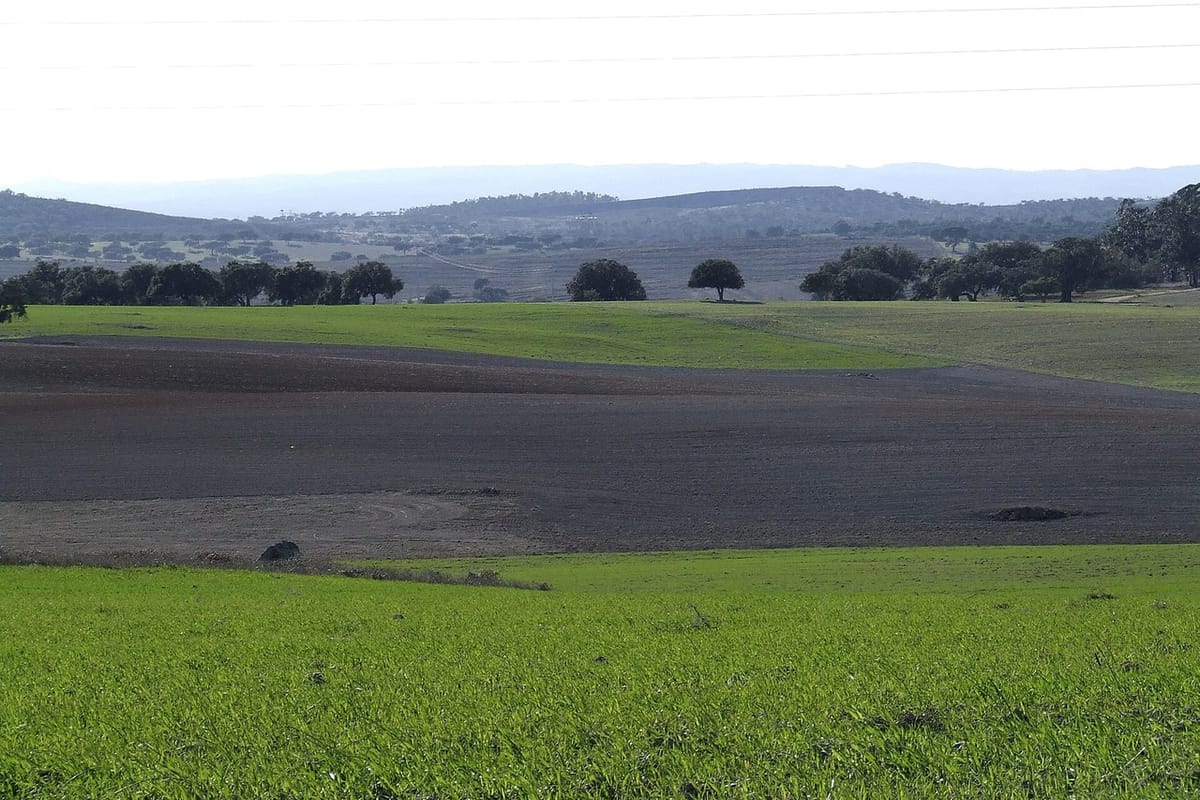
Portugal's environment inspectorate is to investigate what is being spread on farmland in three councils of the Beja district, after months of complaints about a nauseating smell and "clouds" of flies that residents blame on sludge used as fertiliser.
The Environment and Energy Minister, Maria da Graça Carvalho, formally asked the IGAMAOT (Inspeção-Geral da Agricultura, do Mar, do Ambiente e do Ordenamento do Território: the General Inspectorate of Agriculture, Sea, Environment and Spatial Planning) to step in on 26 October, her ministry said in a statement sent to the Lusa news agency on Friday. The complaints come from Aljustrel, Castro Verde and Mértola.
What the inspectors will look at
The request followed a report from the CCDR Alentejo (the regional coordination and development commission) and the APA (Agência Portuguesa do Ambiente, the Portuguese Environment Agency) that raised doubts about the material being applied to the fields. According to the ministry, it is sold as a compost fertiliser, and the question is whether it really matches the product entered in the national register of non-harmonised fertilising materials.
The inspectors are to check:
- the nature and origin of the material;
- what treatment it went through;
- how it was transported, and how it was used on the land;
- whether every legal requirement, including environmental law, was met, and whether preventive or corrective measures are needed.
The ministry points out that IGAMAOT is a criminal police body with powers to inspect and investigate environmental offences, and it asked the CCDR to hand over everything it holds. It also asked that no one jump to conclusions before the inspection and the laboratory analyses are complete.
How it got here
The problem is not new. The Castro Verde and Casével parish union first reported it to the CCDR in August 2025, which led to inspections with the GNR (the National Republican Guard) at two farms in Aljustrel. In a reply seen by Lusa in September, the CCDR said that one farm was using two compost products listed in the register, that their composition might have changed after registration, and that it had reported the case to the ASAE (Autoridade de Segurança Alimentar e Económica, the food and economic safety authority).
The complaints returned this year. Aljustrel council wrote to the CCDR and the APA in July. Castro Verde council followed in August, and its mayor, António José Brito, told Lusa in September that the spreading had caused "negative and unacceptable impacts" on homes and on tourist accommodation, and that the heavy lorries carrying the material were wearing out municipal roads. The minister saw the situation herself during a visit to Castro Verde on 4 September and gave the APA and the CCDR ten days to report on what they had done.
The rules, and what residents can do
Spreading treated sewage sludge on farmland is legal in Portugal under Decreto-Lei n.º 276/2009 (Decree-Law 276/2009), which transposes an EU directive. It makes the use of sludge on farmland subject to a licensed sludge management plan, and it defines treatment as cutting both the pathogens and the fermentation that produces unpleasant odours. The question in the Beja district is whether what reached the fields was a registered compost at all.
Anyone affected by smells, flies or suspected dumping can report it to their council and to the GNR's environmental protection service (SEPNA) on its SOS Ambiente e Território line, 808 200 520. The CCDR Alentejo is the regional authority for the licensing side.
The inquiry joins other environmental disputes in the region, including the lawsuit over a 260-hectare tangerine orchard near Alcácer do Sal. No date has been given for the inspection's findings.