Getting a Recreational Boating Licence in Portugal in 2026 — A Practical Guide to the Five Carta de Navegador de Recreio Categories, the Medical Certificate, Registering Your Boat and Recognising a Foreign Licence
A practical guide to boating in Portugal: the five carta de navegador de recreio licence categories and their distance limits, the medical certificate, how to register your boat (and the 2.5m/4.5kW exemption), the on-board documents, and how a foreign licence is recognised — under Decreto-Lei 93/201
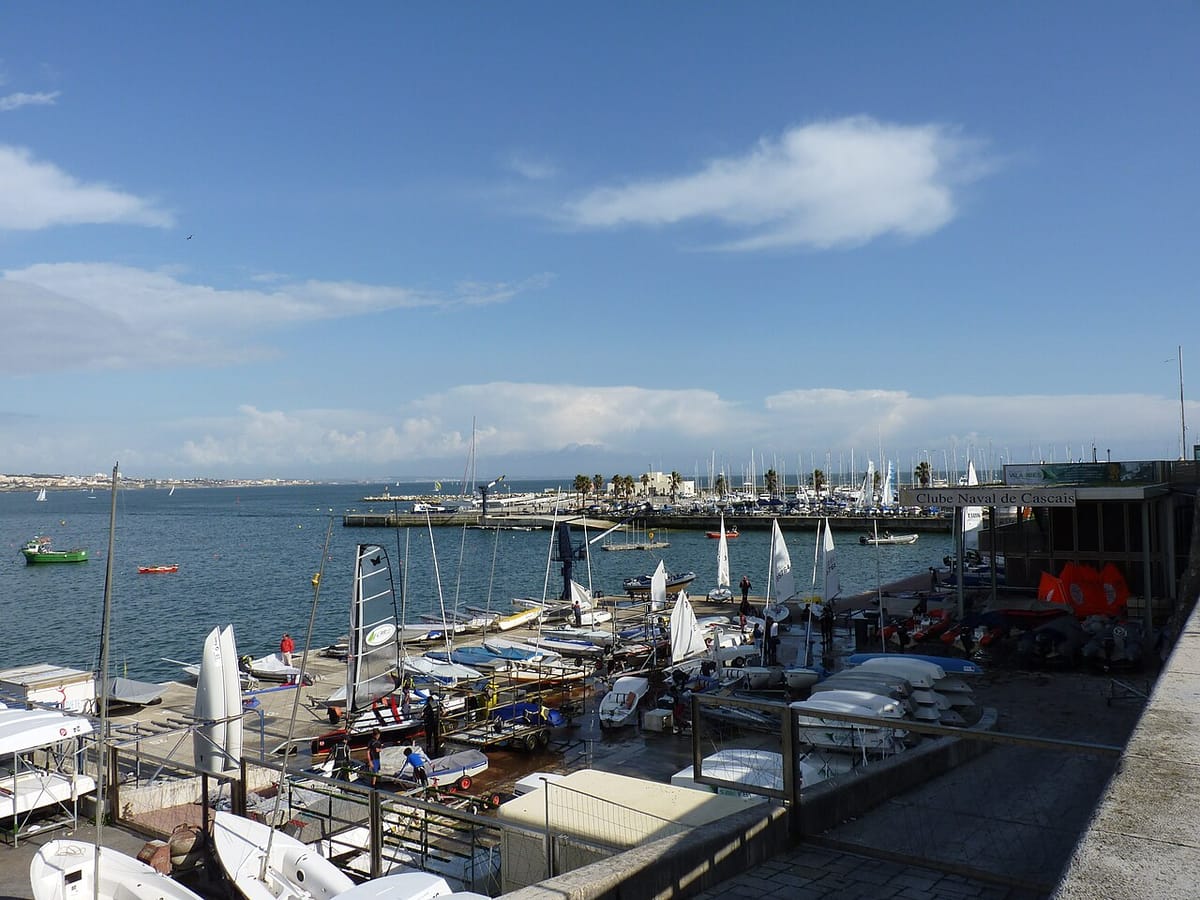
Portugal's coast, its estuaries and the reservoirs of the interior are made for small-boat cruising, and every summer more residents — Portuguese and foreign alike — think about buying a modest motorboat or a sailing dinghy of their own. Before you cast off, though, there are two separate pieces of paperwork to understand: the licence that qualifies you to command a pleasure craft, and the registration that legalises the boat. This guide walks through both, under the rules set by Decreto-Lei n.º 93/2018 (the Regime Jurídico da Náutica de Recreio — the Legal Framework for Recreational Boating), which are administered by the DGRM (Direção-Geral de Recursos Naturais, Segurança e Serviços Marítimos — Directorate-General for Natural Resources, Safety and Maritime Services).
The five licence categories
The Portuguese skipper's licence is the carta de navegador de recreio, and it comes in a ladder of five categories, each authorising you to command a bigger boat further from shelter:
- Marinheiro Júnior (Junior Sailor) — command of recreational craft up to 6 metres in length and 4.5 kW of installed power, in daylight only, up to a maximum of 1 nautical mile from the low-water line and 3 miles from any port of refuge.
- Marinheiro (Sailor) — daylight navigation up to 3 miles from the coast and 10 miles from any port of refuge, with length and power limits that depend on the holder's age (a 16-to-18-year-old is capped at a smaller, lower-powered boat than an adult).
- Patrão Local (Local Skipper) — navigation within sight of the coast, up to 25 miles from a port of refuge and 6 miles from the coast.
- Patrão de Costa (Coastal Skipper) — up to a distance not exceeding 40 miles from the coast.
- Patrão de Alto Mar (Offshore/High-Seas Skipper) — ocean navigation with no area limit.
Most people who want to potter around a bay, a marina or an estuary need only the Marinheiro or Patrão Local level; the higher categories are for genuine coastal and offshore passages.
How to get the licence
There are two routes. You can train and sit the exams through an entidade formadora de navegadores de recreio (EFNR — a school credentialed by the DGRM), which is the usual path and combines theory with practical instruction; or, where the rules allow, progress by proficiency exam — for example, a Marinheiro Júnior who turns 16 can move up to Marinheiro by passing the relevant test. Every application must be backed by a medical certificate (atestado médico) attesting to your physical and psychological fitness to navigate, issued within the six months before the request (a maritime medical certificate also qualifies).
Licences do not expire on a fixed calendar for younger holders, but renewal becomes periodic with age: from 70 you must renew every five years, and from 80 every two years, each renewal again requiring a fresh medical certificate. Fees are set out in the DGRM's published tabela de taxas (fee table) and vary by category and by whether you want the card in digital form only or digital-plus-physical; as a reference point, renewing an expired Marinheiro or Patrão Local card with the theory exam runs to about €134 for the digital-and-physical version, or roughly €121 digital-only.
Registering the boat
A recreational vessel in Portugal must be registered before it can be used — using an unregistered boat is not an option. Registration is handled by the DGRM (which also classifies craft for ocean, offshore or coastal navigation), and it produces the boat's core document, the livrete da embarcação de recreio (the vessel's registration booklet). The registration has to be updated whenever ownership is transferred or the boat's name or main characteristics change.
There is one useful exemption: auxiliary craft of 2.5 metres or less and 4.5 kW or less — think a small tender or dinghy — are not subject to any registration, survey, inspection, verification or fee at all. Everything above that threshold must go through the process.
When you are on the water, the documents you are expected to carry on board are the boat's livrete, your carta de navegador de recreio, the civil-liability insurance policy (apólice do seguro de responsabilidade civil) where one is required, and proof of payment of the Imposto Único de Circulação (IUC — the annual circulation tax) where it applies.
If you already hold a foreign licence
You do not necessarily have to start from scratch. The DGRM operates an equivalência/equiparação (equivalence and recognition) system for boating licences issued by other EU states and by third countries, converting or recognising a foreign carta so that its holder can command the corresponding class of vessel in Portuguese waters. This is the route most incoming residents will use, and, like the licences themselves, it carries its own DGRM fees — recognition of a third-country card, for instance, is a modest administrative charge rather than a full re-examination. If your qualification was issued abroad, check the DGRM's equivalence tables for your specific certificate before assuming it is or is not accepted.
A note on the radio
The skipper's licence and the boat's registration are the two essentials, but a VHF marine radio is governed separately: operating one requires the appropriate radio-operator certificate, which is a distinct qualification from the carta de navegador de recreio. If your boat carries fixed VHF, factor that in as a third piece of paperwork.
Where this sits
The recreational-boating rules are a companion to the fishing regime we covered recently: if your plan is to drop a line rather than simply cruise, see our guide to recreational sea fishing and the DGRM licence. It is also worth knowing that the authorities have tightened enforcement on the water in other areas — from the crackdown on unregistered high-speed craft to the annual Blue Flag certification of marinas that many recreational sailors use as their home berth. Getting your own licence and registration in order is the price of joining them legally.
This guide summarises the general framework under Decreto-Lei n.º 93/2018 and DGRM practice; exact fees, medical requirements and category limits can change, so confirm the current detail with the DGRM before you apply.