Germany's Hennig Picks Figueira da Foz for a €51 Million Data-Centre Power Plant and 452 Jobs
Germany's Hennig will build its first large-scale European plant in Figueira da Foz — a €51 million investment with €7.7 million in state support and around 452 jobs, making power-protection systems for data centres, hospitals and public buildings. Production starts in early 2028.
A German industrial group is bringing a €51 million factory and roughly 450 jobs to the central coast, in one of the larger foreign investments the government has landed this summer. Hennig, a maker of power-protection equipment, will build its first large-scale European production unit in the Zona Industrial do Pincho (Pincho Industrial Estate) in Figueira da Foz, under an investment contract signed on Thursday with AICEP, the Agência para o Investimento e Comércio Externo de Portugal (Agency for Investment and Foreign Trade).
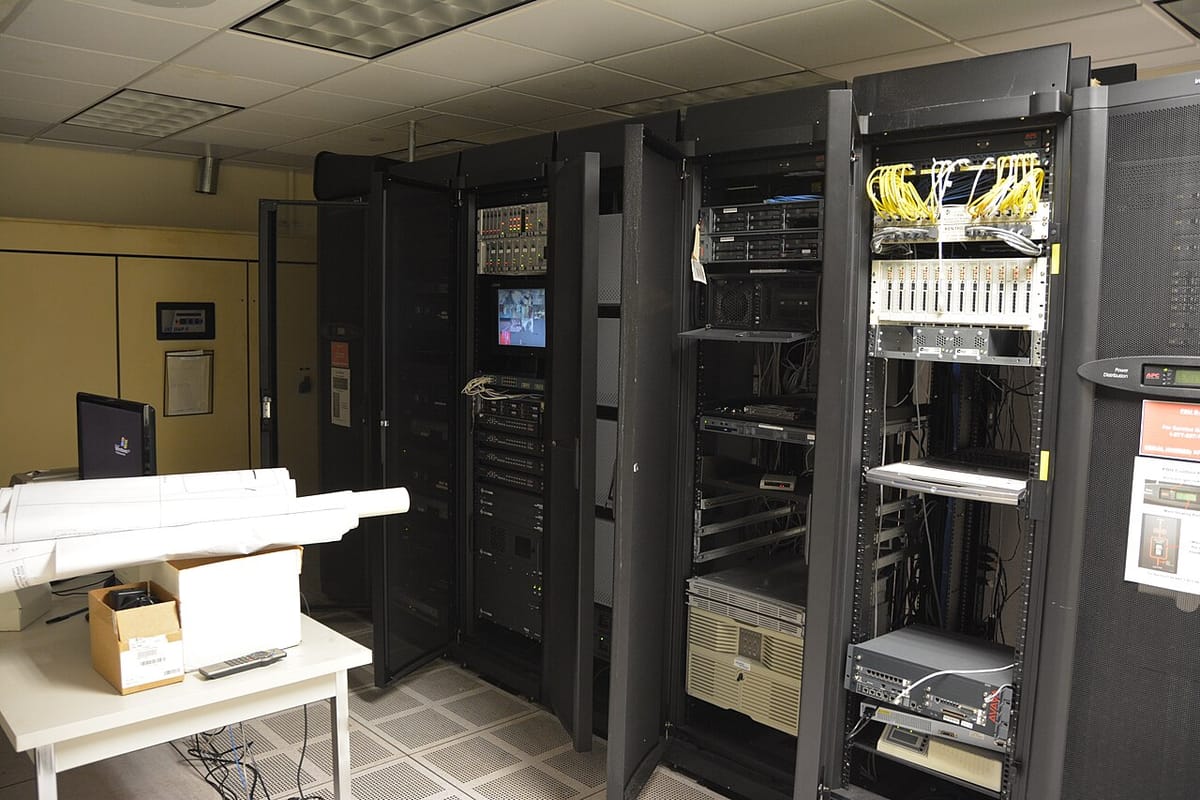
The plant will belong to Hennig’s Power Protection division, which designs the systems that keep electricity flowing to installations that cannot afford to go dark — data centres, hospitals and public buildings. As artificial intelligence drives a global scramble to build computing capacity, demand for the uninterruptible power and backup systems those data centres depend on has surged, and Figueira da Foz will become the group’s European hub for building that equipment at scale.
The numbers are substantial for a city of some 60,000 people. The €51 million investment carries €7.7 million in state financial support and is expected to create around 452 jobs. Construction is scheduled to run until the end of 2027, with production starting in early 2028; in the meantime, Hennig will train its future workforce through an 18-month programme run under a long-term lease in nearby Santana.
Hennig is German in origin but sits within the American group Goellner Inc., and counts industrial heavyweights such as Rolls-Royce and Caterpillar among its partners — a supply-chain pedigree that helps explain why the government was keen to secure the deal. The signing ceremony drew a notable turnout, led by Prime Minister Luís Montenegro and including Philomène Dias, executive administrator of AICEP, Goellner chief executive Dietmar Goellner, and the mayor of Figueira da Foz, Pedro Santana Lopes.
“This investment confirms international investors’ confidence in Portuguese economic competitiveness,” said Manuel Castro Almeida, the Minister for the Economy and Territorial Cohesion, framing the deal as evidence that the country can attract advanced-manufacturing capacity rather than only warehouses and call centres.
For the government, the appeal is threefold. The project lands skilled industrial work outside the Lisbon and Porto metropolitan areas, in a district that has spent years courting investment for the Pincho estate. It plugs Portugal into the fast-growing supply chain around data centres — a sector the country is trying to build out on the back of new subsea cables and cheap renewable power. And it arrives as the finance ministry insists the wider economy is accelerating, with exports and tourism growing and unemployment below 6%.
Much still has to be delivered: the timeline stretches to 2028, the training programme has yet to begin, and 452 jobs is a projection rather than a headcount. But for Figueira da Foz, a summer resort town that has long wanted to be more than a beach, the arrival of a Rolls-Royce-linked manufacturer building the guts of the data-centre economy is the kind of anchor investment that can reshape a local labour market for a decade.