Gaia Abandons a €700,000 Plan to Fence the Jardim do Morro Three Days After Announcing It
A petition passed 1,400 signatures and the Socialist opposition demanded a public debate. The deputy mayor who conceived the iron fence, two gates and overnight closure has dropped it, and says this will be his last term.
Three days after telling a newspaper that Vila Nova de Gaia would put an iron fence and a closing time around the Jardim do Morro, the council's deputy mayor has dropped the plan. Firmino Pereira, elected on the PSD, CDS-PP and IL coalition ticket and responsible for the public equipment and public space portfolio, told Observador on Thursday that the idea would not proceed.
"Since it was my idea, and since I realised that the controversy had set in, and since I do not intend to be in politics with controversy and with the aggressiveness of our society, the idea will not go ahead," he said. He added that this will be his last term as a member of a municipal executive in Gaia.
What was actually proposed
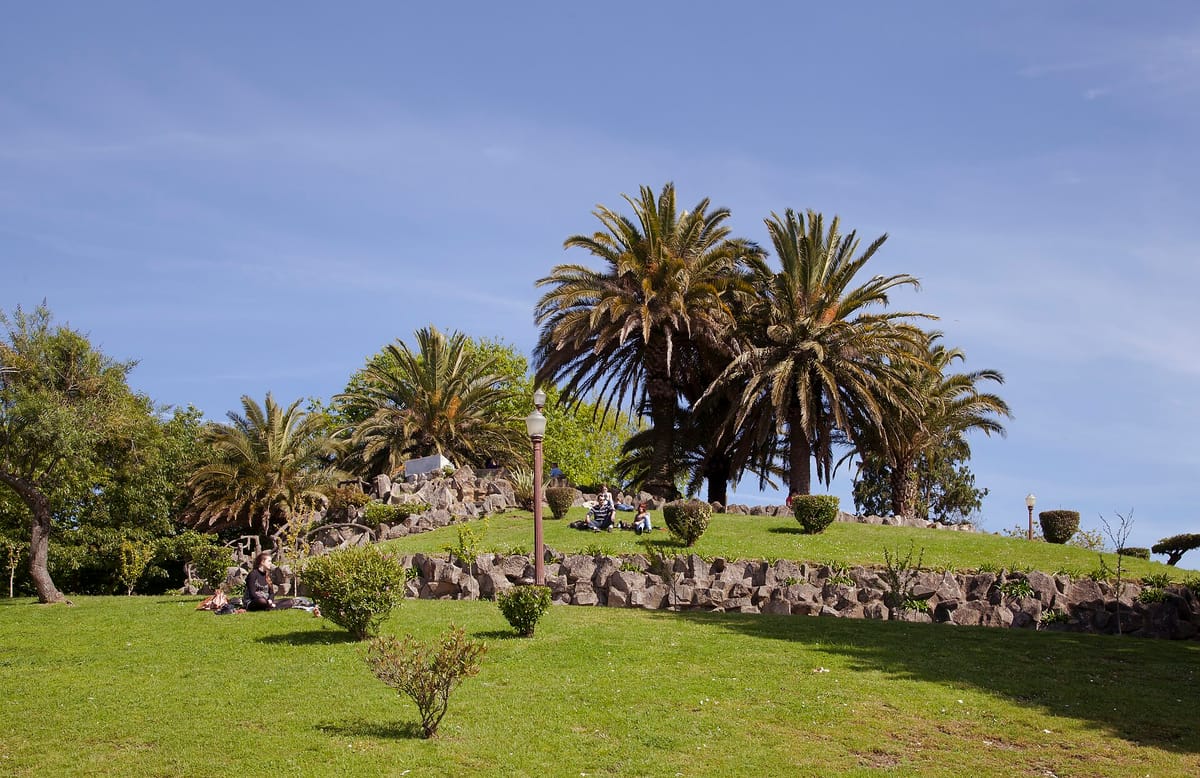
The Jardim do Morro sits on the Gaia bank of the Douro, at the upper deck of the Dom Luís I bridge and beside the Mosteiro da Serra do Pilar (Serra do Pilar Monastery). Its lawns face directly across at Porto's Ribeira, which has made it the single most reliable sunset spot in the metropolitan area and, through social media, a fixture on visitor itineraries. It also serves as an open-air concert stage.
Pereira's plan, as he described it to Jornal de Notícias and Público earlier in the week, involved:
- a fence in iron, chosen to sit visually alongside the monastery and the bridge;
- only two controlled entrances;
- opening hours of 8am to 8pm in winter and 8am to 10pm in summer, with the garden closed overnight;
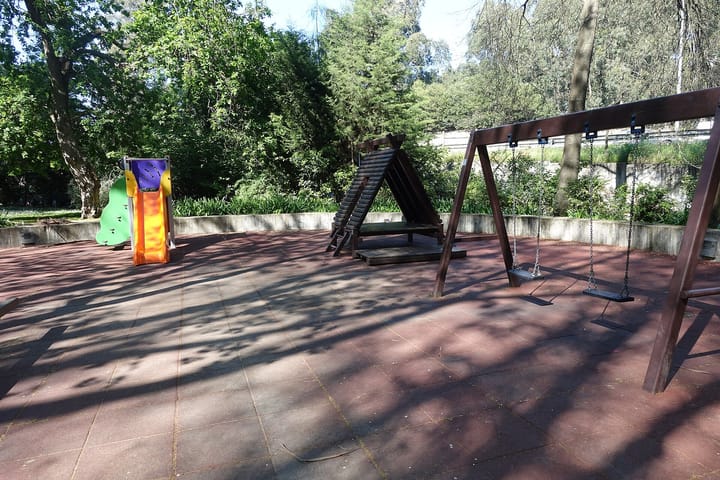
- new public toilets, leisure areas, a remodelled children's playground and the reopening of a grotto shut on safety grounds;
- space for a permanent police presence and video surveillance.
The money and the timetable were already sketched: a €700,000 tender to be launched by October, works starting in February, and completion by May 2027, the centenary of the garden's opening. Access was to remain free. Pereira said the whole scheme had been conceived by him personally and had not been put to the rest of the council executive before it became public.
Why it collapsed so fast
Pereira's stated motive was disorder. Residents near the garden, he said, described "an atmosphere of unease", with reports of scuffles and drug use at night. He noted the site had not even had street lighting when he took office, that the Municipal Police and the PSP had reduced some of the negative effects since March, and that "the overwhelming majority" of the thousands of tourists who come are peaceful people who simply want to enjoy the view.
The reaction ran the other way. An online petition demanding the immediate suspension of the process, and a formal public participation procedure before any decision, passed 1,400 signatures. Notably, the signatories did not object to the refurbishment itself, only to the fence and the imposed closing hours. On social media, some assumed the council intended to start charging admission; Gaia denied it.
The Socialist opposition pressed hardest on process. João Paulo Correia, a councillor without portfolio and a former Secretary of State, wrote that "the fence is the confession that every measure already implemented by Luís Filipe Menezes has failed" and demanded a public debate. "Nobody denies there are problems to resolve in that space, and there are measures we support, such as the toilets, the recovery of the playground or the requalification of the grotto," he said. "What is not acceptable is that so little is known about such a significant decision." He said the PS would table the matter at forthcoming council and municipal assembly meetings.
What this means for you
- Nothing changes at the garden today: the Jardim do Morro stays open, unfenced and free, with no closing time.
- The refurbishment is not dead: toilets, the playground and the grotto had cross-party support. Expect a version of the works to return, without the perimeter.
- If you live nearby: the night-time complaints that prompted this have not been answered, so policing and lighting are the levers the council has left.
- For visitors: the viewpoint remains reachable on foot across the bridge's upper deck or by metro to Jardim do Morro station, and by the Douro ferry crossings between Porto and Gaia.
- Consultation is the lesson: a €700,000 scheme announced through the press, before the executive saw it, lasted 72 hours.
Gaia now arrives at the garden's centenary with the same problems it had on Monday and one fewer plan to solve them. Whether the next proposal comes with a public consultation attached is the more interesting question.