From Avocados to Mango and Azorean Coffee, a Warming Portugal Turns Increasingly Tropical as Traditional Orchards Struggle
Avocado orchards now top 2,100 hectares in Portugal, mostly in the Algarve, as a warming climate makes room for mango, kiwi and even Azorean coffee — while traditional fruit and vines struggle. The catch: thirsty crops spreading through a drought-prone region.
Portugal's farmland is quietly changing colour. Alongside the vines, olives and citrus that have defined its landscape for centuries, growers are planting avocados, mangoes, kiwis and even coffee — crops once associated with the tropics that now find a foothold in a country warming faster than it can adapt. What began as an Algarve curiosity has become a structural shift, and this week it drew fresh attention as the agricultural press framed the trend bluntly: an increasingly tropical Portugal.
The driver is climate. Rising maximum temperatures, longer dry spells and — crucially — fewer cold winter nights are reshaping what can be grown where. That is a mixed blessing. The same loss of winter chill that welcomes subtropical fruit undermines traditional crops, from stone fruit that needs cold hours to set, to the viticulture that depends on a reliable seasonal rhythm. Portugal is gaining new agricultural options at the very moment its established ones grow harder to sustain.
Avocados lead the charge
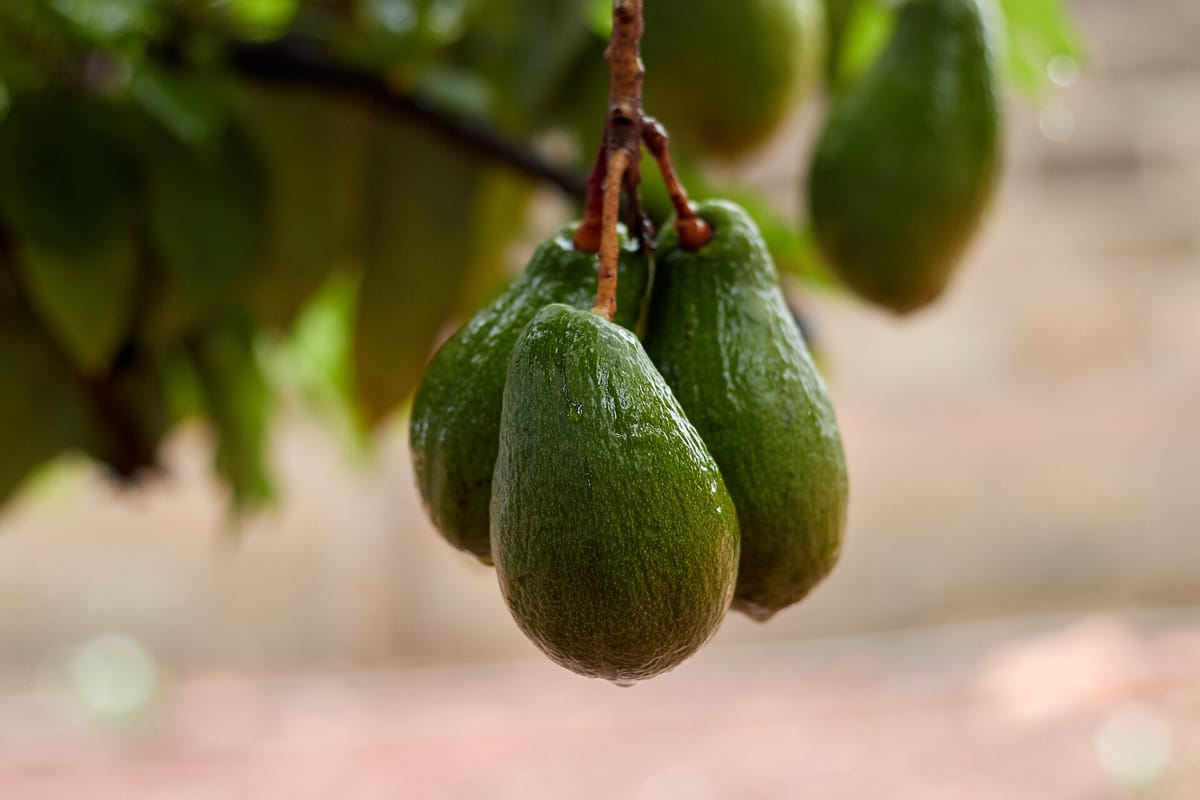
No crop illustrates the shift better than the avocado. Orchards now cover more than 2,100 hectares nationally, overwhelmingly concentrated in the Algarve, spread across roughly 180 farms. The 2019 Recenseamento Agrícola (Agricultural Census) recorded a boom in subtropical planting — the area under such orchards more than doubled, up about 149%, with kiwi plantations alone expanding some 126%. The Algarve's mild microclimate gives it an edge: yields of around 12 tonnes per hectare comfortably beat the roughly 8 tonnes recorded in Málaga, just across the border in Spain.
The money is almost entirely export-driven. Around 90% of the Algarve's avocado output leaves the country, feeding northern European demand that has surged over the past decade. The sector's momentum is drawing serious investment: in 2025, Trops — a large Málaga-based avocado and mango cooperative — opened a new production and packing centre in Tavira, betting nine million euros that the eastern Algarve can become a Portuguese hub for the fruit.
- Avocado area: more than 2,100 hectares, mostly in the Algarve, across about 180 farms.
- Subtropical surge: orchard area up roughly 149%, with kiwi up about 126% (2019 census).
- Export share: around 90% of Algarve avocados are shipped abroad.
- New frontier: the Azores began producing coffee commercially in 2023, one of the few places in Europe that can.
The water problem
The catch is water. Avocado trees are thirsty — a single mature tree can drink around 80 litres a day — and they are spreading through a region that regularly slides into drought. The tension came to a head in 2023, when the government refused to authorise new permanent crops, including olive groves, avocados and red fruits, in parts of the drought-stressed Algarve and Alentejo, wary of locking scarce water into decades-long plantations. That moratorium underlined the central dilemma: the crops best suited to a hotter Portugal are also among the most demanding on the resource climate change is making scarcest.
The pressure is compounded by a punishing summer. Portugal has been gripped by a heatwave pushing past 40°C with tropical nights, and the wider risk landscape is stark, with the country recently triggering the EU Civil Protection Mechanism as dozens of wildfires burned. Against that backdrop, farmers weighing water-hungry orchards are making a long bet on a resource under mounting strain.
A crop map being redrawn
The transformation cuts both ways for Portugal's signature products. Winemakers are already adapting to earlier harvests and shifting grape chemistry — even as the country bucks a global decline in wine consumption. The government has acknowledged the scale of the challenge, tabling a 2030 climate-adaptation strategy that treats heat, drought and water stress as central threats to agriculture rather than distant risks.
What This Means for Expats
- At the market: Expect more Portuguese-grown avocados, mangoes and kiwis on shelves — though much of the premium Algarve crop is destined for export, so the best fruit may not stay local.
- If you farm or invest in land: Subtropical orchards can be highly profitable, but water access is the make-or-break factor, and new permanent-crop licences face tightening restrictions in drought zones. Check regional water allocations before buying.
- Property in the Algarve and Alentejo: Agricultural land use is increasingly shaped by water policy. Rules on boreholes, irrigation and new plantings can materially affect rural-property value and plans.
- The bigger picture: Climate adaptation is becoming a practical, everyday issue in Portugal — from water bills to fire risk to what grows in your garden — not an abstract future concern.
Portugal's tropical turn is a vivid marker of how fast its climate is moving. Whether it becomes a lasting agricultural success or a cautionary tale about planting thirsty crops in a drying land will depend, above all, on how the country manages its water in the decades ahead.