Portugal Triggers the EU Civil Protection Mechanism and Asks Spain and Morocco for Water-Bombers as 46 Wildfires Burn in a Red-Alert Heatwave
With almost the entire mainland at very high or maximum fire risk and temperatures above 40C, Portugal activated the EU Civil Protection Mechanism on Friday and asked Spain and Morocco for Canadair water-bombers. Some 46 rural fires are burning; the Vouzela blaze alone has scorched over 7,000 hectar
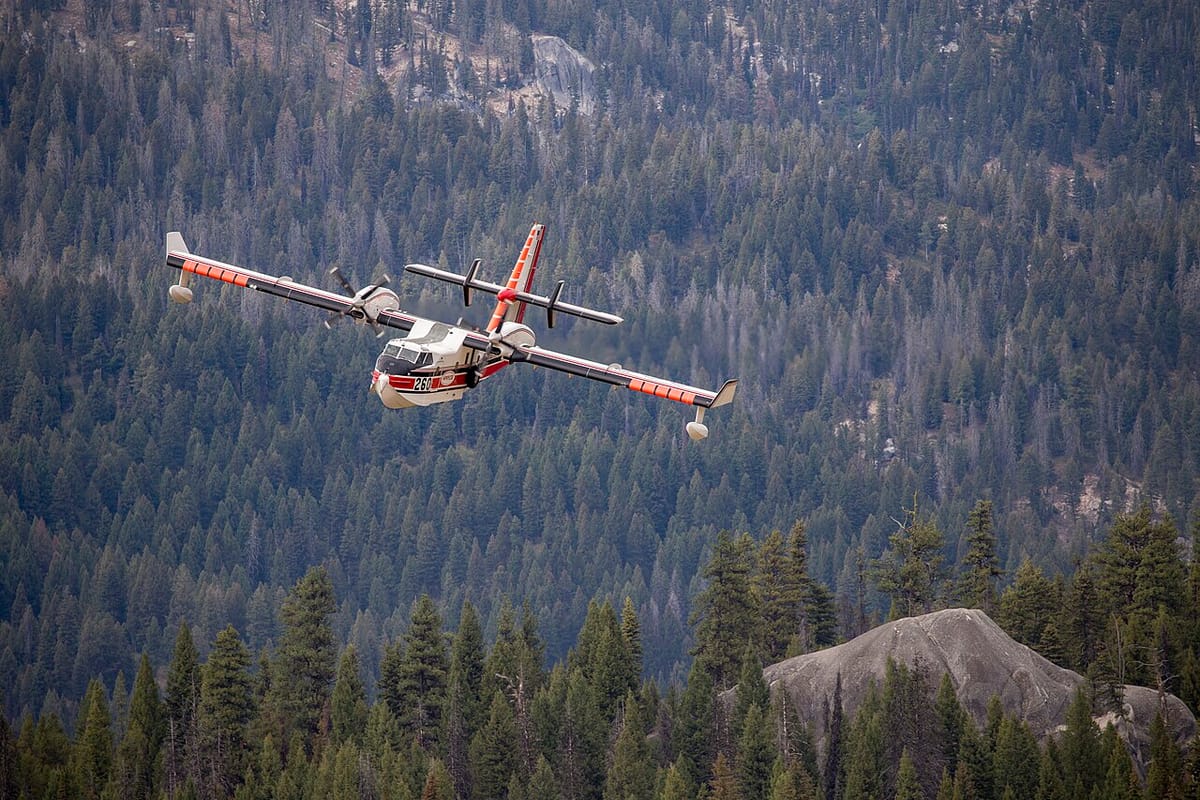
With almost the entire mainland under a very high or maximum risk of fire and temperatures pushing past 40°C, Portugal activated the European Union Civil Protection Mechanism (Mecanismo Europeu de Proteção Civil) on Friday, calling in foreign aircraft to help fight a wave of summer wildfires. Prime Minister Luís Montenegro announced the decision after a Council of Ministers (Conselho de Ministros) meeting held in Guimarães, alongside bilateral requests for help to Spain and Morocco.
By Friday evening the National Emergency and Civil Protection Authority (ANEPC) counted roughly 46 active rural fires, with about 2,400 firefighters, more than 700 vehicles and 28 aircraft committed nationwide. Spain agreed to release one of the two Canadair amphibious water-bombers Portugal had requested, and the same request was put to Morocco under a standing bilateral accord.
Vouzela fire burns more than 7,000 hectares
The most serious blaze began early Thursday in Tourelhe, in the municipality of Vouzela, and spread into Oliveira de Frades, Tondela and Águeda. Within 33 hours it had consumed more than 7,191 hectares — the equivalent of roughly 10,000 football pitches. Authorities reported nine people injured, two of them seriously: one with second- and third-degree burns and another with severe head trauma. Close to 1,000 operatives, some 320 vehicles and more than ten aircraft were assigned to that fire alone, and several villages in the Caramulo range — among them Matadagas, Mansores and Belazeima do Monte — were evacuated.
Montenegro framed the appeal as pre-emptive: not because national capacity was exhausted, he said, but to keep domestic reserves ready rather than shuffle crews and aircraft between regions as new fires ignite.
A pre-emptive call after earlier criticism
The government declared a nationwide alert (situação de alerta) running from Friday midnight until 23:59 on Monday, with 12 to 13 districts under a red heat warning. The forecast is punishing: highs above 40°C, relative humidity below 20% and wind gusts of 45 to 55 km/h — the exact recipe for fast-moving fire. Under the alert, several agricultural activities, machinery use and any burning are prohibited. The move follows months of criticism that Lisbon had been too slow to seek EU help during the February storms, and it lands as the same heat drives the labour-protection duties the government recently reminded 200,000 employers to observe.
What this means for residents
- Travel: expect road closures and diversions across central Portugal (Viáseu, Aveiro and Coimbra districts). Check ANEPC and IPMA alerts before driving through forested interior routes this weekend.
- Rural property owners: the alert bans burning, fireworks and much outdoor machinery; fines apply. Keeping the legally required cleared perimeter (faixa de gestão de combustível) around houses is now a live safety issue, not paperwork.
- Health: the health directorate (DGS) has raised its heat-risk level; vulnerable residents should limit exertion and stay hydrated as smoke degrades air quality near the fire fronts.
With the heatwave forecast to hold into next week, the number of ignitions — and the strain on Portugal’s firefighting fleet — is likely to climb before it eases. The early call for allied water-bombers signals a government determined not to be caught short a second time in one year. On the fire-fleet side of the file, the 23 forest firefighting trucks Timor-Leste's donation has just paid for sets out the contracts CCDR-Norte signed in Penafiel with brigades in 17 northern councils, the 75 percent funding rate capped at €187,500 a vehicle, and the 30 April 2027 deadline for getting them into DECIR.