Portugal Braces for a 40°C Heatwave as Forecasters Warn of Tropical Nights and Rising Fire Risk
After a brief cool spell, IPMA expects a new heatwave from Thursday, with highs near 40°C in Lisbon and up to 42°C in the interior into early July, warm tropical nights and a sharp rise in wildfire risk across the country.
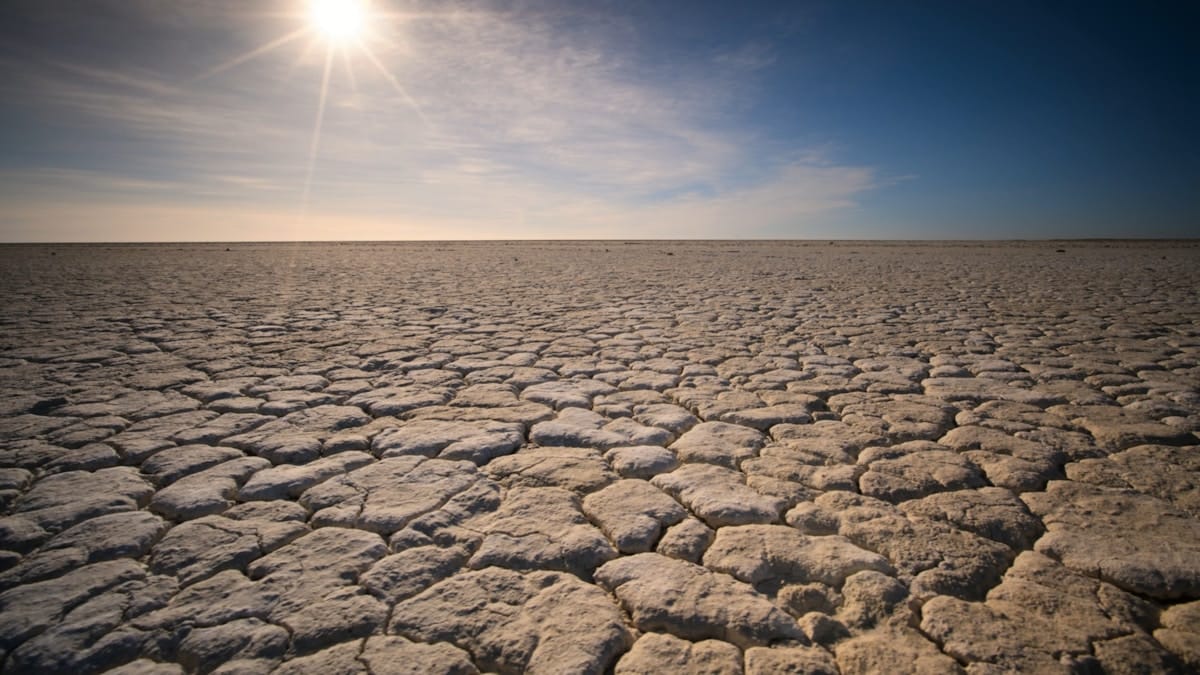
Portugal is bracing for its second major heatwave of the summer, with the national weather service forecasting temperatures of around 40°C in Lisbon and up to 42°C across the interior from the middle of the coming week. After a brief, unusually mild spell between 24 and 27 June — the product of an Atlantic depression that pushed cooler, damper air over the mainland — the Instituto Português do Mar e da Atmosfera (Portuguese Institute for Sea and Atmosphere, IPMA) expects the mercury to climb steeply from Thursday and to stay elevated into the first days of July.
For the roughly one million foreign residents in Portugal, many of whom arrived from cooler northern European climates, the forecast is a reminder that the Portuguese summer is not only a tourism asset but a genuine public-health event — one the authorities now manage with a standing contingency plan.
What the forecast shows
According to IPMA's outlook for the week of 29 June to 5 July, the heat builds gradually before peaking late in the week:
- Lisbon: highs near 40°C on Thursday and around 39°C on Friday, with overnight lows that barely fall — between roughly 23°C and 26°C — offering little relief after dark.
- Porto: noticeably cooler on the coast but still hot, with highs around 35°C from Thursday and nights near 22°C.
- Interior and the south: the highest readings, between 40°C and 42°C, are expected from around 3 July in the Ribatejo and the inland Alentejo, the regions that routinely record Portugal's hottest temperatures.
The defining feature of this episode is the combination of daytime heat and warm "tropical nights" — nights when the temperature never drops below 20°C. Health specialists regard those sleepless, un-cooling nights as the most dangerous element of any heatwave, because the body never gets a chance to recover.
IPMA classifies a heatwave (onda de calor) technically: it requires at least six consecutive days on which the daily maximum is more than 5°C above the 1971–2000 average for that location. The agency typically issues yellow (amarelo) and orange (laranja) warnings as the threshold approaches, escalating to red (vermelho) for the most extreme conditions.
Fire risk climbs with the thermometer
The heat arrives with the wildfire season already active. Earlier in June, a short heat spike pushed seventeen municipalities into the top wildfire-danger band and drove a surge in emergency calls. With dry vegetation, low humidity and the prospect of sustained high temperatures, IPMA's rural fire-risk index (perigo de incêndio rural) is expected to push large numbers of municipalities across the interior into the "very high" and "maximum" categories.
During periods of heightened risk, the Integrated System for Rural Fire Management can trigger a situação de alerta, under which lighting fires, burning agricultural waste, using fireworks and operating certain machinery in or near woodland are banned. Residents in rural areas should assume restrictions are in force and check the daily risk map before any outdoor burning.
The health response
Portugal's Directorate-General of Health (Direção-Geral da Saúde, DGS) runs a summer contingency plan, Saúde Sazonal — Módulo Calor, that activates heat-health alerts and coordinates hospitals, the national emergency medical institute (INEM) and local councils when forecasts turn severe. Heatwaves are not a theoretical danger here: past episodes have been linked to several hundred excess deaths in a matter of days, overwhelmingly among people aged 75 and over and those with chronic cardiovascular or respiratory conditions.
The standard public-health guidance is straightforward but easy to ignore: drink water regularly without waiting to feel thirsty, avoid alcohol and heavy meals, keep blinds and shutters closed during the day and ventilate at night, never leave children or pets in parked cars, and limit outdoor activity between roughly 11am and 5pm. People who feel dizzy, nauseous or confused, or who stop sweating, may be suffering heat exhaustion or heatstroke and should seek help immediately. The free SNS 24 telephone line and the 112 emergency number are the first points of contact.
A pattern, not an anomaly
Successive hot summers have hardened the consensus among Portuguese scientists and planners that extreme heat is becoming more frequent and more intense. The government has responded at the policy level: in late June it tabled a 2030 climate-adaptation strategy explicitly built around heatwaves, droughts, fires and floods. The same pressures are visible in water policy, where Portugal and Spain recently agreed a binding cross-border flow deal for the lower Guadiana to safeguard supply to the drought-prone Algarve.
What this means for expats
- Plan around the peak, not the average. A forecast "high of 40°C" for Lisbon means the hottest hours of the day are genuinely hazardous for outdoor work, sightseeing or exercise. Shift errands and exercise to early morning or late evening.
- Cooling has a cost. Air conditioning and fans push up electricity bills sharply in heatwave weeks. If you are new to the country, it is worth understanding how the domestic electricity market and tariffs work before the meter spins through a hot week.
- Check on older neighbours. The people most at risk are the elderly living alone — a group that includes many retired foreign residents. A daily phone call or visit during an alert can be lifesaving.
- Respect fire rules absolutely. A discarded cigarette, a garden bonfire or a spark from a strimmer can start a wildfire that carries criminal liability. If you live near woodland, keep the legally required defensible space cleared around your property.
- Know where to turn. Save 112 and the SNS 24 line (808 24 24 24) in your phone, and locate your nearest hospital emergency department (urgência) before you need it.
IPMA will refine its warnings as the week develops, and the precise peak could shift by a day either way. The direction of travel, though, is not in doubt: Portugal is heading into a hot, high-risk stretch, and the residents who fare best will be the ones who treat the forecast as an instruction rather than a curiosity. On the weather, drought and wildfire-risk side of the file, Portugal's slide into meteorological drought has the full picture as the fire season peaks.