Seventeen Municipalities Hit Top Wildfire Alert as a June Heat Spike Drives Up Emergency Calls
IPMA placed 17 municipalities across eight districts on maximum rural-fire danger as temperatures climbed toward 37C, while INEM logged roughly 6,000 more emergency calls this month than a year ago.
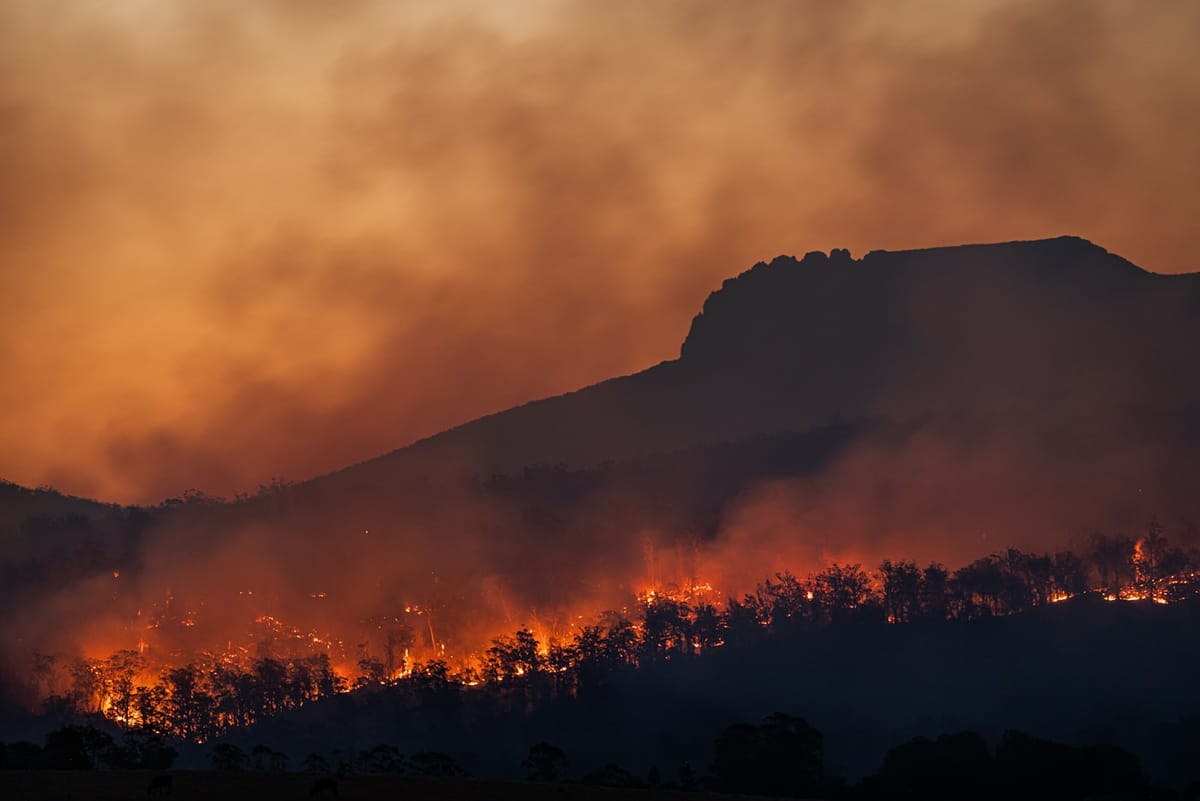
Portugal entered the second half of June under a punishing heat spell that pushed wildfire risk to its ceiling across the interior and the south, straining the country's emergency response well before the worst of the summer fire season arrives.
The IPMA (Instituto Português do Mar e da Atmosfera, the Portuguese Institute for the Sea and Atmosphere) placed 17 municipalities spread across eight districts at the level of "perigo máximo" (maximum danger), the top rung of its rural-fire risk scale. The list reached from the far north into the Algarve: Montalegre and Chaves in Vila Real; Vinhais, Bragança, Macedo de Cavaleiros, Vimioso, Miranda do Douro and Mogadouro in Bragança; Figueira de Castelo Rodrigo, Pinhel and Almeida in Guarda; Armamar, Moimenta da Beira and Tabuaço in Viseu; Pampilhosa da Serra in Coimbra; Oleiros in Castelo Branco; and Tavira in Faro.
The combination behind the alert is a familiar and dangerous one — high temperatures, low humidity and wind. IPMA issued an orange warning, its second-highest, for Bragança, Guarda and Vila Real, before stepping the three districts down to a yellow warning into the following day. Viseu, Évora, Porto, Viana do Castelo, Coimbra, Castelo Branco, Braga and Portalegre were also held under yellow warnings for the heat. Forecast highs ranged from a mild 22 degrees Celsius in Aveiro on the coast to 37 degrees in Évora in the interior.
Forecasters also flagged the risk of dry thunderstorms, where lightning strikes parched ground with little accompanying rain. The accompanying gusts, IPMA cautioned, can carry "destructive" force — a particular worry in tinder-dry forest and scrubland where a single ignition can spread quickly.
Emergency lines feel the strain
The heat is already showing up in the health system. The INEM (Instituto Nacional de Emergência Médica, the National Institute of Medical Emergency) recorded around 97,900 calls between 1 and 21 June, an average of 4,660 a day. That is up from a daily average of 4,377 over the same stretch of 2025 — roughly 6,000 additional calls, or a 6.5% increase.
INEM said the most common emergencies involved breathing difficulties, cardiovascular complications, dehydration and loss of consciousness, all of which are aggravated by prolonged exposure to heat. The elderly, people with chronic illness, young children and those working or exercising outdoors face the greatest danger. The service noted that the trend is "consistent with the increase in activity observed since the end of May," and that the Algarve, swollen by summer arrivals, has triggered a seasonal reinforcement plan running through September.
Authorities urged residents to avoid any activity that could spark a blaze — burning cleared vegetation, using machinery that throws sparks, or discarding cigarettes — and to check on vulnerable neighbours during the hottest hours. With the meteorological summer only days old, the early pressure on both firefighters and ambulance crews is a reminder of how thin the margin can be once the thermometer climbs.