Portugal Drinks More Wine While the Rest of the World Cuts Back: Global Consumption Falls to a 1957 Low, Leaving a Three-Year Surplus
OIV figures show global wine consumption fell 2.7% to 208 million hectolitres - the lowest since 1957 - while production rose, leaving a surplus analysts liken to three years of drinking. Nine of the ten top markets shrank; only Brazil and Portugal (up 5.6%) grew, a double-edged result for Portugal'
The world is drinking less wine than at any point since 1957 — but Portugal is one of the few places drinking more. New figures from the International Organisation of Vine and Wine (Organização Internacional da Vinha e do Vinho, OIV) show global consumption fell 2.7% to 208 million hectolitres, while production edged up 0.6% to 227 million hectolitres, opening a gap that leaves the sector sitting on a structural surplus analysts describe as equivalent to roughly three years of the world’s drinking.
That mismatch — production running some 19 million hectolitres ahead of demand in a single year, on top of already swollen stocks — is the wine industry’s central problem. When cellars are full and glasses are emptying more slowly, prices come under pressure and producers face hard choices about what to plant, press and, in some regions, pull up.
Nine of the ten biggest markets shrank
The decline was broad. Nine of the ten largest markets contracted, led by the United States, down 4.3% to 31.9 million hectolitres, with steep falls in Italy (-9.4%), Russia (-5.5%), Spain (-5.2%), Germany (-4.3%), France (-3.2%) and a 13% drop in China. Global exports slipped 4.7% by volume to 94.8 million hectolitres, and their value fell 6.6% to €33.8 billion as the average export price eased to €3.56 a litre.
Against that gloom, only two major markets grew: Brazil, up a striking 41.9%, and Portugal, where consumption rose 5.6% — leaving one of Europe’s most wine-soaked cultures bucking a worldwide retreat.
A double-edged result for Portugal
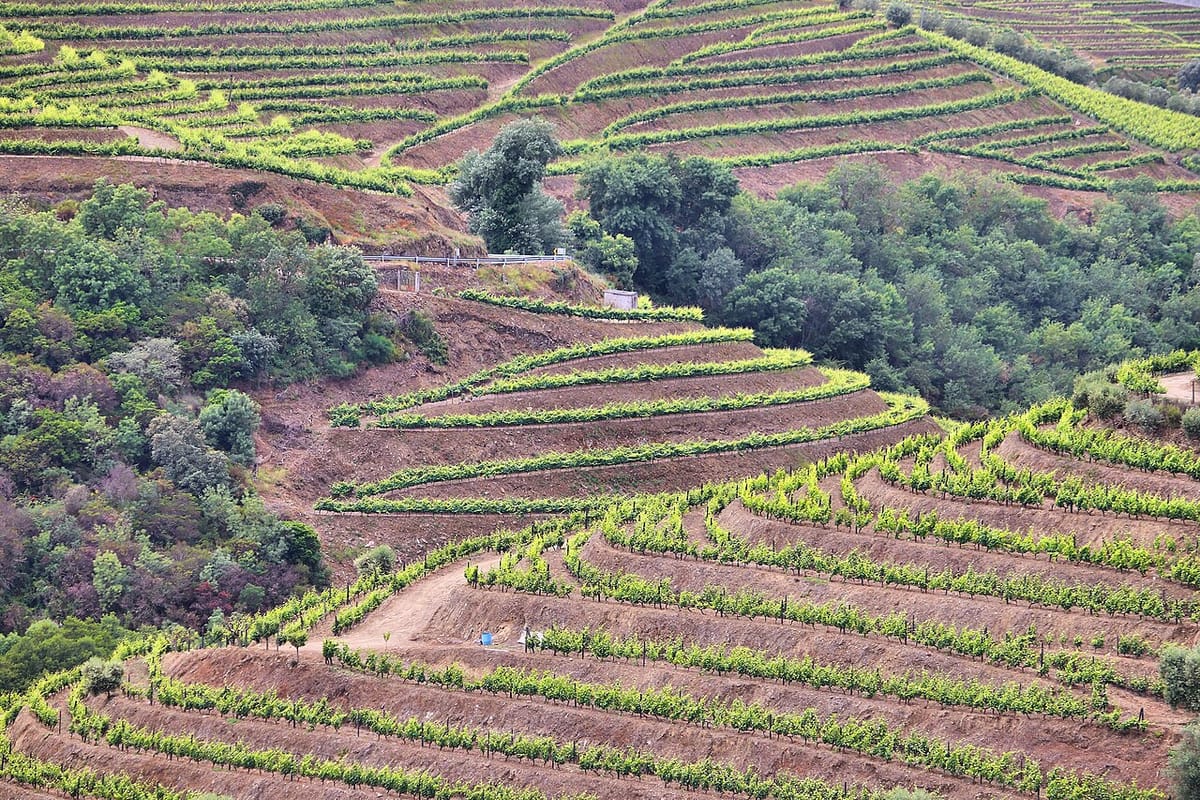
For a country that remains among the world’s heaviest per-capita wine drinkers, rising domestic demand is welcome news for restaurants, retailers and the smaller producers who sell close to home. But Portugal is also a serious exporter — of Port, Douro reds, Vinho Verde and Alentejo wines — and a global glut that drags down prices and export values squeezes the margins of estates that depend on foreign buyers. Douro stocks have already been running high in recent vintages, a warning that even a healthy home market cannot fully offset a soft world one.
What this means for residents
- Shoppers: a global oversupply and falling export prices point to competitive shelf prices at home; good mid-range Portuguese wine should stay a bargain relative to European peers.
- The wine economy: tourism and domestic demand are cushioning Portuguese producers, but export-reliant estates in the Douro and Alentejo face thinner margins if the surplus persists.
- Rural regions: prolonged oversupply tends to accelerate consolidation and vine pull-up schemes across the EU — a slow-burning risk for Portugal’s wine-growing interior.
Portugal’s contrarian thirst is a bright spot in a shrinking global market, but it also sharpens a strategic question for the sector: whether to lean into a loyal home audience or fight harder for export share in a world that, for now, is steadily pouring less. It is the same cost-of-living calculus that recently nudged Portugal’s essential-food basket lower — consumers stretching every euro, one bottle at a time.