Fourteen of 32 Family-Medicine Training Places in Trás-os-Montes Draw No Takers, and the Alentejo Coast Fills None of Its Own
The northern doctors' union says 14 of 32 family-medicine training places at the Vila Real, Chaves and Lamego health unit went unfilled, against 27.6 percent nationally. ACSS data show Alentejo and Bragança did worse. How to check your SNS registration.
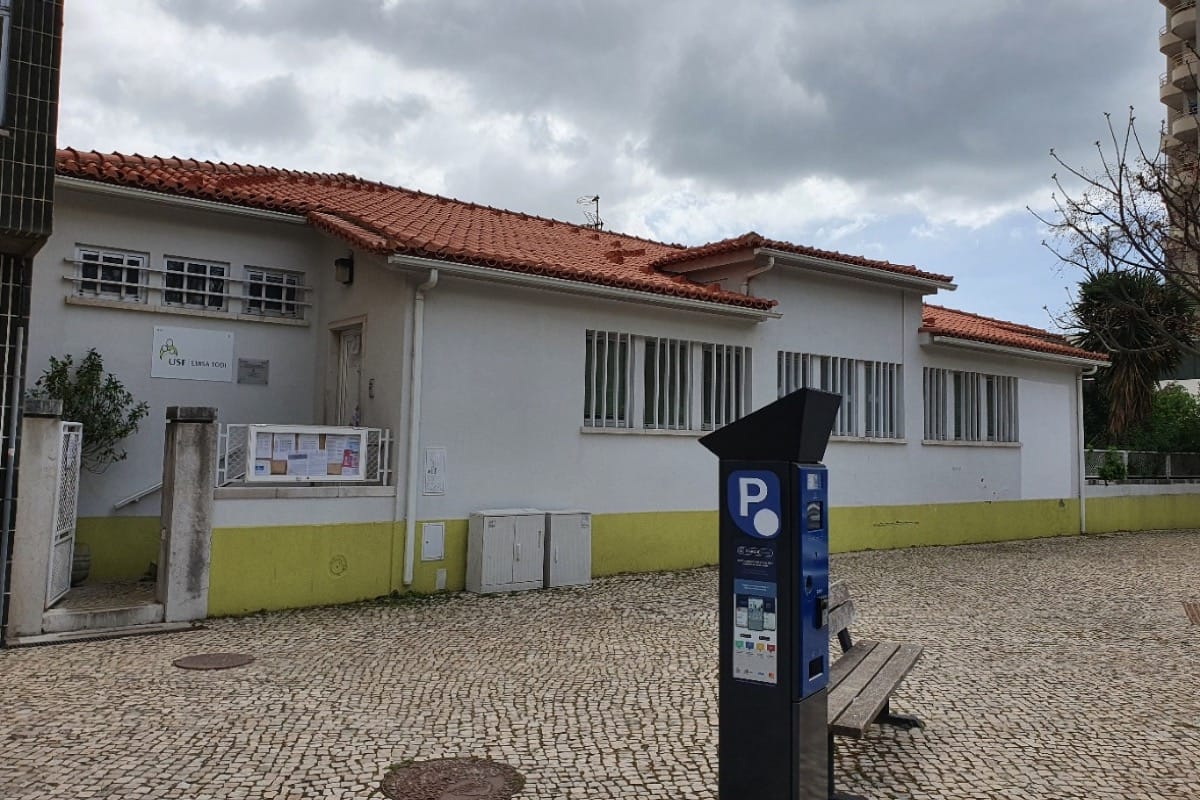
Fourteen of the 32 family-medicine training places offered this autumn by the health unit that serves Vila Real, Chaves and Lamego were left empty, the Sindicato dos Médicos do Norte (SMN, the northern doctors' union) said on Thursday. That is 43.8 percent, against 27.6 percent nationally, and the union warns that the interior of the north risks losing family doctors to retirement with no one trained to replace them.
The figures come from this year's internato médico (the national contest in which newly qualified doctors pick a specialty and a training post), which closed on 10 November. In six of the 17 health units in the Trás-os-Montes e Alto Douro area that offered places, nobody chose one, according to the SMN's statement, which Lusa reported via Notícias ao Minuto.
What the councils are doing
The union met four councils in the area between July and November. It says:
- São João da Pesqueira spends about 110,000 euros a year on housing and transport to keep doctors.
- Montalegre expects two doctors to leave despite council support, and neither of its two training places was taken.
- Sabrosa formally has a family doctor for every patient, but the union reports repeatedly postponed appointments and spells with no doctor at the unit.
- Mesão Frio helps medical students with housing to draw them to the area.
The SMN says it asked the board of the Unidade Local de Saúde (ULS, the local health unit) of Trás-os-Montes e Alto Douro for a meeting and has had no reply. It also says the 2027 State Budget does nothing for these communities. The ULS runs the hospitals of Vila Real, Chaves and Lamego and 23 health centres across 21 municipalities.
The national picture is uneven
The health ministry's administrative agency, ACSS, published provisional results on 12 November (Comunicado 16). Nationally, 489 of 675 family-medicine places were filled (72 percent), up from 461 of 690 in 2025. Across all specialties, 1,912 of 2,338 places were taken.
Trás-os-Montes is in fact doing better than last year, when it filled only 9 of 31 family-medicine places. Other regions fared worse this time. ACSS's breakdown shows the Litoral Alentejano unit filled none, the Nordeste unit (Bragança district) 11 percent, Alto Alentejo 17 percent, Alentejo Central 20 percent, Oeste 31 percent, Lezíria and Baixo Alentejo 33 percent each, and Amadora/Sintra 38 percent. The results are provisional until the complaints period ends and the final list is published.
For now, coverage in the north-east is far above the national average. SNS Transparency Portal data for September show 7,267 of the 257,887 patients eligible for a family doctor in the Trás-os-Montes e Alto Douro unit without one (2.8 percent), against 12.9 percent nationally. In the Bragança district almost everyone now has a family doctor, but with few new trainees the question is who replaces the doctors who retire.
What it means for you
Whether you can be given a family doctor depends on your record in the national patient register. Since 29 October, the SNS 24 app and portal show which type of record you hold, ACSS says. If it reads registo em curso (registration in progress) or registo incompleto (incomplete), take your documents to any SNS health centre or hospital to update it. It is worth checking: nationally, 44.8 percent of eligible foreign nationals had no family doctor in September, against 9.3 percent of Portuguese nationals.
Family medicine was again among the specialties top-ranked candidates passed over this year, as we reported on 8 November.