Five Years After EDP Sold Six Douro Dams, a €335 Million Tax Bill Comes Due — and Trás-os-Montes Councils Are Still Waiting for Their Share
The €335.2 million tax dispute over EDP's 2020 sale of six Douro dams to an Engie-led consortium is live again: €99.6m in IMT, €120.9m in stamp duty and €114.67m in corporate tax. Prosecutors forced the Tax Authority to collect, and interior councils are owed more than €3 million in property tax on
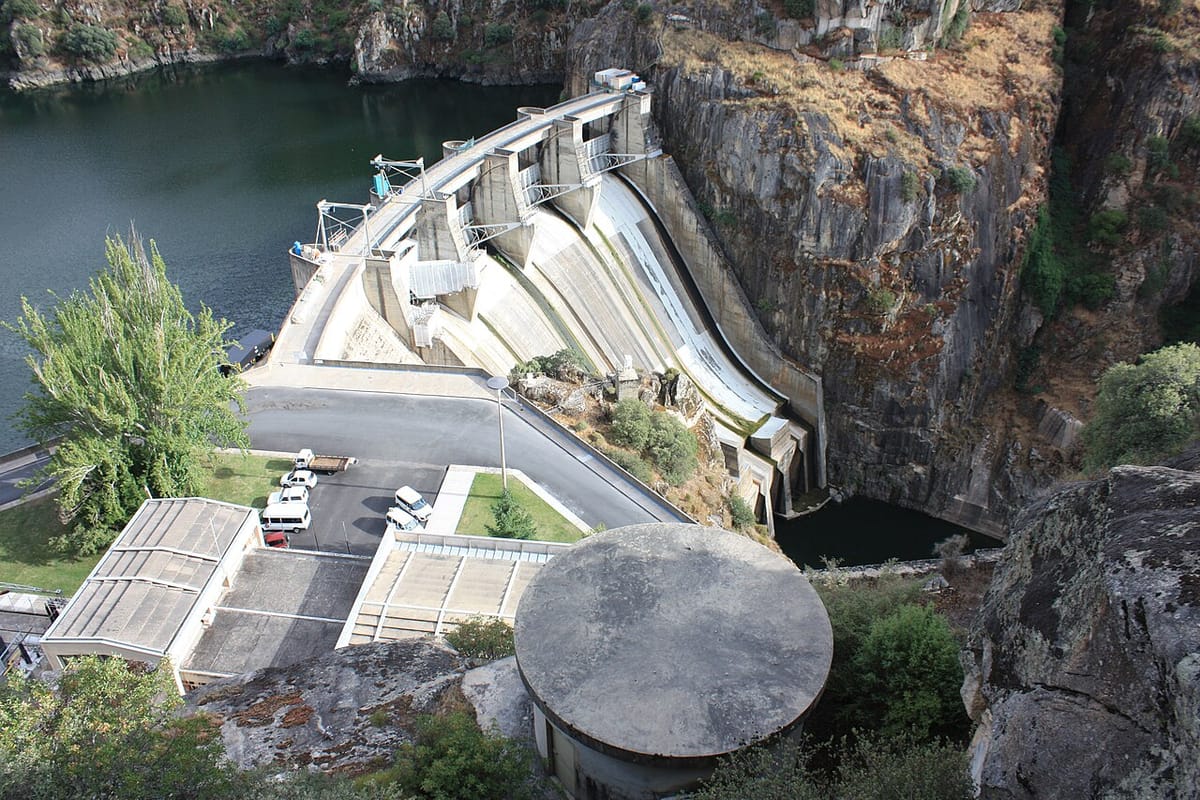
Five years after EDP sold six hydroelectric dams on the Douro and its tributaries in one of the largest energy deals in Portuguese history, the tax bill it tried to avoid is finally coming due — and the small councils of Trás-os-Montes are still waiting to see their share. The dispute, worth an estimated €335.2 million, resurfaced this week as a live economic story, and it is one of the more revealing sagas in recent Portuguese public finance.
The deal that started it all
In 2020, EDP (Energias de Portugal) sold six dams — Miranda do Douro, Picote, Bemposta, Baixo Sabor, Feiticeiro and Foz Tua — to an international consortium led by the French utility Engie, alongside investors including Crédit Agricole Assurances and Mirova, in an operation valued at roughly €2.2 billion. The assets were parcelled into a company called Camirengia, later merged and rebranded as Movhera, the vehicle that now operates the dams.
The structure of the sale — a spin-off followed by a share transfer — was designed to be tax-efficient. EDP argued the transaction was a neutral corporate reorganisation that did not trigger the usual property-transfer taxes. The Autoridade Tributária (Tax Authority, or AT) initially went along with that reading. Local mayors, environmental groups and, eventually, prosecutors did not.
How the €335 million breaks down
- IMT (property-transfer tax) — €99.6 million: On the transfer of the hydroelectric assets, which the state now argues should be taxed like any other transfer of real property.
- Imposto do Selo (stamp duty) — €120.9 million: Covering both the real estate and the concessions moved out of EDP Gestão de Produção into Camirengia during the spin-off.
- IRC (corporate income tax) — €114.67 million: On the capital gain EDP booked when it sold the Camirengia shares to the Engie-led consortium.
The turning point came when the Ministério Público (Public Prosecutor's Office) intervened to force the Tax Authority to pursue the money, and a European court ruling earlier this year strengthened the case for collecting the IMT. The AT's director-general, Helena Borges, has since told Parliament that inspections tied to the deal are under way and that the assessments should advance within the year.
What the councils are owed
For the municipalities of the interior — among them Miranda do Douro, Mogadouro, Torre de Moncorvo and Carrazeda de Ansiães — this is not an abstract fiscal argument. They are in line to receive more than €3 million in IMI (Municipal Property Tax) on the power stations sitting within their boundaries, money that matters enormously to thinly populated, low-revenue councils. Ten Transmontano municipalities have jointly pressed the Tax Authority to explain what is happening with the €335.2 million and when any of it will actually be paid.
What This Means for Expats
- How Portugal taxes big deals: The saga is a case study in the state's growing willingness to challenge tax-efficient corporate structures after the fact — relevant background for anyone weighing large property or business transactions here.
- Local finances: If you live in Portugal's interior, this is a reminder of how dependent rural councils are on a handful of large taxpayers, and how long disputed revenue can take to arrive.
- The energy angle: The dams remain strategic national infrastructure, now under foreign ownership — a thread that runs through wider debates about who owns Portuguese assets, from utilities to the €2.4 billion Norway's sovereign wealth fund holds in the country.
Half a decade on, the Douro dams keep generating power — and, it turns out, one of the most stubborn tax fights the Portuguese state has picked in years.