Five Weeks of Door Knocking by the PSP Flagged 284 Older People, and 182 Were Already at Risk
The interim figures from the PSP's fourteenth annual outreach operation: 386 visits since 27 July, 284 people flagged, 182 in social risk. Lack of autonomy led the list, but the categories that grew fastest were the ones about isolation. The operation runs to 25 September.
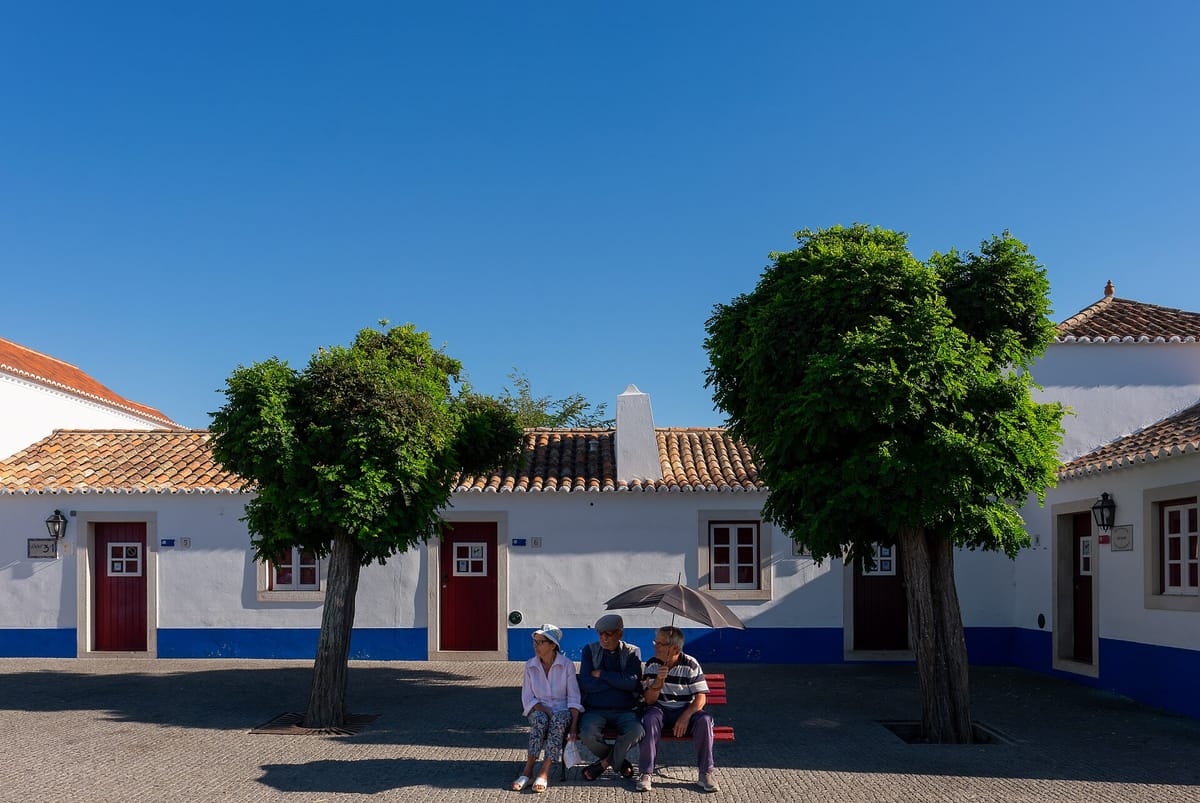
Since 27 July, officers of the Polícia de Segurança Pública (Public Security Police, or PSP) have made 386 individual preventive visits to older people around the country. Those visits produced 284 cases the force decided were worth flagging, and of those, 182 people were found to be in a situation of social risk. The interim figures were published on Tuesday, with the operation still running for another three and a half weeks.
This is the fourteenth edition of "A Solidariedade Não Tem Idade" (Solidarity Has No Age), an annual national operation the PSP has run since 2012. It covers the whole of the force's territory and closes on 25 September. The work is done mostly by the Equipas de Proximidade e Apoio à Vítima (Proximity and Victim Support Teams, or EPAV), the community-policing units whose job is to knock on doors rather than wait for calls.
What the officers found
The 284 flagged cases break down cleanly, and the categories are more revealing than the total. The most common single factor was a lack of autonomy, recorded in 77 cases. Next came 59 people the police suspect of being the repeated victims of crime, and 48 with no network of contacts at all.
Then the list turns clinical and material. Thirty-four people were flagged because they presented a serious medical condition requiring immediate follow-up. Twenty-six were living in degrading conditions. Twenty-one were in economic and financial hardship. And nineteen were in a state the PSP describes as complete social exclusion.
The force draws attention to one movement in particular. Compared with the same period last year, the categories that grew are the ones about isolation rather than poverty or crime: an absence of any contact network is up by 29 cases, and complete social exclusion by 12. The stated purpose of the operation is early detection, catching social fragility, physical or psychological vulnerability and suspected offences against personal integrity before they arrive as an emergency, and then routing the person to partner organisations that can actually respond.
The bracelet programme running alongside it
The PSP also continues to run Estou Aqui Adultos (I Am Here, Adults), launched in 2015 with the Fundação Altice for people at risk of losing their bearings in time and place, which in practice mostly means dementia. A registered adult wears a numbered bracelet; anyone who finds them disoriented can quote the number to the police, who hold the contact details.
More than 15,466 bracelets have been issued since the programme opened. About 5,680 people are wearing one now, and the PSP says the scheme has reunited 84 people with their families after they were found lost or disoriented. Registration is free and runs through the police.
A pattern the other agencies keep confirming
These numbers land in a year that has produced a steady run of similar evidence. In July the annual internal security report showed that one in seven crime victims in Portugal is now over 65, with 44,161 people in that age group targeted during 2025. In June the GNR closed nine unlicensed care homes in Lousada and rehoused eleven residents aged between 78 and 95.
The support side is under the same pressure. The Complemento Solidário para Idosos, the top-up for the poorest pensioners, reached a record 245,500 beneficiaries in August after the children's income test was dropped. And the queue for a continuing-care bed hit 3,195 people last weekend, the highest figure in the decade the health service has been publishing it. Officers who identify someone in degrading conditions or without a contact network are referring them into a system that is already full.
What this means for you
- You do not have to witness a crime to call: the operation's own categories include isolation, degrading housing and untreated illness. Any of those is a legitimate reason to contact your local PSP squad about a neighbour.
- Ask for the EPAV specifically: the Proximity and Victim Support Teams are the unit that handles this work, and asking for them by name at a police station will usually get you to the right officer faster.
- The bracelet is free and worth doing early: Estou Aqui Adultos registration runs through the PSP, and 5,680 people currently use it. It is designed for the stage before someone goes missing, not after.
- If money is the problem, check the top-up: 21 of the 284 flagged cases were economic. Our guide to the Complemento Solidário para Idosos sets out the reference value, the age threshold and the residence requirement.
- The operation is still open: it runs to 25 September, so a referral made this month still falls inside it.