EDP Renewables Lifts First-Half Power Output 4%, Driven by a Solar Surge
EDP Renováveis (EDP Renewables), the green-energy arm of Portugal's EDP (Energias de Portugal), generated 4% more electricity in the first half of 2026 than it did a year earlier, with a fast-growing solar fleet doing most of the heavy lifting. The...
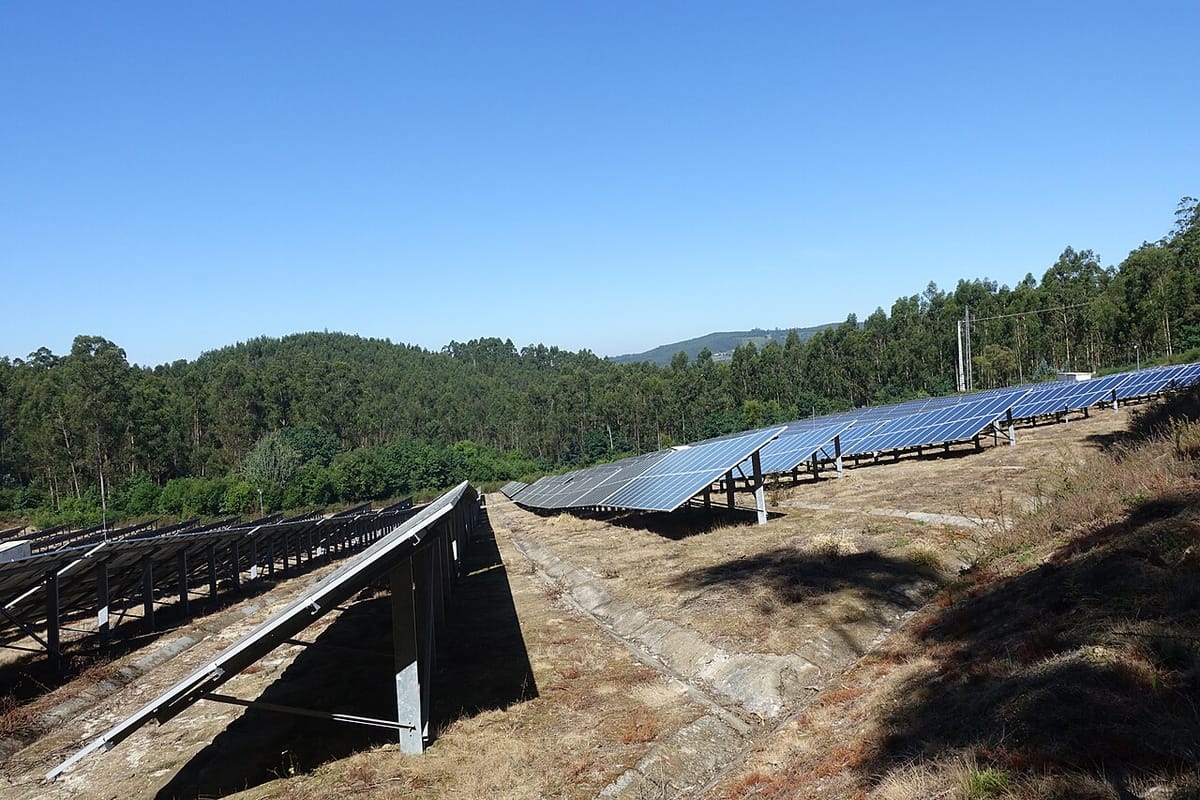
EDP Renováveis (EDP Renewables), the green-energy arm of Portugal's EDP (Energias de Portugal), generated 4% more electricity in the first half of 2026 than it did a year earlier, with a fast-growing solar fleet doing most of the heavy lifting. The company said output rose by 0.9 terawatt-hours year-on-year, a gain driven above all by newly connected solar plants.
Solar now accounts for about a quarter of everything EDPR produces — a striking shift for a company that built its name on wind — although wind still remains its single largest source of generation. The rebalancing reflects a wider industry trend: solar panels are cheaper and quicker to build than wind farms, and increasingly come paired with batteries that let operators store midday sunshine for the evening peak.
The geographic picture was uneven. North America, which supplies 62% of the group's output, grew 7% on the back of new capacity. Asia-Pacific, a smaller but expanding region, jumped 17%. Europe, at 26% of output, actually slipped 2%, as EDPR sold and "rotated" older assets faster than it added new ones, leaving net capacity on the continent down by around 0.2 gigawatts. Asset rotation — building projects, then selling stakes to recycle capital into new ones — is central to the company's strategy, but it can dent reported production in any given period.
Over the trailing twelve months, EDPR added roughly 1.8 gigawatts of gross new capacity. The mix underlines the pivot: solar made up 0.8 GW (about 46%), onshore wind 0.4 GW (24%), battery storage another 0.4 GW (23%), and offshore wind just 0.1 GW (8%). Batteries, in other words, are now being added at almost the same pace as onshore wind — a sign of how quickly storage has moved from pilot projects to a core part of the portfolio.
The production update is a curtain-raiser for EDPR's full first-half financial results, due on 29 July, which will show whether the extra output translated into stronger earnings once lower power prices and the losses on rotated assets are counted. The numbers land at a moment when renewables are dominating the domestic conversation: Portugal's grid drew 71% of its electricity from renewable sources in the first half of the year, and cheap wind and solar have helped keep Portuguese wholesale prices among the lowest in Western Europe. For EDPR, though, the growth story is now global and increasingly solar — with home-market bragging rights a smaller and smaller part of the balance sheet.